Mamdani admits he can't arrest Netanyahu after bold campaign threat
Synopsis
New York Mayor Zohran Mamdani built his campaign on a promise to arrest Benjamin Netanyahu — then admitted his city has no legal authority to do so. The episode has exposed the gap between progressive political posturing and municipal legal reality, while drawing sharp rebukes from Israel's UN envoy, President Trump, and a former NYPD officer who called the threat operationally naive.
Key Takeaways
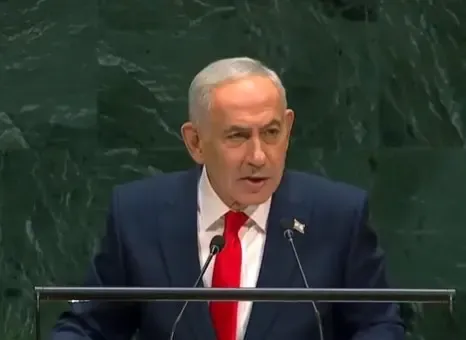
NYC Mayor Zohran Mamdani admitted on 23 July that New York City lacks the legal authority to enforce the ICC arrest warrant against Israeli PM Benjamin Netanyahu .
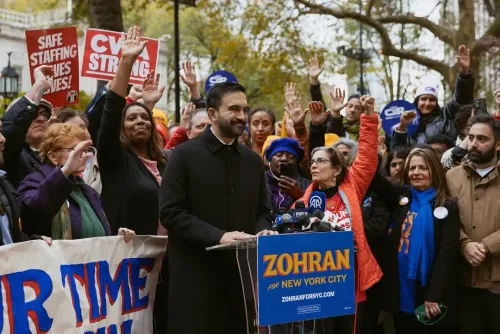
Mamdani had campaigned on the pledge to arrest Netanyahu, using it to rally Muslim and Democratic Socialist voters during last year's mayoral race.
Israel's UN Permanent Representative Danny Danon called Mamdani a 'clown' and said his remarks were 'a joke.' President Donald Trump has dismissed the threats and imposed sanctions on ICC judges and officials, freezing Prosecutor Karim Khan 's US assets.
A former NYPD officer who served on Netanyahu's security detail said city police would be 'no match' for the Israeli PM's bodyguards without deploying several platoons.
Mamdani has not publicly called for enforcement of the ICC's separate arrest warrant against Russian President Vladimir Putin .
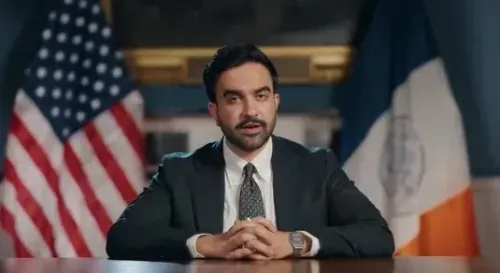
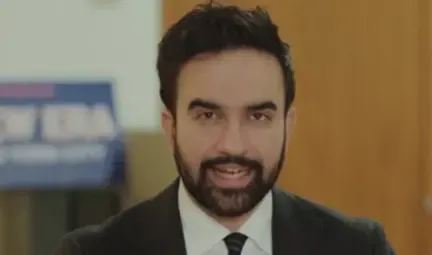
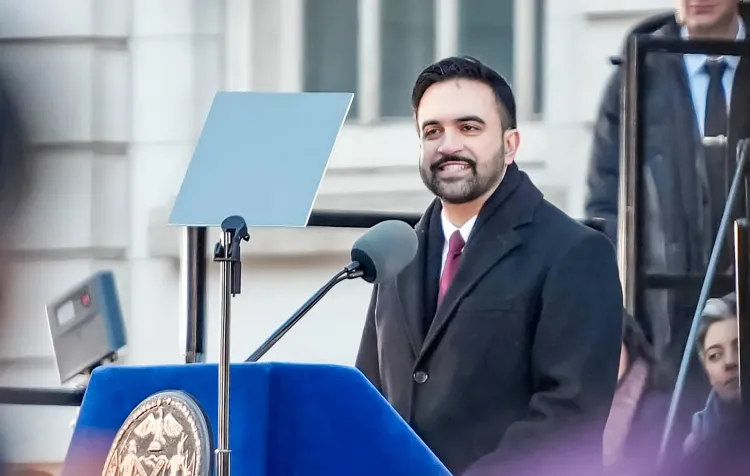
New York Mayor Zohran Mamdani has publicly acknowledged that he lacks the legal authority to arrest Israeli Prime Minister Benjamin Netanyahu — walking back a prominent campaign pledge that had energised his base of Muslim voters and left-wing Democratic Socialists during last year's mayoral race. The admission, made in a video statement on 23 July, came after Mamdani's administration reviewed every available legal avenue and found none that would allow New York City to execute the International Criminal Court (ICC) arrest warrant against Netanyahu on war crimes charges.
The Climbdown
In his video message, Mamdani declared: 'It is clear we do not have the independent legal authority to enforce this warrant.' He said his administration had examined 'every avenue available under applicable law' before arriving at that conclusion. The statement followed a recent interview with The New York Times in which Mamdani had revived the campaign promise, reigniting the controversy.
Critics noted the contradiction: Mamdani had campaigned aggressively on the pledge, using it to rally supporters, before conceding what legal experts had long pointed out — that municipal governments have no jurisdiction to enforce international criminal warrants.
International and Domestic Reactions
Israel's UN Permanent Representative Danny Danon was scathing in his response. Speaking to Fox News, Danon called Mamdani a 'clown' and described his 'baseless remarks about harassing the prime minister' as 'a joke.' Danon said the mayor should instead focus on homelessness, sanitation, and the security of New York's Jewish community, which he said was experiencing a rise in antisemitism.
President Donald Trump dismissed the threats outright, stating that Netanyahu would face no arrests. The Trump administration has taken an actively hostile posture toward the ICC, imposing sanctions on its judges and officials and accusing the court of 'illegitimate and baseless actions targeting America and our close ally Israel.' ICC Prosecutor Karim Khan's assets in the US have been frozen under Trump's orders, and several judges and officials are barred from travelling to the country.
The Federal Dimension
Mamdani, in his statement, pivoted to calling on the federal government to act, arguing that Washington 'does' have the authority to enforce the ICC warrant. 'I call on them to join the ICC and execute this warrant,' he said. However, the US is not a party to the ICC and has consistently opposed the court's jurisdiction. Secretary of State Marco Rubio launched an international campaign against the ICC last week, writing in a Wall Street Journal op-ed that the court could drag 'US soldiers, police officers, Border Patrol agents and elected leaders' before foreign judges. Rubio elaborated on X that American officials could face 'the constant risk of prosecution and even imprisonment for the so-called crime of defending their own country.'
Acting Attorney General Todd Blanche also weighed in earlier this month, writing to ICC President Judge Tomoko Akane and accusing the court of acting 'in an increasingly lawless and illegitimate manner,' citing 'selective enforcement and credible allegations of internal misconduct.'
Security Reality on the Ground
A former New York Police Department officer who was assigned to Netanyahu's security detail during a previous visit to the city offered a blunt assessment of the practical impossibility of any attempted arrest. He noted that Netanyahu travels with a team of bodyguards widely regarded as among the most formidable in the world, and that city police would be 'no match' for them without deploying several platoons prepared for a confrontation. Any such attempt would also have to contend with a layer of federal Secret Service protection, he added.
The Selective Outrage Question
Observers have noted that the ICC has also issued an arrest warrant for Russian President Vladimir Putin on war crimes charges — a warrant that Mamdani and his left-wing supporters have not publicly campaigned to enforce. The contrast has drawn criticism that the mayor's stance reflects political calculation rather than principled support for international law.
With New York grappling with homelessness, public safety concerns, and rising antisemitism, the episode has raised questions about whether the mayor's focus on international legal theatrics serves his constituents' most pressing needs.
Point of View
Silent on Putin — undermines any claim that this is principled internationalism rather than identity-politics signalling. For a mayor presiding over a city with genuine crises in housing, public safety, and rising antisemitism, the episode raises a harder question: who, exactly, was this for?
NationPress
21 Oct 2026
Frequently Asked Questions
What did NYC Mayor Mamdani say about arresting Netanyahu?
Mayor Zohran Mamdani admitted on 23 July that New York City does not have the legal authority to enforce the ICC arrest warrant against Israeli PM Benjamin Netanyahu. He had previously campaigned on a pledge to arrest Netanyahu if he visited the city, but his administration found no applicable legal avenue to do so.
What is the ICC arrest warrant against Netanyahu for?
The International Criminal Court issued an arrest warrant against Israeli Prime Minister Benjamin Netanyahu on war crimes charges. The ICC has similarly issued a warrant for Russian President Vladimir Putin, though Mamdani and his supporters have not campaigned to enforce that warrant.
How has the Trump administration responded to the ICC and Mamdani's threats?
President Donald Trump dismissed Mamdani's threats outright, stating Netanyahu would not face arrest. The Trump administration has imposed sanctions on ICC judges and officials, frozen Prosecutor Karim Khan's US assets, and barred several ICC officials from travelling to the US, accusing the court of targeting America and its allies.
Why did Israel's UN envoy criticise Mamdani?
Israel's UN Permanent Representative Danny Danon called Mamdani a 'clown' and described his remarks as 'a joke,' saying the mayor should focus instead on homelessness, sanitation, and the security of New York's Jewish community amid rising antisemitism.
Could New York City practically arrest a sitting Israeli prime minister?
No. A former NYPD officer who served on Netanyahu's security detail said city police would be no match for the Israeli PM's internationally regarded bodyguard team without deploying several platoons prepared for a confrontation. Any attempt would also face a layer of federal Secret Service protection.