Why Were Over 5700 Afghan Refugees Repatriated from Iran and Pakistan in One Day?
Synopsis
In a significant and alarming move, over 5,700 Afghan refugees were repatriated in just one day from Iran and Pakistan. This action raises pressing questions about the humanitarian implications for those affected and the political dynamics in the region.
Key Takeaways
More than 5,700 Afghan refugees were forcibly repatriated in one day.
The repatriation involved 1,084 families .
Telecommunications support was provided to refugees returning to Afghanistan.
UNHCR reported a significant rise in detentions of Afghan migrants in Pakistan.
Humanitarian organizations stress the importance of voluntary returns.
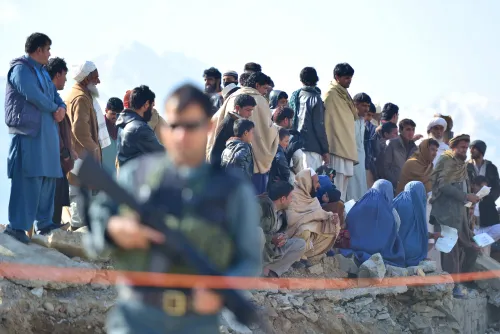
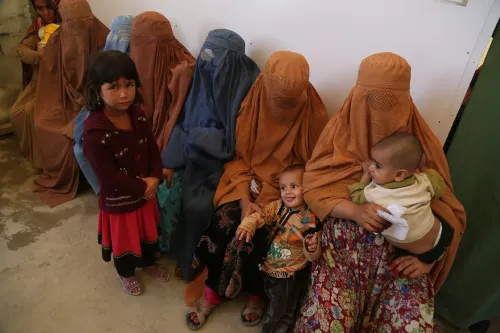
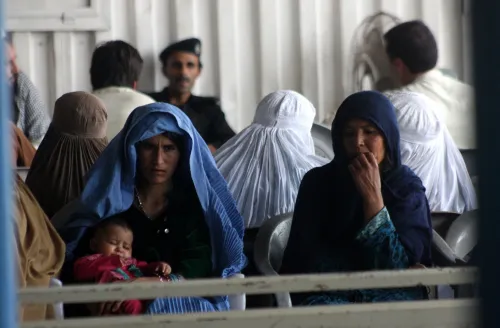
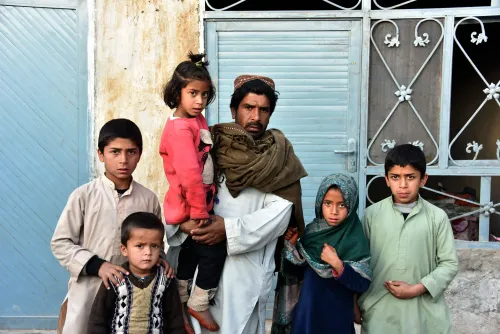
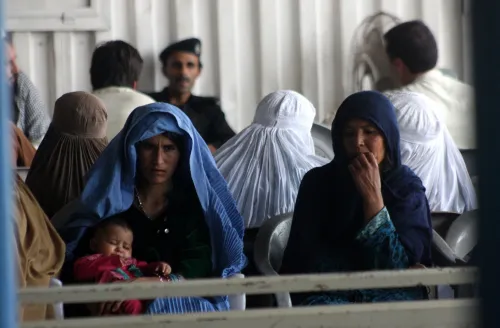
Kabul, Dec 19 (NationPress) In a startling development, more than 5,700 Afghan refugees were forcibly sent back from Pakistan and Iran in a single day, according to a senior official from the Taliban.
Taliban Deputy Spokesperson Mullah Hamdullah Fitrat shared insights from the report by the High Commission for Addressing Migrants’ Issues on X. He noted that on Thursday, 1,084 families, totaling 5,780 individuals, returned to Afghanistan, as reported by Pajhwok Afghan News.
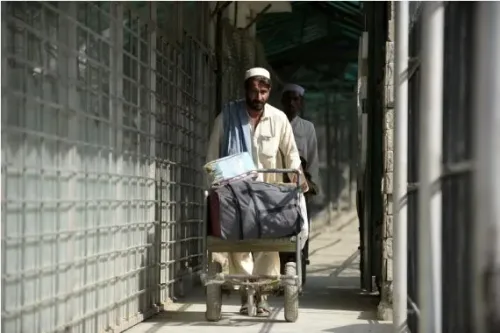
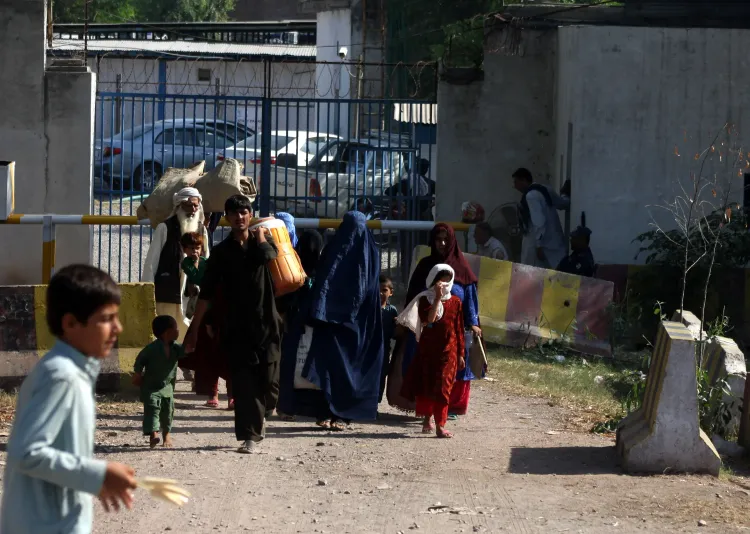
These Afghan returnees made their way back through various crossings including Islam Qala in Herat, Bahramcha in Helmand, Torkham in Nangarhar, Pul-i-Abresham in Nimroz, and Spin Boldak in Kandahar. Fitrat mentioned that 1,178 families, which included 6,561 people, were escorted to their homes, while 974 families received humanitarian aid.
Additionally, telecommunications companies provided 1,019 SIM cards to the recently returned refugees. Fitrat disclosed that a total of 4,591 Afghan refugees were forcibly deported from both Iran and Pakistan on that day.
In a previous report from November, the United Nations High Commissioner for Refugees (UNHCR) highlighted that Pakistan had recorded a significant number of Afghan migrants detained in 2025, predominantly in Balochistan and Punjab provinces.
A recent UNHCR report indicated that the majority of arrests occurred in the Chagai and Quetta districts of Balochistan and Attock district of Punjab, according to Khaama Press, a leading news agency in Afghanistan. Pakistani authorities apprehended 100,971 Afghans from January 1 to mid-November 2025, a dramatic increase compared to around 9,000 arrests in 2024 and over 26,000 in 2023.
The UNHCR reported that 76% of those detained were either holders of Afghan Citizen Cards or undocumented migrants, while the remaining 24% possessed Proof of Registration cards. The surge in detentions followed two government orders in 2025 that aimed at the expulsion of Afghan migrants from Islamabad and Rawalpindi, permitting police to arrest those with PoR cards.
Numerous humanitarian organizations have called on Pakistan to ensure that returns are voluntary and in line with international obligations, expressing concerns that mass expulsions could lead to instability along the Afghan border, where returning families often face challenges such as lack of housing, jobs, and essential services.
Point of View
It's essential to approach this situation with empathy and an unbiased lens. The forced repatriation of Afghan refugees raises vital questions about humanitarian needs and international obligations, reminding us of the complex realities faced by migrants.
NationPress
7 Oct 2026
Frequently Asked Questions
Why are Afghan refugees being repatriated?
Afghan refugees are being repatriated forcibly due to government directives in Pakistan and Iran, aiming to address illegal migration and security concerns.
How many refugees returned in the recent repatriation?
In the recent repatriation, over 5,700 Afghan refugees returned in a single day, according to Taliban officials.
What support is being provided to returning refugees?
Returning refugees have received humanitarian assistance, including basic services and SIM cards to facilitate communication.
What do humanitarian organizations say about this situation?
Humanitarian organizations emphasize the need for voluntary returns and adherence to international obligations, warning against the potential instability caused by mass expulsions.
What has the UNHCR reported regarding Afghan migrants?
The UNHCR reported a significant increase in the detentions of Afghan migrants in Pakistan, highlighting the pressing need for better management of refugee situations.