Meghalaya HC quashes POCSO case as accused, survivor married with child
Synopsis
The Meghalaya High Court has quashed a POCSO case after finding the accused and survivor had married, were living together, and were raising a four-year-old daughter. The ruling, grounded in the court's own precedent on adolescent relationships, also directs authorities to support the woman's education and welfare within eight weeks — a rare judicial step that goes beyond the quashing order itself.
Key Takeaways
The Meghalaya High Court quashed a POCSO Act case against a 27-year-old man on 30 July 2025 .
The FIR was originally filed at Ri-Bhoi Women Police Station in 2021 when the survivor was a minor and pregnant.
The couple married before the Marriage Registrar at Nongpoh in March 2025 and are raising a four-year-old daughter .
The court cited its earlier ruling in Shalenbor Wahtang vs State of Meghalaya , recognising exceptional circumstances in consensual adolescent relationships.
Authorities have been directed to facilitate the survivor's higher education or vocational training within eight weeks .
Child rights advocates argue such quashings risk setting precedents that could pressure survivors into withdrawing complaints.
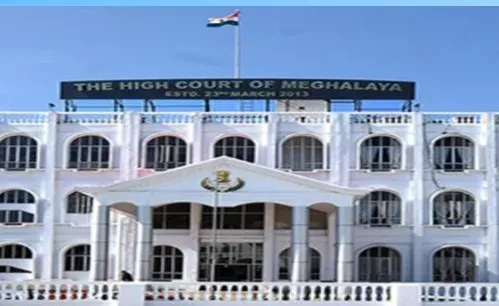
The Meghalaya High Court has quashed criminal proceedings under the Protection of Children from Sexual Offences (POCSO) Act against a 27-year-old man, after taking into account that he had married the survivor, the couple had been living together for several years, and were raising their four-year-old daughter. The order was passed on Thursday, 30 July, following a joint petition filed by both the accused and the survivor.
Background of the Case
The First Information Report (FIR) was originally registered at the Ri-Bhoi Women Police Station in 2021, when the girl was a minor and pregnant. After attaining the age of majority, she chose to continue residing with the accused. The couple subsequently solemnised their marriage before the Marriage Registrar at Nongpoh in March 2025, and together filed a petition before the Special Judge (POCSO), Ri-Bhoi, seeking quashing of the FIR and the consequent proceedings.
What the Court Found
A division bench of the High Court relied on a report submitted by the Secretary of the High Court Legal Services Committee, which confirmed that the couple were living together with their daughter. The report also noted that the woman had discontinued a diploma course in Laboratory Technology due to the pending criminal case, and expressed a desire to either resume her studies, pursue a law degree, or undergo vocational training in tailoring.
The woman voluntarily stated she had no objection to the criminal proceedings against her husband being quashed, according to the report.
Legal Reasoning
The bench drew on its earlier precedent in Shalenbor Wahtang vs State of Meghalaya, which recognised that consensual adolescent relationships are not uncommon in the state and that courts must weigh exceptional circumstances in such matters. The court observed that while offences under the POCSO Act are treated as crimes against society, judicial decisions cannot be entirely detached from social realities.
Notably, the bench held that where a couple are legally married or living together with children, imprisoning the husband could adversely affect not only the survivor but also the welfare of the child. Holding that every case must be assessed on its individual facts, the court ruled that continuing the trial would serve no useful purpose.
Directions to Authorities
Beyond quashing the FIR and pending proceedings, the High Court directed authorities to ensure the woman and her daughter receive benefits under applicable Central and state welfare schemes. The court further instructed the District Legal Services Authority and the District Child Protection Officer in Ri-Bhoi to facilitate her higher education or vocational training within eight weeks.
Significance and Broader Context
The ruling underscores a recurring tension in Indian courts between the strict letter of child protection law and the lived realities of families that have formed in the years since an FIR was filed. Critics argue that such quashings, however fact-specific, risk setting a precedent that could be misused to pressure survivors into withdrawing complaints. Child rights advocates have consistently maintained that POCSO proceedings should not be extinguished solely on the basis of subsequent marriage. The court's explicit welfare directions — including education and vocational support for the survivor — appear designed to address at least part of that concern.
Point of View
But it sits uncomfortably within the broader architecture of POCSO, which was designed precisely to remove the pressure on minors to 'settle' such cases through marriage. The court's welfare directions — education support, vocational training, scheme benefits — are a meaningful but insufficient safeguard. What is missing is any independent assessment of whether the survivor's stated consent to quashing was entirely free from coercion, a gap that child rights bodies have flagged repeatedly in similar cases across Indian high courts. The ruling will likely be cited in future petitions, making the court's insistence on 'individual facts' more important than it might appear on the surface.
NationPress
14 Sept 2026
Frequently Asked Questions
Why did the Meghalaya High Court quash the POCSO case?
The court quashed the case after finding that the accused had married the survivor, the couple had been living together for several years, and they were raising a four-year-old daughter. It held that continuing the trial would serve no useful purpose given these circumstances.
When was the original FIR filed and why?
The FIR was registered at the Ri-Bhoi Women Police Station in 2021, when the survivor was a minor and pregnant. The case was filed under the POCSO Act against the 27-year-old man.
What legal precedent did the court rely on?
The bench relied on its earlier judgment in Shalenbor Wahtang vs State of Meghalaya, which recognised that consensual adolescent relationships are not uncommon in the state and that courts must consider exceptional circumstances in such matters.
What welfare directions did the court issue?
The High Court directed authorities to ensure the woman and her daughter receive benefits under applicable Central and state welfare schemes. It also instructed the District Legal Services Authority and the District Child Protection Officer in Ri-Bhoi to facilitate her higher education or vocational training within eight weeks.
What are the concerns raised about such rulings?
Child rights advocates argue that quashing POCSO cases on the basis of subsequent marriage risks setting a precedent that could be misused to pressure survivors into withdrawing complaints. Critics maintain that the POCSO framework was designed to protect minors from exactly such social pressures.