West Bengal drafts SOP for underage pregnancy cases under new POCSO push
Synopsis
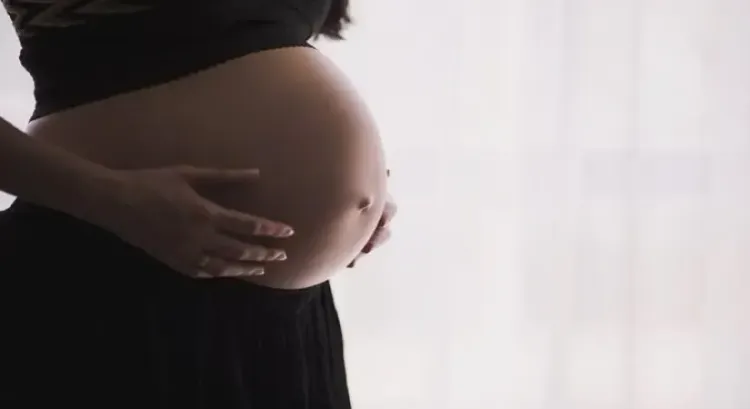
West Bengal is pairing a legal crackdown — prosecuting husbands of underage mothers under POCSO — with a medical response: a nine-member expert panel drafting an SOP to protect pregnant girls under 18. Health Minister Mukhopadhyay has flagged that underage pregnancy carries a real risk of maternal death, making this a rare convergence of law enforcement and public health in the fight against child marriage.
Key Takeaways
The West Bengal Health Department is drafting an SOP for managing pregnancies among girls below 18 , including married minors.
A nine-member expert committee — comprising community medicine specialists, obstetricians, and gynaecologists — has been constituted to frame the SOP.
The committee's first meeting is scheduled for 18 September .
Chief Minister Suvendu Adhikari announced that husbands of underage mothers will be prosecuted under the POCSO Act , with the state filing suo motu cases.
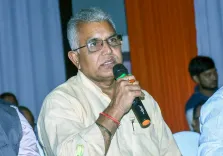
Health Minister Dr Saradwat Mukhopadhyay noted that the incidence of underage pregnancy is 'very high' in West Bengal, with significant risk of maternal death.
The SOP will cover maternal risk identification, antenatal care, anaemia and malnutrition management, referral protocols, safe delivery, and post-delivery monitoring.
The West Bengal Health Department is preparing a standard operating procedure (SOP) to govern the medical management of girls below the age of 18 who become pregnant — including those who are married — amid a broader state crackdown on child marriage. The move follows a directive from Chief Minister Suvendu Adhikari that husbands of girls who become mothers before turning 18 will face prosecution under the Protection of Children from Sexual Offences (POCSO) Act, with the state government initiating suo motu cases.
Expert Committee Constituted
A nine-member expert committee has already been constituted to frame the SOP. The panel includes Debashis Das, head of the Community Medicine Department at Calcutta Medical College and Hospital, along with five obstetricians and gynaecologists: Dr Sanjay Bhattacharya of Uluberia Medical College and Hospital, Dr Saurabh Chatterjee of NRS Medical College and Hospital, Dr Tulika Jha of Raiganj Medical College and Hospital, Dr Shelly Seth of Rampurhat Medical College and Hospital, and Dr Bhaskar Pal of Apollo Hospital.
The committee also includes three Health Department representatives: Deputy Director for Maternal Health Shyamoli Rudra, Family Planning Officer Shaswati Nag, and East Medinipur district Public Health and Nursing Officer Seema Maiti. The first meeting of the committee is scheduled for 18 September.
Why the SOP Is Urgently Needed
According to Health Minister Dr Saradwat Mukhopadhyay, himself a medical practitioner, the incidence of pregnancy among girls below the age of 18 is 'very high' in West Bengal. He has underscored the acute medical risk involved: 'If a minor girl gets pregnant before the age of 18, there is a high possibility that the minor girl might die during pregnancy. Hence, there is a necessity to have an SOP on how such cases will be handled.'
This comes amid persistent data showing that West Bengal has one of the higher rates of child marriage among Indian states, making adolescent maternal mortality a public health concern that goes well beyond individual cases.
What the SOP Is Expected to Cover
The proposed SOP is learnt to include protocols on identification of maternal risks, regular antenatal check-ups, management of anaemia and malnutrition, referral to higher medical centres where necessary, safe delivery, and post-delivery monitoring of both mother and child. A Health Department official indicated that the SOP will specifically mandate that the adolescent be referred to a gynaecologist and obstetrician as soon as pregnancy is confirmed, bringing her immediately under antenatal care.
Legal Backdrop: POCSO and Suo Motu Cases
The health protocol is paired with a legal intervention. Chief Minister Adhikari's announcement that the state will file suo motu POCSO cases against husbands of underage mothers signals a shift from reactive prosecution to proactive enforcement. Under the POCSO Act, sexual activity with a minor — irrespective of marital status — constitutes an offence, a legal position that courts have progressively reinforced. Critics, however, have noted that effective enforcement will depend heavily on local police and healthcare workers reporting cases without fear or favour.
What Comes Next
The expert committee's first sitting on 18 September will set the timeline for finalising the SOP. Once adopted, the protocol will be binding on government hospitals and health centres across West Bengal. The dual approach — a medical SOP paired with POCSO enforcement — could serve as a model for other high-prevalence states, though implementation at the grassroots level remains the critical test.
Point of View
But the harder challenge is detection, not protocol. In communities where child marriage is normalised, healthcare workers and police are unlikely to report cases that families actively conceal. The SOP will only matter if frontline workers are trained, protected, and incentivised to act on it. West Bengal's track record on child marriage enforcement at the district level has been patchy, and a committee meeting in Kolkata is a long distance from a village health sub-centre in Murshidabad or Malda.
NationPress
13 Sept 2026
Frequently Asked Questions
Why is the West Bengal Health Department preparing an SOP for underage pregnancies?
The West Bengal Health Department is drafting the SOP because underage pregnancy — in girls below 18 — carries serious health risks, including a significantly elevated risk of maternal death, according to Health Minister Dr Saradwat Mukhopadhyay. The initiative accompanies a legal crackdown under which husbands of underage mothers will be prosecuted under the POCSO Act.
Who is on the expert committee framing the SOP?
The nine-member committee includes Debashis Das from Calcutta Medical College and Hospital, five obstetricians and gynaecologists from hospitals across West Bengal, and three Health Department officials — Deputy Director for Maternal Health Shyamoli Rudra, Family Planning Officer Shaswati Nag, and East Medinipur PHNO Seema Maiti.
What will the SOP include?
The SOP is expected to cover identification of maternal risks, regular antenatal check-ups, management of anaemia and malnutrition, referral to higher medical centres, safe delivery, and post-delivery monitoring of mother and child. It will also mandate immediate referral to a gynaecologist upon confirmation of pregnancy.
What is the POCSO angle in this case?
Chief Minister Suvendu Adhikari announced that husbands of girls who become mothers before turning 18 will be prosecuted under the POCSO Act, with the state government filing suo motu cases. Under POCSO, sexual activity with a minor is an offence regardless of marital status.
When will the expert committee meet for the first time?
The first meeting of the nine-member expert committee is scheduled for 18 September 2026, after which it will work towards finalising the SOP for adoption across West Bengal's government health facilities.