Is Mobocracy Taking Over Democracy in West Bengal?
Synopsis
Tensions escalate in West Bengal as Solicitor General Tushar Mehta claims mobocracy is supplanting democracy during an ED raid. The Supreme Court is urged to take action against police interference as political figures clash over the legality of the search operations.
Key Takeaways
Mobocracy is being equated with the undermining of democracy.
Obstruction of law enforcement agencies raises legal and ethical concerns.
Judicial intervention may be necessary to uphold justice.
Political figures should not interfere with legal operations.
The integrity of investigations must be protected from public interference.
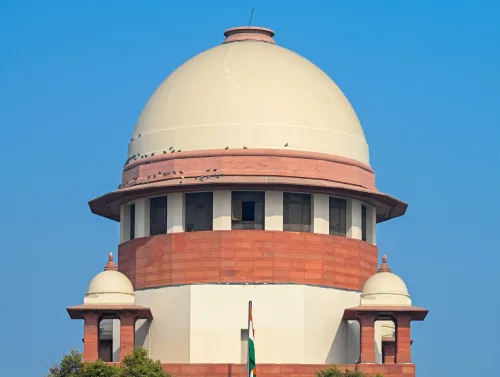
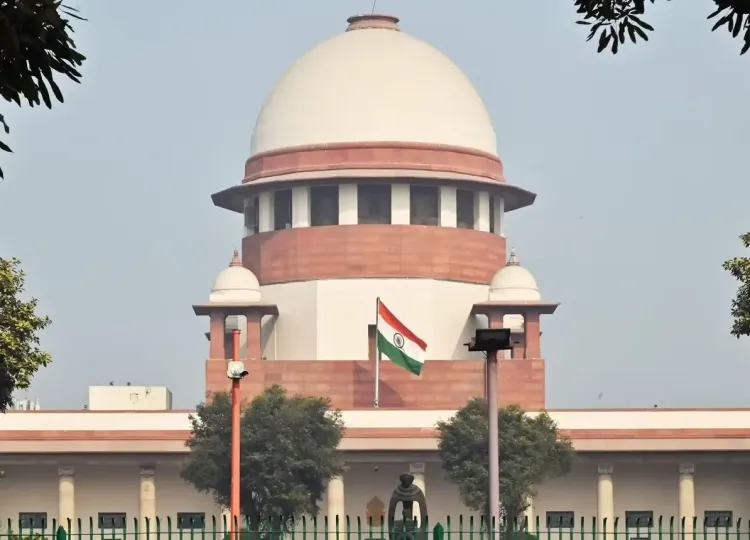
New Delhi, Jan 15 (NationPress) Solicitor General (SG) Tushar Mehta highlighted a troubling incident during a recent Enforcement Directorate (ED) raid in West Bengal, asserting before the Supreme Court that it represented “a scenario where mobocracy is overtaking democracy”.
While representing the ED, SG Mehta, the second-highest legal authority, informed a Bench comprising Justices Prashant Kumar Mishra and Vipul M. Pancholi that the agency faced serious challenges in fulfilling its legal obligations due to intimidation, disruption, and displays of force.
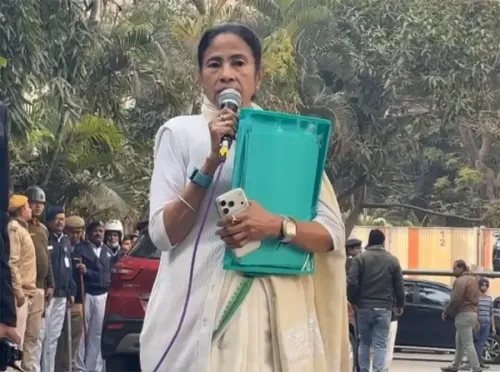
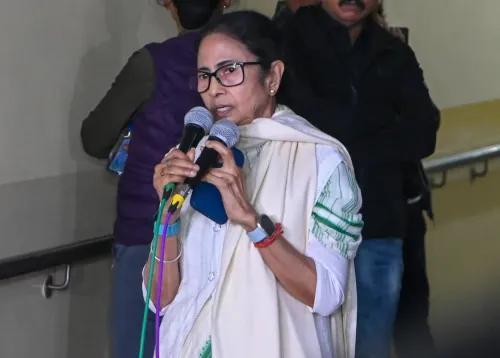
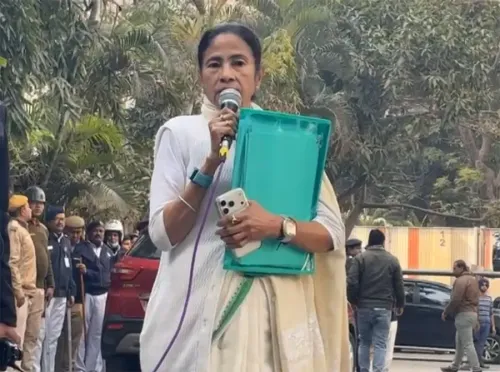
During the searches executed at the office of the Indian Political Action Committee (I-PAC) and the residence of its co-founder Pratik Jain in Kolkata, the Solicitor General claimed that Chief Minister Mamata Banerjee, alongside senior police officials, intruded into the premises and obstructed the search.
“This is a case where mobocracy is replacing democracy,” he stated, alluding to prior incidents where Central agency officials were reportedly surrounded, faced stone-pelting, and had their residences attacked in West Bengal.
Mehta informed the apex court that, despite informing the local police beforehand, senior officials in West Bengal unlawfully took possession of critical evidence gathered during the operation.
He alleged that digital devices and documents were taken by force, and even an ED official's mobile phone was confiscated.
The Solicitor General emphasized that such actions constitute serious criminal offenses and have a detrimental effect on the morale of investigating officers. He argued that public interference and media comments during the operation would hinder the officers' ability to perform their duties without fear in the future.
Seeking judicial action, SG Mehta called on the Supreme Court to set a precedent and requested orders for initiating legal proceedings, including disciplinary measures against the police officials involved in the alleged obstruction.
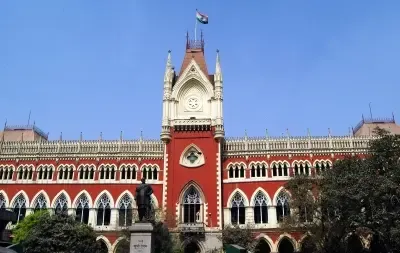
Conversely, senior advocate Abhishek Manu Singhvi, representing the West Bengal government, raised significant concerns regarding the validity of the ED's petition, alleging forum shopping. Singhvi contended that the ED had sufficient remedies available before the Calcutta High Court and that similar requests were already under consideration there.
Point of View
The situation in West Bengal highlights the ongoing struggle between law enforcement and political influence. The allegations of mob interference during legal operations raise serious questions about the integrity of democratic processes and the rule of law. It is crucial that we uphold the principles of justice and accountability in our society.
NationPress
1 Oct 2026
Frequently Asked Questions
What incident prompted the Solicitor General's remarks?
The Solicitor General's remarks were prompted by an incident where the Enforcement Directorate faced obstruction during a search operation in West Bengal.
Who was involved in the alleged obstruction of the ED's activities?
Chief Minister Mamata Banerjee and senior police officials were reportedly involved in obstructing the ED's search operations.
What actions did the Solicitor General request from the Supreme Court?
The Solicitor General requested the Supreme Court to set an example by initiating legal actions against the police officials involved in the obstruction.
What was the West Bengal government's response?
The West Bengal government, represented by senior advocate Abhishek Manu Singhvi, raised objections regarding the maintainability of the ED's petition.
What are the implications of this incident for democracy?
This incident raises significant concerns about the rule of law and the extent of political interference in legal processes, potentially undermining democratic principles.