PM Modi calls Surat's garbage 'most valuable gift' on World Environment Day
Synopsis
Modi didn't just praise Surat — he reframed what a civic gift looks like. By calling a bag of collected garbage his 'most valuable gift', the Prime Minister turned a World Environment Day visit into a pointed message on civic culture: that public participation in sanitation is a higher honour than ceremonial mementoes. With over one lakh residents behind the drive, Surat's model is now a national benchmark.
Key Takeaways
PM Narendra Modi visited Surat on 5 June for World Environment Day and praised a city-wide cleanliness campaign.
More than one lakh residents participated in a five-day cleanliness drive held ahead of his visit.
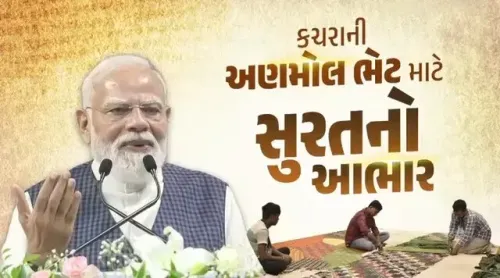
Modi called the collected waste the 'most valuable gift' he received, saying: 'Surat has gifted me garbage.' He described the initiative as 'not merely a cleanliness campaign' but 'a cultural festival for a healthy future.' Modi credited Surat's transformation since the 1990s to residents, civic authorities, and municipal workers sustaining efforts over two-and-a-half decades .
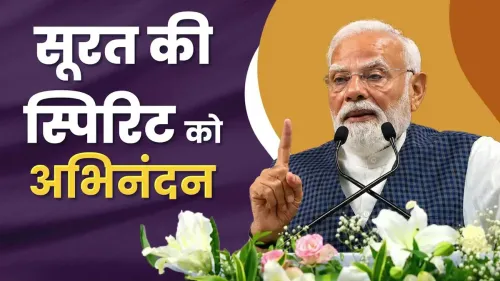
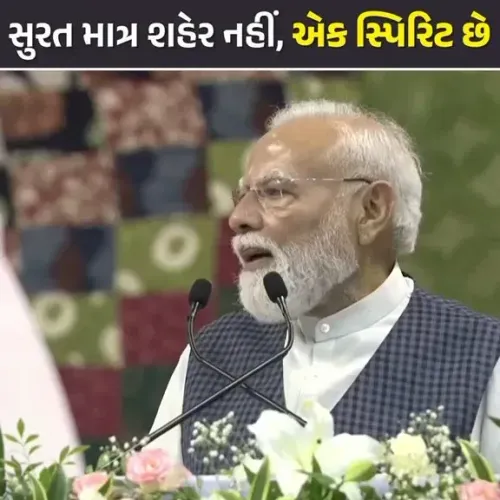
He declared: 'Surat is not a city, Surat is a spirit,' linking the drive to the city's record of winning national cleanliness awards.
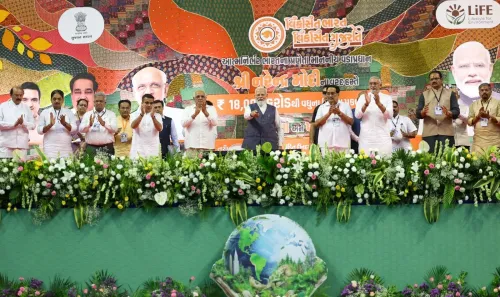
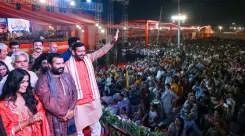
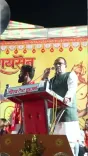
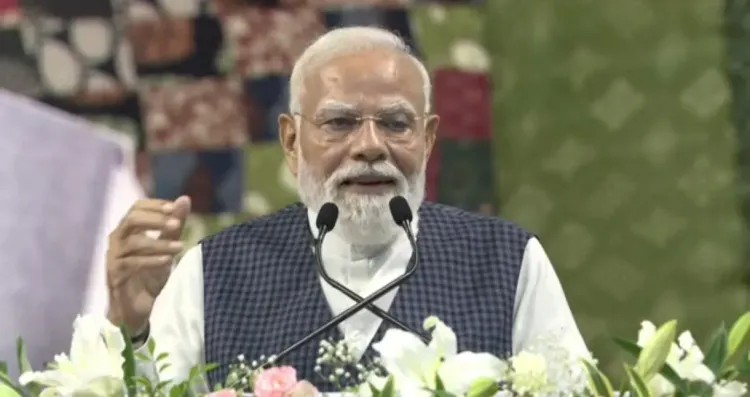
Prime Minister Narendra Modi on Friday, 5 June praised a city-wide cleanliness drive in Surat that mobilised more than one lakh residents, calling the waste collected the 'most valuable gift' he had received during his visit. Speaking at a public gathering to mark World Environment Day, Modi said the campaign had transformed a routine sanitation exercise into a civic movement reflecting the city's deep culture of community responsibility.
The Remark That Stood Out
'You welcomed me, presented various mementoes and gifts. But even more valuable than all these gifts is the priceless gift that Surat has given me. Surat has gifted me garbage,' the Prime Minister said to the gathering. He added: 'For me, this is a huge gift,' thanking all those who had participated in the initiative.
Modi noted that most people expect visiting leaders to receive ceremonial honours and expensive presents. 'People usually think that a Prime Minister should receive grand gifts during a welcome. But you are taking pride in gifting garbage,' he said, underscoring the symbolic weight of the gesture.
Five-Day Campaign, One Lakh Families
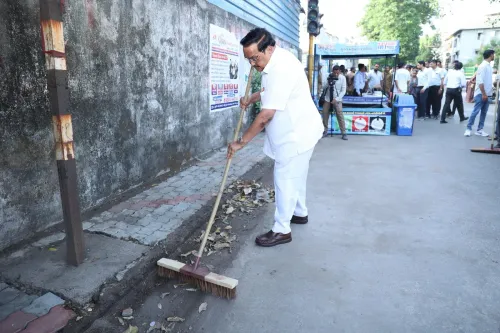
The cleanliness drive was conducted over five days ahead of the Prime Minister's visit, with more than one lakh residents reportedly taking part. Modi observed that participation at that scale effectively represented the involvement of more than one lakh families. 'This is not merely a cleanliness campaign. It is a cultural festival for a healthy future,' he said.
Surat's Cleanliness Legacy
Modi connected the drive to Surat's long-standing reputation as one of India's cleanest cities, noting that the city has repeatedly won national cleanliness awards yet continues to undertake large-scale sanitation initiatives rather than resting on its record. 'That is why I say Surat is not a city, Surat is a spirit,' he said.
The Prime Minister recalled that Surat underwent a dramatic transformation from the 1990s, when it faced severe public health challenges, crediting residents, civic authorities, elected representatives, and municipal workers for sustaining improvements over the past two-and-a-half decades.
Broader World Environment Day Message
The remarks were part of a wider address in which Modi emphasised public participation in environmental protection, waste management, and sustainable urban development. This comes amid the Centre's sustained push under the Swachh Bharat Mission to institutionalise civic cleanliness as a national habit rather than a periodic exercise. Notably, Surat's model of citizen-led sanitation is increasingly cited by urban planners as a template for other Tier-1 cities.
With civic bodies across India watching, the Prime Minister's remarks are likely to amplify pressure on other municipalities to move beyond awareness campaigns toward measurable, large-scale community action.
Point of View
But it also does political work: it ties the Swachh Bharat narrative to grassroots participation in a BJP stronghold ahead of civic cycles. What mainstream coverage underplays is that Surat's cleanliness record is genuinely exceptional — the city's turnaround from a plague-hit urban centre in 1994 to a perennial cleanliness topper is one of India's more credible municipal success stories. The risk is that the symbolism overshadows the structural question: can Surat's model — dependent on sustained civic will and a relatively affluent, engaged population — actually be replicated in India's more stressed, underresourced cities? One lakh volunteers in Surat is a headline; one lakh volunteers in Patna or Agra would be a revolution.
NationPress
21 Oct 2026
Frequently Asked Questions
What did PM Modi say about Surat's cleanliness campaign on World Environment Day?
PM Modi called the waste collected during Surat's five-day cleanliness drive his 'most valuable gift', saying 'Surat has gifted me garbage.' He made the remarks at a public gathering in Surat on 5 June, World Environment Day, praising the civic initiative as a cultural movement for a healthy future.
How many people participated in Surat's cleanliness drive?
More than one lakh residents reportedly participated in the five-day cleanliness campaign conducted ahead of PM Modi's visit. Modi noted that this scale of participation effectively represented over one lakh families.
Why is Surat considered one of India's cleanest cities?
Surat has repeatedly won national cleanliness awards and is widely recognised for its sustained civic sanitation culture. The city underwent a dramatic transformation from the 1990s, when it faced serious public health challenges, and has maintained improvements over more than two-and-a-half decades through active community and municipal engagement.
What is the significance of Modi's 'garbage as gift' remark?
The remark reframes civic participation in sanitation as a higher form of honour than ceremonial gifts. Modi used it to highlight Surat's culture of public responsibility and to reinforce the broader message of community-driven environmental action on World Environment Day.
How does Surat's campaign connect to the Swachh Bharat Mission?
Surat's large-scale, citizen-led sanitation drive aligns with the Centre's Swachh Bharat Mission, which aims to institutionalise cleanliness as a national civic habit. Modi's remarks on World Environment Day amplify that message and position Surat's model as a template for other Indian cities.