PM Modi Inaugurates Development Works in Surat, Hails City's Spirit
Synopsis
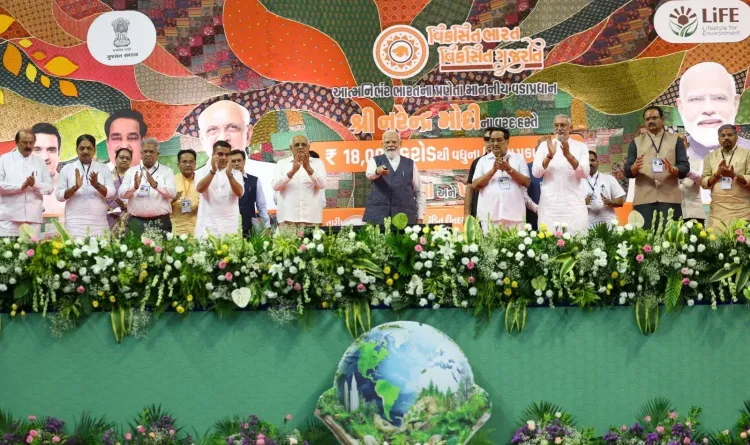
Prime Minister Narendra Modi inaugurated key development works in Surat on 5 June 2026, praising the city's transformation from the site of a devastating 1994 plague into a repeated national cleanliness champion under Swachh Bharat and Smart Cities Missions.
Key Takeaways
PM Modi visited Surat on 5 June 2026 and inaugurated key development works in the city.
He described Surat as 'more than a city — it is a spirit,' highlighting the dynamism of its residents.
Modi drew a direct contrast between the city's 1994 pneumonic plague crisis and its current national reputation for cleanliness.
Surat Municipal Corporation overhauled drainage and waste management after the 1994 outbreak, forming the basis of its later success in Swachh Survekshan rankings.
Surat was part of the first Smart Cities batch in 2015 and has topped national cleanliness surveys multiple times since Swachh Survekshan began in 2016.
The visit follows a broader pattern of central government urban-infrastructure rollouts in Gujarat under AMRUT and allied missions.
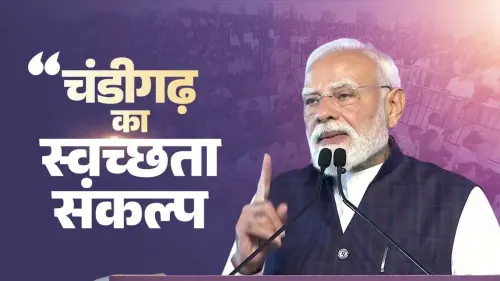
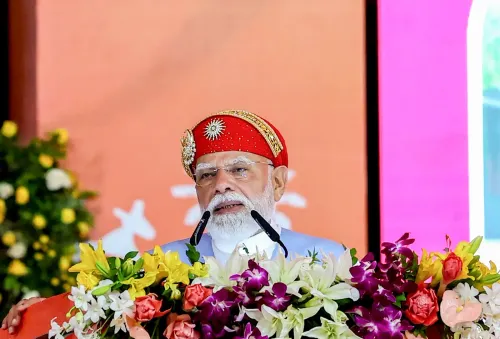
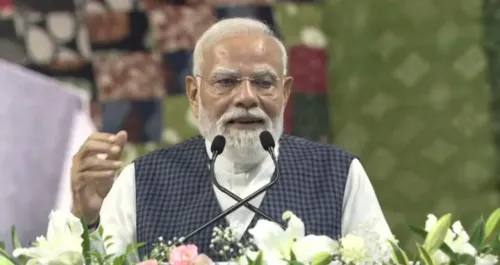
Prime Minister Narendra Modi visited Surat on Friday, 5 June 2026, inaugurating key development works and paying tribute to the city's transformation from a site of public-health crisis to a national symbol of urban cleanliness.
Context
Posting on X after the inauguration, PM Modi wrote: 'It is a delight to have been in Surat and inaugurate key development works. I have always believed that Surat is more than a city…it is a spirit.' He drew a pointed historical contrast, noting that 'a city that was once known for a massive plague is now known for cleanliness.' The remark is a direct reference to the pneumonic plague outbreak of September 1994, which killed dozens of residents and sent shockwaves through the country.
That crisis, however, catalysed sweeping reforms by the Surat Municipal Corporation, which overhauled drainage, waste management and public-health infrastructure in the years that followed — laying the groundwork for the city's later reputation as one of India's cleanest urban centres.
Policy Backdrop
Surat's cleanliness story has been amplified by two flagship central programmes. The Swachh Bharat Mission, launched on 2 October 2014, set national benchmarks for sanitation and solid-waste management, while the annual Swachh Survekshan rankings — conducted since 2016 — have repeatedly placed Surat at or near the top of India's cleanliness index. The city was also included in the first batch of Smart Cities in 2015, unlocking central funding for urban infrastructure upgrades.
The visit follows an established pattern of the Prime Minister inaugurating urban-infrastructure projects in Gujarat while highlighting measurable gains under the Swachh Bharat and Smart Cities Missions. Such inaugurations have typically coincided with the rollout of AMRUT-funded sewerage, drainage and solid-waste projects across tier-2 cities.
Stakeholders and Impact
Surat is Gujarat's second-largest city and a global hub for diamond polishing and textiles, making its infrastructure directly relevant to millions of residents, traders and workers. Improved drainage and sanitation systems reduce industrial disruption and public-health risks in densely populated commercial zones.
The city's repeated performance in Swachh Survekshan has made it a reference point for municipal bodies across India seeking to replicate its post-plague reform model. Civic groups and urban planners have cited Surat Municipal Corporation's institutional continuity as a key factor in sustaining those gains over three decades.
What's Next
Attention will now turn to the specific projects inaugurated on 5 June 2026 and any accompanying central allocations for Surat under AMRUT or the Smart Cities Mission. The next Swachh Survekshan results will also be watched closely to see whether Surat maintains its standing at the top of the national rankings.
Broader implications extend to other Gujarat municipal corporations, which may be next in line for similar infrastructure rollouts as the central government continues to use state visits to signal policy momentum ahead of future electoral cycles.
Point of View
Particularly in urban sanitation. By invoking the 1994 plague, he anchors the Swachh Bharat Mission within a decades-long reform arc rather than presenting it as a purely post-2014 achievement — a framing that broadens the programme's credibility. The emphasis on civic 'spirit' also personalises development gains, shifting credit from state machinery to the people of Surat, a rhetorical device that resonates strongly in a city with a proud mercantile identity. Upcoming Swachh Survekshan results will determine whether the narrative of continuous improvement holds.
NationPress
21 Oct 2026
Frequently Asked Questions
Why did PM Modi visit Surat on 5 June 2026?
PM Modi visited Surat on 5 June 2026 to inaugurate key development works in the city and to highlight its transformation into one of India's cleanest urban centres.
What was the 1994 Surat plague that Modi mentioned?
The 1994 Surat plague was a pneumonic plague outbreak in September 1994 that killed dozens of people and prompted the Surat Municipal Corporation to carry out sweeping drainage, waste-management and public-health reforms.
How did Surat become one of India's cleanest cities?
After the 1994 plague crisis, Surat overhauled its municipal sanitation systems. It later benefited from the Swachh Bharat Mission launched in 2014 and has repeatedly topped the annual Swachh Survekshan cleanliness rankings since 2016.
What is the Swachh Survekshan and how has Surat performed?
Swachh Survekshan is an annual survey ranking Indian cities on cleanliness parameters, conducted since 2016 under the Swachh Bharat Mission. Surat has topped the rankings multiple times, making it a model for other municipal bodies.
What is the Smart Cities Mission and is Surat part of it?
The Smart Cities Mission is a central government programme providing funding for urban infrastructure upgrades. Surat was included in the first batch of Smart Cities in 2015, enabling investments in sewerage, drainage and digital infrastructure.