PM Modi Engages with IGNCA Trustees to Enhance Cultural Initiatives
Synopsis
In a significant meeting, Prime Minister Narendra Modi discussed with IGNCA trustees methods to promote India's diverse culture and support artists in preserving the nation's rich heritage.
Key Takeaways
Prime Minister Modi met with IGNCA trustees to discuss cultural outreach.
The meeting emphasized the importance of preserving India’s cultural heritage.
Strategies for engaging more people in cultural initiatives were explored.
IGNCA plays a pivotal role in research and dissemination of arts.
Collaboration with artists and scholars is crucial for cultural preservation.
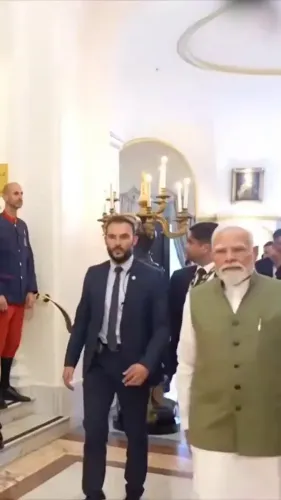
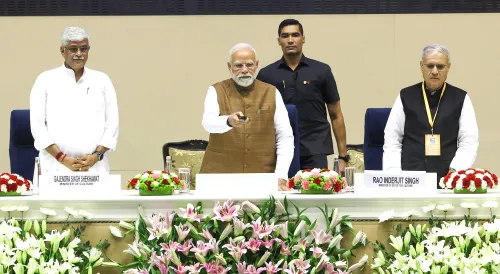
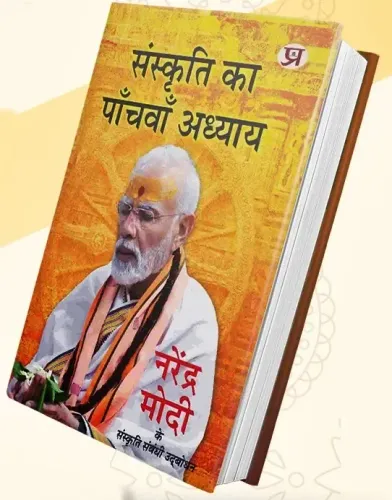
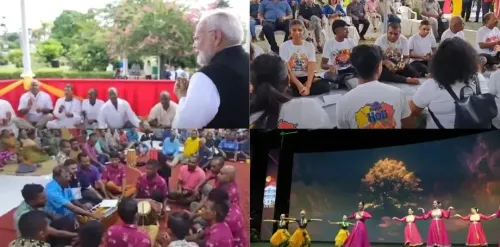
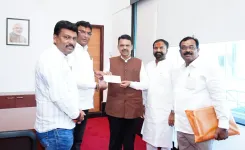
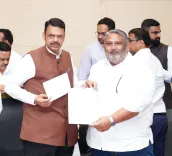
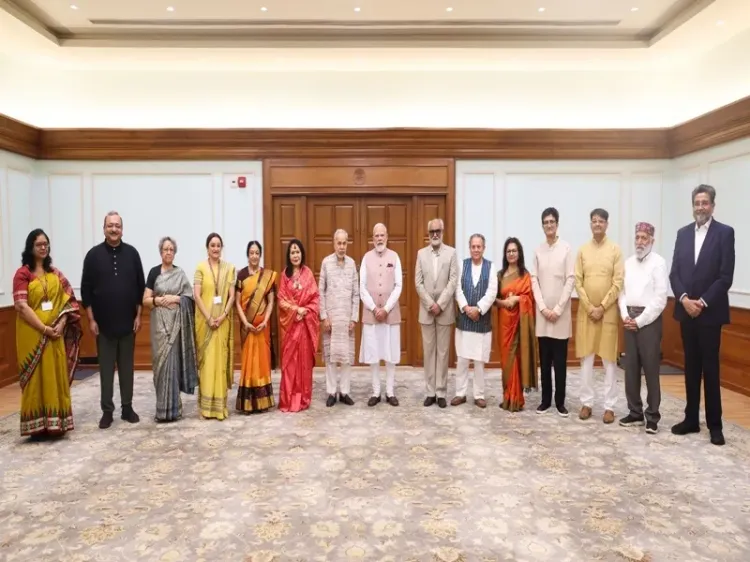
New Delhi, March 19 (NationPress) Prime Minister Narendra Modi convened with the trustees of the Indira Gandhi National Centre for the Arts (IGNCA) in the capital on Thursday, focusing on strategies to enhance the visibility of India's cultural heritage and aid artists and scholars in their mission to safeguard and promote the nation's vast cultural wealth.
"I met with the IGNCA trustees to explore various avenues for amplifying India’s rich cultural tapestry. We also discussed methods to engage more individuals in this initiative, enhance outreach through both digital and grassroots efforts, and bolster support for artists and scholars in their endeavors to preserve and promote our cultural legacy," the Prime Minister shared on the social media platform X following the meeting.
"Today’s meeting marks a significant achievement in India’s cultural renaissance. Culture is now an inclusive domain, accessible to all. Hon’ble Prime Minister Shri @narendramodi acknowledged the journey of the IGNCA as a shining example of cultural democratization and civilizational outreach throughout Bharat," noted the IGNCA on the same platform.
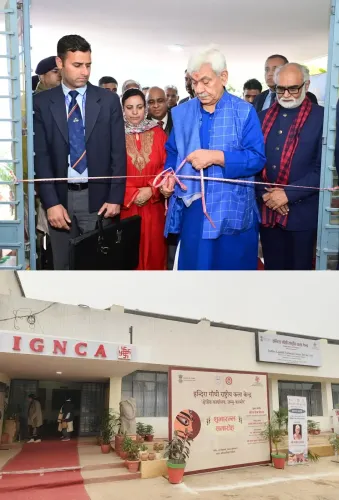
Founded in 1987 as an autonomous body under the Ministry of Culture, the IGNCA operates as a hub for research, academia, and dissemination in the arts.
The institution views arts as an expansive field that integrates various disciplines—from archaeology and anthropology to visual and performing arts—within a cohesive framework.
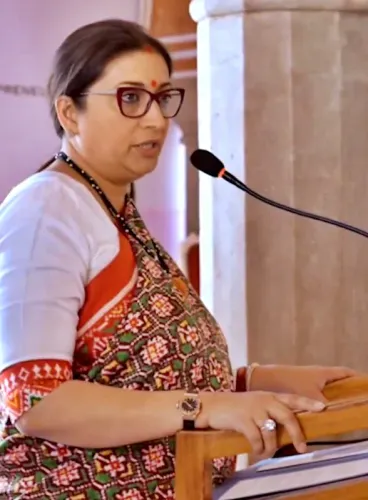
The board of trustees consists of 18 members, led by veteran journalist Ram Bahadur Rai, who serves as both President and Chairman of the Executive Committee. Other notable members include Sonal Mansingh, Bharat Gupt, and Member Secretary Sachchidanand Joshi, who heads the academic and administrative divisions.
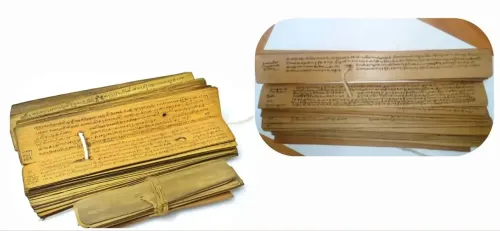
The IGNCA operates through six functional units: Kala Nidhi, a diverse library; Kala Kosa, which concentrates on the study and publication of primary texts in Indian languages; Janapada Sampada, dedicated to lifestyle research; Kaladarsana, which transforms research into exhibitions; Cultural Informatics, utilizing technology for cultural preservation; and Sutradhara, the administrative body that coordinates all operations.
Point of View
It's crucial to recognize the significance of this meeting between Prime Minister Modi and the IGNCA trustees. This dialogue not only highlights the government's commitment to cultural preservation but also emphasizes the importance of grassroots involvement in promoting India's diverse heritage.
NationPress
29 Sept 2026
Frequently Asked Questions
Who leads the IGNCA?
The IGNCA is led by Ram Bahadur Rai, who serves as President and Chairman of the Executive Committee.
What are the main functions of IGNCA?
The IGNCA operates through various units focusing on library services, research publication, lifestyle studies, exhibitions, and cultural informatics.
What was discussed in PM Modi's meeting with IGNCA trustees?
The meeting focused on strategies to popularize India's culture, engage more individuals in cultural initiatives, and support artists and scholars.
Why is cultural outreach important?
Cultural outreach enhances awareness and appreciation of a nation's heritage, promotes inclusivity, and supports the arts community.