PM Modi praises Assam's Hargila Army for turning superstition into conservation
Synopsis
A bird once considered a bad omen in Assam is now a symbol of village pride — and PM Modi used his Mann Ki Baat address to tell that story. Conservation biologist Purnima Devi Barman's Hargila Army, thousands of rural women strong, has turned superstition into a grassroots movement protecting one of India's most endangered storks.
Key Takeaways
PM Modi praised the Hargila Army during his Mann Ki Baat address on 28 June .
The Hargila Army is a women-led conservation movement in Assam protecting the endangered greater adjutant stork .
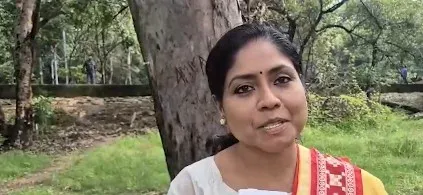
Conservation biologist Purnima Devi Barman founded the initiative, engaging local women to counter superstition around the bird.
The stork was historically regarded as inauspicious, with communities felling trees sheltering its nests.
Thousands of rural women across Assam are now part of the movement, which has helped reverse the bird's local decline.
The greater adjutant stork is listed as endangered on the IUCN Red List.
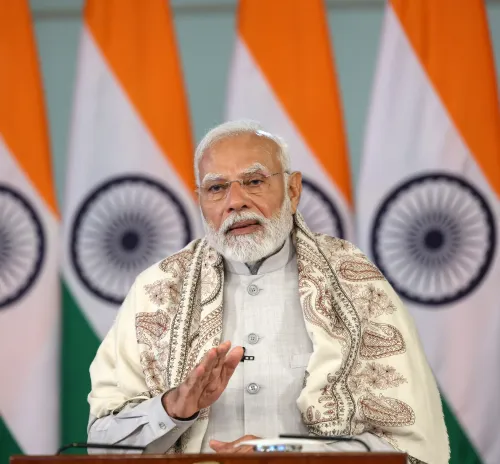
Prime Minister Narendra Modi on Sunday, 28 June praised Assam's women-led Hargila Army for converting a centuries-old superstition into a thriving conservation movement, calling it proof that scientific awareness and community participation can dismantle even the most deeply rooted social beliefs. He made the remarks during his monthly radio address, Mann Ki Baat.
Superstition as a barrier to truth
Speaking to the nation, Modi observed that superstition has pervaded human society for millennia and functions primarily by generating fear. 'Superstition is not merely a misconception; it creates fear. When fear dominates the mind, people stop seeing the truth and begin making decisions without logic or knowledge of facts,' he said. He added, however, that individuals who challenge such beliefs through science, experience, and reason can bring about meaningful change — even if the journey is arduous.
The Hargila's troubled history in Assam
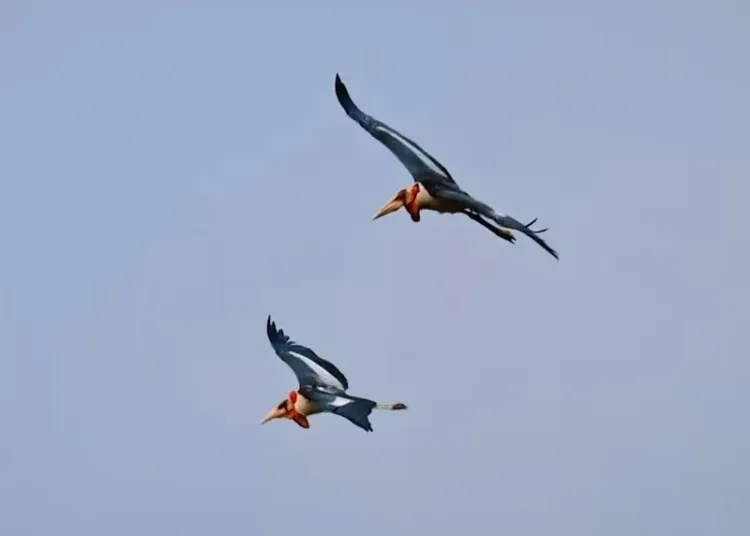
Modi highlighted the case of the greater adjutant stork, an endangered species locally called the 'Hargila', found in parts of Assam. The bird plays a vital ecological role by scavenging and cleaning the environment. Despite this, it was historically regarded as inauspicious in several communities, leading residents to fell trees that sheltered its nests. 'A bird that helps keep the environment clean became a victim of fear and superstition,' Modi said.
Purnima Devi Barman and the community turnaround
The Prime Minister credited noted conservation biologist Purnima Devi Barman with spearheading the effort to reverse public perception. Barman engaged local women, explained the Hargila's scientific and ecological significance, and steadily built a grassroots movement around its protection. The campaign achieved a remarkable shift: a bird once considered a bad omen is now celebrated as a symbol of village pride across Assam.
Thousands of women now part of the movement
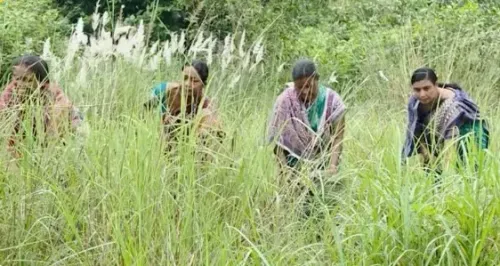
Today, thousands of rural women across Assam are associated with the initiative, collectively known as the Hargila Army. Modi noted that these women overcame significant social resistance and worked relentlessly to spread awareness. Their effort, he said, demonstrates that long-standing superstitions can be replaced with scientific understanding and compassion when accurate information reaches communities. This comes amid a broader national push to link environmental conservation with local women's empowerment — a theme Modi has returned to in previous Mann Ki Baat episodes.
Significance beyond conservation
The Hargila Army's story is increasingly cited in conservation circles as a model for community-led wildlife protection in South Asia. The greater adjutant stork, listed as endangered on the IUCN Red List, has seen its numbers recover in the Kamrup district of Assam, a trend conservationists attribute in large part to Barman's grassroots work. Modi's public endorsement is expected to amplify national attention on the initiative and potentially attract further government and NGO support.
Point of View
A constitutional value that rarely gets this kind of prime-time amplification. What mainstream coverage tends to miss is Purnima Devi Barman's decade-long grind against institutional indifference before the Hargila's recovery became a headline. The endangered stork's numbers in Kamrup have climbed, but the species remains under pressure from wetland degradation that no grassroots campaign alone can fix. Sustained policy action on habitat protection will determine whether the Hargila Army's gains hold — or become another inspiring story that stalled at the awareness stage.
NationPress
27 Sept 2026
Frequently Asked Questions
What is the Hargila Army in Assam?
The Hargila Army is a women-led grassroots conservation movement in Assam dedicated to protecting the greater adjutant stork, locally called the 'Hargila.' Founded by conservation biologist Purnima Devi Barman, it has grown to include thousands of rural women who work to change community perceptions and safeguard the bird's nesting sites.
Why was the greater adjutant stork considered inauspicious in Assam?
The greater adjutant stork was historically regarded as a bad omen in parts of Assam, leading residents to cut down trees that housed its nests. This superstition, despite the bird's vital ecological role as an environmental scavenger, contributed to a sharp decline in its population.
Who is Purnima Devi Barman?
Purnima Devi Barman is a noted conservation biologist from Assam who founded the Hargila Army. She engaged local women, explained the scientific importance of the greater adjutant stork, and built a community movement that transformed the bird from a feared omen into a symbol of village pride.
What did PM Modi say about the Hargila Army on Mann Ki Baat?
PM Modi praised the Hargila Army on 28 June during his Mann Ki Baat radio address, saying the initiative showed how scientific awareness and community participation can dismantle deeply entrenched superstitions. He credited Purnima Devi Barman for leading the effort and noted that thousands of rural women are now part of the movement.
What is the conservation status of the greater adjutant stork?
The greater adjutant stork is listed as endangered on the IUCN Red List. Its population in Assam's Kamrup district has shown signs of recovery, a trend conservationists largely attribute to the community-led protection efforts of the Hargila Army.