Modi-Zelensky phone call: BJP says PM enjoys global acceptance amid Abu Dhabi peace push
Synopsis
PM Modi's phone call with Zelensky — timed just before Abu Dhabi peace talks — signals India is being kept in the diplomatic loop on the Russia-Ukraine conflict. Zelensky's public acknowledgement that Modi has told Putin directly 'now is the time to end the war' is a rare and notable diplomatic signal from Kyiv, lending weight to India's self-styled role as a neutral peace broker.
Key Takeaways
PM Modi and President Zelensky spoke by phone on Monday, 10 November 2026 , reviewing bilateral ties and the Russia-Ukraine conflict.
Zelensky briefed Modi on diplomatic developments ahead of upcoming peace talks in Abu Dhabi .
BJP MP Praveen Khandelwal cited the call as evidence of Modi's 'widespread acceptance among world leaders' over 12 years in office.
Congress MP Imran Masood urged that India's geopolitical messaging be handled 'very carefully and with due consideration.' Modi reiterated India's 'firm commitment to contributing in every possible way towards a peaceful resolution' of the conflict.
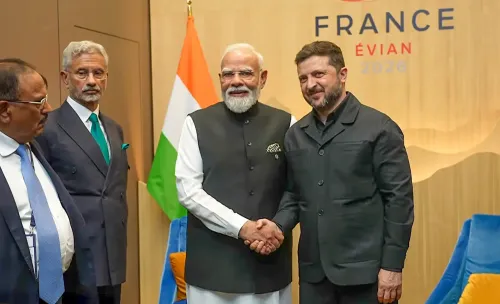
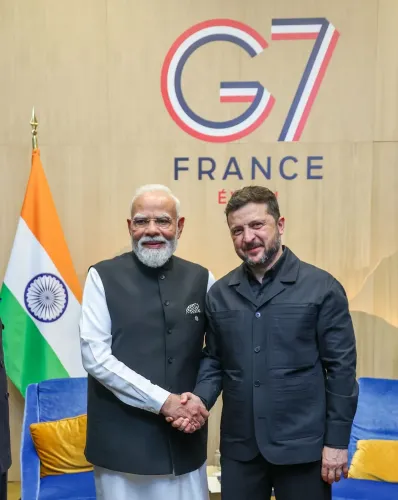
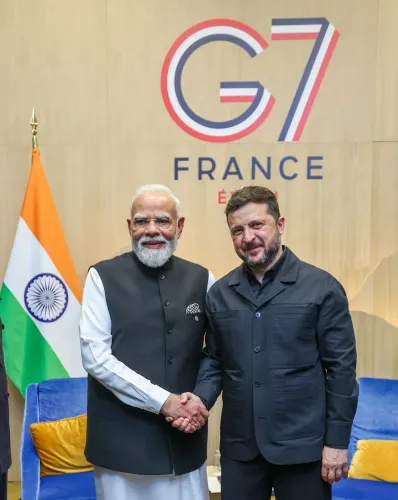
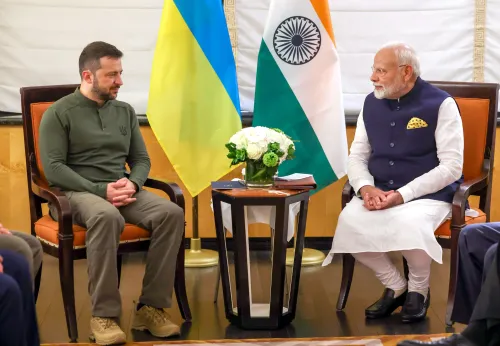
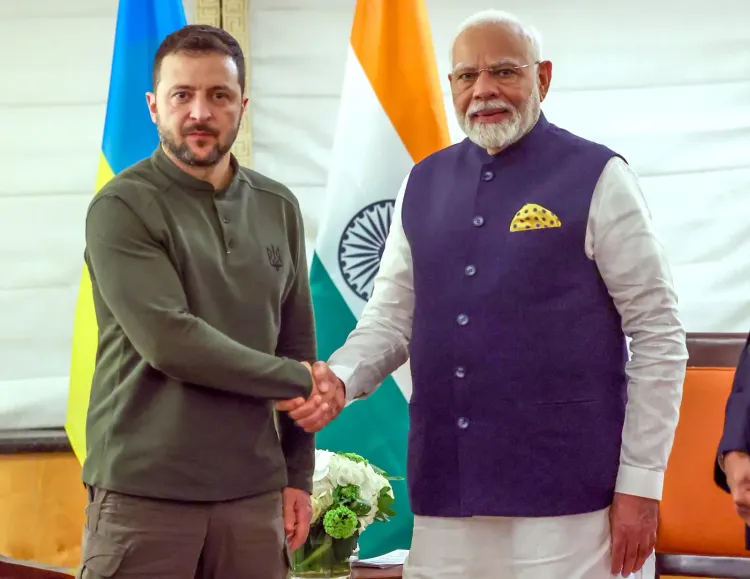
Prime Minister Narendra Modi and Ukrainian President Volodymyr Zelensky held a telephone conversation on Monday, 10 November 2026, with both leaders reviewing bilateral ties and discussing the ongoing Russia-Ukraine conflict ahead of upcoming peace talks in Abu Dhabi. The call prompted the Bharatiya Janata Party (BJP) to highlight India's growing diplomatic stature, while the opposition urged caution in geopolitical messaging.
What Was Said on the Call
Prime Minister Modi, sharing details of the conversation on social media platform X, said the two leaders reviewed 'wide-ranging bilateral cooperation' and agreed to further strengthen India-Ukraine ties. 'I thanked President Zelensky for sharing his perspectives on the ongoing conflict, its humanitarian aspects and various efforts to restore peace. Reiterated India's firm commitment to contributing in every possible way towards a peaceful resolution,' Modi wrote.
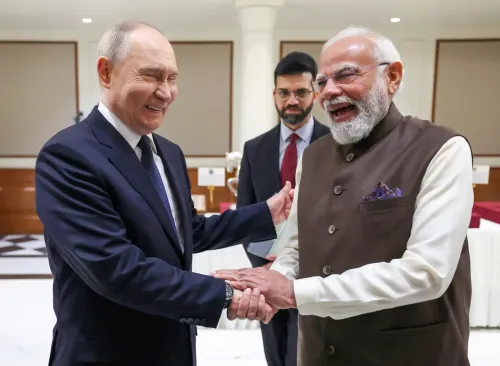
President Zelensky, also posting on X, said he had briefed Modi on the latest diplomatic developments ahead of the Abu Dhabi meeting. 'Ukraine has always taken a constructive approach, and Russia must show the same readiness to de-escalate. Prime Minister (Modi) has said more than once, including directly to the Russian leader (Vladimir Putin), that now is the time to end the war, not to continue it,' Zelensky stated.
BJP's Reading of the Call
BJP MP Praveen Khandelwal said the conversation was testament to India's elevated global standing. 'This proves that Prime Minister Narendra Modi enjoys widespread acceptance among world leaders. Today, whenever there is a crisis in the world or a situation resembling a war between two countries, everyone looks towards India. This reflects India's stature. The way Prime Minister Narendra Modi has enhanced India's standing over the past 12 years is reflected in this conversation,' Khandelwal said.
Opposition Urges Careful Diplomacy
Congress MP Imran Masood offered a more restrained take, saying, 'Given where we stand in terms of geopolitics, we should speak about all these issues very carefully and with due consideration.' The remark reflects a broader opposition argument that India's mediation posture must be calibrated, particularly as New Delhi maintains ties with both Moscow and Kyiv.
India's Role in the Abu Dhabi Peace Process
The call comes as Abu Dhabi prepares to host talks aimed at advancing a peace framework for the Russia-Ukraine war. Zelensky's briefing of Modi signals Kyiv's intent to keep New Delhi informed of diplomatic developments — a notable shift from the early months of the conflict when India's abstentions at the United Nations drew criticism from Western capitals. This is not the first Modi-Zelensky interaction; the two leaders met in Kyiv in August 2024 in a historic visit that marked India's first direct engagement at the Ukrainian capital since the war began. India has consistently maintained that dialogue and diplomacy are the only path to lasting peace, positioning itself as a credible neutral interlocutor. How much influence New Delhi can actually exercise over Moscow remains a central question as the Abu Dhabi talks draw closer.
Point of View
But Zelensky's own public statement lends it unintended credibility. The more significant detail is that Kyiv is actively briefing New Delhi ahead of the Abu Dhabi talks — a sign that Ukraine no longer views India's neutrality as an obstacle but potentially as leverage. The Congress caution, while measured, sidesteps the harder question: if India truly has Putin's ear, as Zelensky implies, what concrete deliverables has that influence produced? India's mediation brand is rising; its mediation outcomes are yet to be tested.
NationPress
10 Nov 2026
Frequently Asked Questions
What did PM Modi and President Zelensky discuss in their phone call?
The two leaders reviewed wide-ranging India-Ukraine bilateral cooperation and discussed the ongoing Russia-Ukraine conflict, including its humanitarian aspects. Modi reiterated India's commitment to contributing towards a peaceful resolution, while Zelensky briefed him on diplomatic developments ahead of peace talks in Abu Dhabi.
Why did the BJP respond to the Modi-Zelensky phone call?
BJP MP Praveen Khandelwal said the call demonstrated that PM Modi 'enjoys widespread acceptance among world leaders' and reflects India's enhanced global stature over the past 12 years. The party used the call to highlight India's growing role as a diplomatic interlocutor in global crises.
What are the upcoming Abu Dhabi peace talks?
Abu Dhabi is set to host diplomatic talks aimed at advancing a peace framework for the Russia-Ukraine war. Zelensky said Ukraine is 'actively preparing on every item on the agenda' for the meeting, and briefed Modi as part of that preparatory diplomatic outreach.
What did Zelensky say about PM Modi's stance on the war?
Zelensky said in a post on X that Modi 'has said more than once, including directly to the Russian leader Vladimir Putin, that now is the time to end the war, not to continue it.' He called on Russia to show the same readiness to de-escalate as Ukraine.
What was the Congress party's reaction to the call?
Congress MP Imran Masood urged caution, saying India 'should speak about all these issues very carefully and with due consideration' given the country's geopolitical position. The remark suggests the opposition wants India to avoid being drawn into a one-sided diplomatic posture.