Modi-Zelenskyy G7 meet: India pushes to restore pre-war trade ties
Synopsis
On the sidelines of the G7 Summit in Evian, PM Modi and President Zelenskyy agreed to restore India-Ukraine trade to pre-war levels — a significant signal from New Delhi that it is actively working to deepen ties with Kyiv even as it maintains its carefully balanced position on the conflict.
Key Takeaways
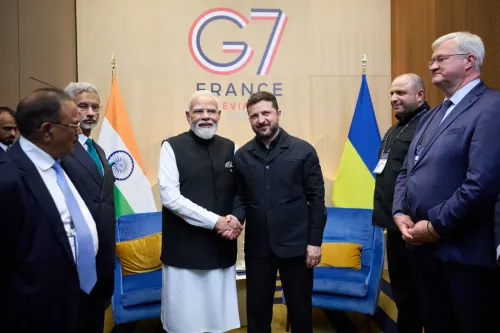
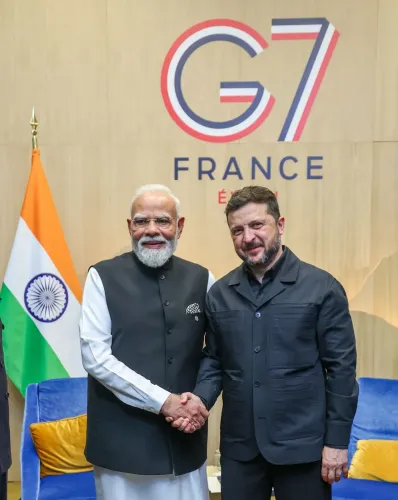
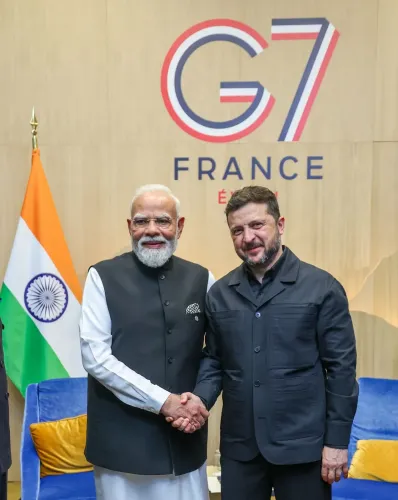
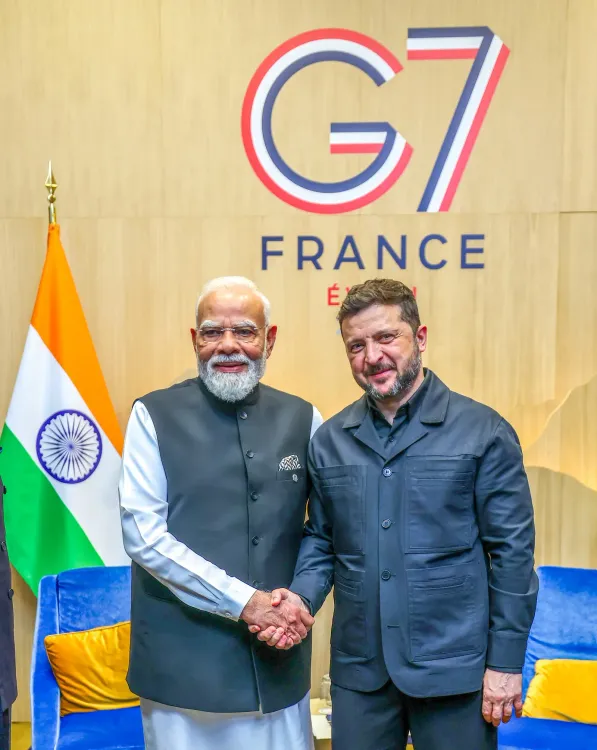
PM Narendra Modi met Ukrainian President Volodymyr Zelenskyy in Evian on 17 June on the sidelines of the G7 Summit .
Both leaders agreed that India-Ukraine trade ties must be restored to pre-war levels .
Before the war, India imported sunflower oil and fertilisers from Ukraine and exported pharmaceuticals and machinery .
Modi reaffirmed that India will always be on the side of peace , prioritising humanitarian values.
The meeting reflects India's broader diplomatic balancing act — engaging Kyiv while maintaining ties with Moscow .
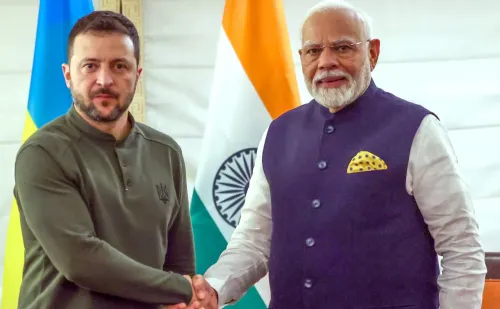
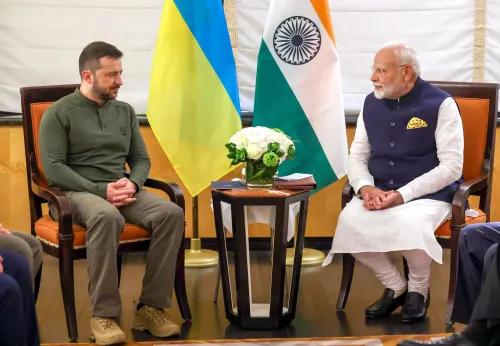
Prime Minister Narendra Modi on Wednesday, 17 June held talks with Ukrainian President Volodymyr Zelenskyy on the sidelines of the G7 Summit in Evian, with both leaders agreeing on the urgent need to restore bilateral trade to pre-war levels and reaffirming a shared commitment to peace. The meeting marks one of the most substantive India-Ukraine engagements since the conflict began.
What the Leaders Agreed On
Modi said the two sides had been engaging extensively across multiple areas of cooperation. 'Our talks today were about reviewing different aspects of our cooperation. We both agree that trade ties need to be restored to what they were in the pre-war period. India will always be on the side of peace, placing the values of humanity over everything else,' he said in a post on X.
Zelenskyy, for his part, has consistently sought deeper partnerships with major economies to support Ukraine's reconstruction and economic stabilisation. The Evian meeting is seen as a step toward reviving that engagement with New Delhi.
What the War Disrupted
Before the conflict, India was a significant trade partner for Ukraine — importing large volumes of sunflower oil and fertilisers, while exporting pharmaceuticals, machinery, and other manufactured goods. The war has sharply disrupted those flows, hitting Indian agricultural supply chains and complicating defence-related cooperation that had been building between the two nations.
This comes amid a broader global reckoning with supply-chain fragility exposed by the conflict, which has pushed food and energy prices higher across developing economies — a concern India has repeatedly raised in multilateral forums.
India's Diplomatic Balancing Act
India has maintained a carefully calibrated position throughout the conflict — consistently calling for dialogue and diplomacy while abstaining on several UN votes critical of Russia. Modi has previously framed India's stance around humanitarian principles and the economic interests of the Global South, nations disproportionately affected by the war's ripple effects.
Notably, Modi has met Zelenskyy on multiple occasions since the war began, signalling that New Delhi is not content to remain passive. The bilateral discussions in Evian reflect India's effort to deepen ties with Kyiv without formally breaking from its longstanding strategic relationship with Moscow.
What Comes Next
The two leaders' discussions are expected to lay the groundwork for renewed trade negotiations and potential cooperation on Ukraine's reconstruction — an area where Indian pharmaceutical and infrastructure firms could play a role. Whether the momentum translates into concrete trade agreements will depend on the trajectory of the conflict and the diplomatic space both governments can carve out.
Point of View
Because so far, India's Ukraine diplomacy has produced goodwill statements more reliably than binding commitments. With Ukraine's reconstruction becoming a major global economic opportunity, New Delhi's hesitation to move faster risks ceding ground to European and American firms.
NationPress
18 Sept 2026
Frequently Asked Questions
What did PM Modi and President Zelenskyy discuss at the G7 Summit in Evian?
The two leaders discussed restoring India-Ukraine bilateral trade to pre-war levels and reaffirmed their commitment to peace. Modi said the talks covered multiple aspects of cooperation, including trade and humanitarian values.
Why does restoring India-Ukraine trade matter?
Before the war, India and Ukraine had significant trade ties — India imported sunflower oil and fertilisers from Ukraine and exported pharmaceuticals and machinery. The conflict severely disrupted these flows, affecting Indian agricultural supply chains and broader economic interests.
What is India's official position on the Ukraine conflict?
India has consistently called for dialogue and diplomacy to resolve the crisis, maintaining that peace and stability are essential for global economic recovery. New Delhi has framed its stance around humanitarian concerns and the interests of developing nations affected by the war.
Where did the Modi-Zelenskyy meeting take place?
The meeting took place on 17 June in Evian, France, on the sidelines of the G7 Summit.
What could come next from the India-Ukraine talks?
The discussions are expected to lay the groundwork for renewed trade negotiations and potential cooperation on Ukraine's reconstruction, including possible roles for Indian pharmaceutical and infrastructure firms. Concrete outcomes will depend on the progress of peace efforts and diplomatic developments.