Madhya Pradesh Government Ensures Steady LPG Supply Amid National Shortage
Synopsis
Madhya Pradesh's Civil Supplies Minister addresses the ongoing LPG cylinder shortage, assuring citizens of ample supplies of petrol, diesel, and domestic gas cylinders while outlining measures to prevent hoarding and black marketing.
Key Takeaways
Madhya Pradesh ensures adequate stocks of petrol, diesel, and domestic gas cylinders.
District collectors are preventing hoarding and black marketing .
Commercial LPG supplies are restricted to hospitals and educational institutions .
Refill bookings are limited to 25 days after the last delivery .
Global disruptions are impacting LPG supply chains .
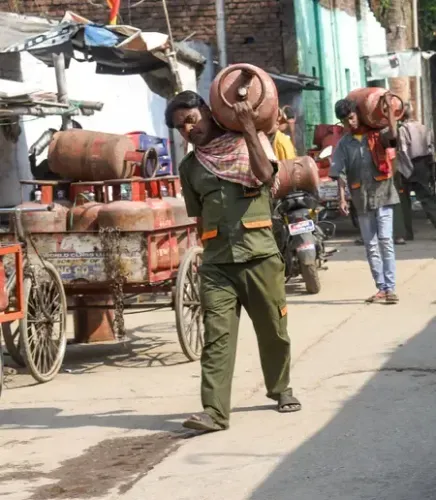
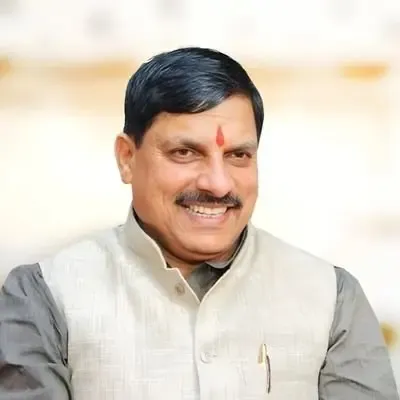
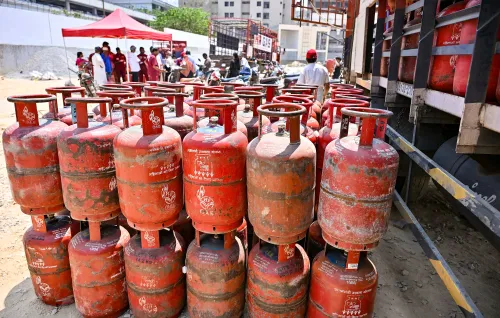
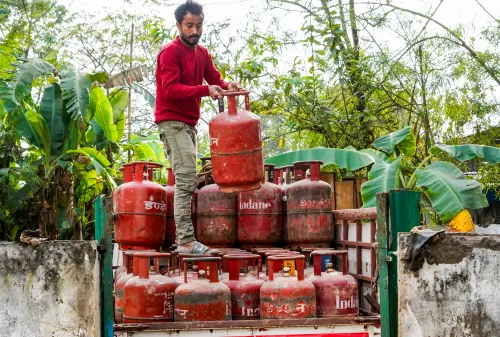
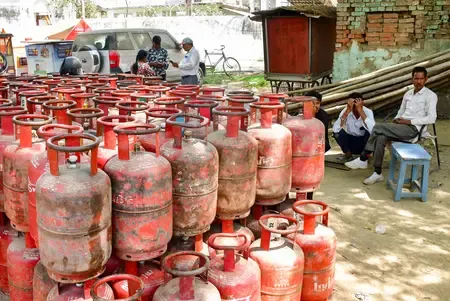
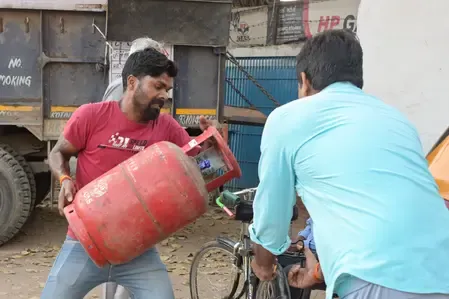
Bhopal, March 11 (NationPress) In response to rising worries regarding the lack of LPG cylinders among the general public nationwide, Madhya Pradesh's Minister of Civil Supplies and Consumer Protection, Govind Singh Rajput, announced on Wednesday that persistent efforts are underway to guarantee that consumers in the state encounter no issues.
The Minister emphasized that all district collectors have been instructed to prevent hoarding and black market activities related to LPG cylinders at the distributor level.
“Currently, the state maintains sufficient supplies of petrol, diesel, and domestic gas cylinders, with consistent distribution,” the Minister remarked in a statement.
Additionally, he indicated that district collectors have been tasked with regularly assessing the availability of both commercial and domestic cylinders by convening meetings with officials from the Food Department and Oil Companies, as well as LPG distributors at the district level.
Meetings will also be organized with significant commercial consumers in the district to counsel them on the prudent use of available stocks and the exploration of alternative fuel sources to fulfill their needs.
Due to disruptions in imports stemming from the ongoing global situation, the Ministry of Petroleum and Natural Gas, Government of India, has mandated that all public sector oil marketing companies ensure that LPG is exclusively supplied and marketed to domestic consumers.
In an effort to maintain a steady supply, oil companies have enacted various measures within the distribution framework. Refill bookings are now accepted only 25 days following the last delivery.
This decision aims to thwart black marketing and guarantee regular, fair distribution to consumers.
In these circumstances, oil companies have resolved that commercial LPG will not be provided to any commercial consumers (such as hotels, malls, industrial zones utilizing bulk LPG, factories, etc.) aside from hospitals and educational institutions.
This crisis arises amid disruptions linked to the intensifying Iran-Israel conflict, which has started to impact commercial LPG supply chains nationwide.
Point of View
Madhya Pradesh's proactive measures underlines a commitment to consumer welfare. The government's steps to prevent black market activities while maintaining adequate supplies reflect a responsive approach to a critical issue affecting everyday lives.
NationPress
21 Sept 2026
Frequently Asked Questions
What measures is the MP government taking to ensure LPG availability?
The MP government has directed district collectors to prevent hoarding and black marketing of LPG cylinders and to ensure consistent supplies of petrol, diesel, and domestic gas cylinders.
Who will not receive commercial LPG supplies?
Commercial LPG will be restricted to hospitals and educational institutions; other commercial consumers such as hotels and factories will not receive supplies.
Why is there a shortage of LPG cylinders?
The shortage is linked to disruptions in global supply chains, notably influenced by the ongoing Iran-Israel conflict.
What is the booking policy for LPG refills?
Refill bookings for LPG cylinders are accepted only 25 days after the last delivery to prevent black marketing.
How is the MP government ensuring fair distribution of LPG?
The government is holding regular meetings with Food Department and Oil Company officials to review cylinder availability and advising major consumers on efficient use.