Madhya Pradesh Government Advocates for Digital LPG Bookings and Alternative Fuel Exploration
Synopsis
As concerns about LPG cylinder availability rise, Madhya Pradesh's government urges consumers to book digitally and explore alternative fuels. This proactive measure aims to curb unnecessary agency visits and address black marketing issues.
Key Takeaways
Utilize digital platforms for LPG bookings.
The supply of LPG in Madhya Pradesh is adequate.
Commercial consumers should explore alternative fuels .
Authorities are clamping down on black marketing.
Consider menu adjustments at large events to conserve LPG.
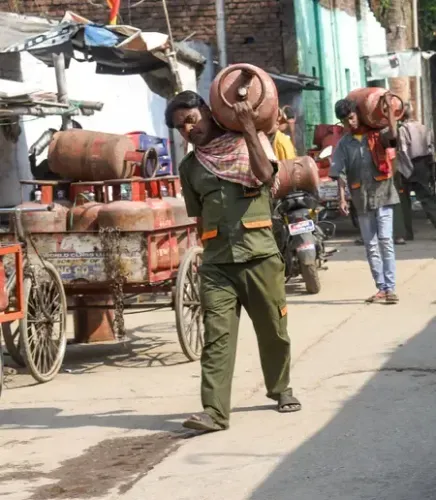
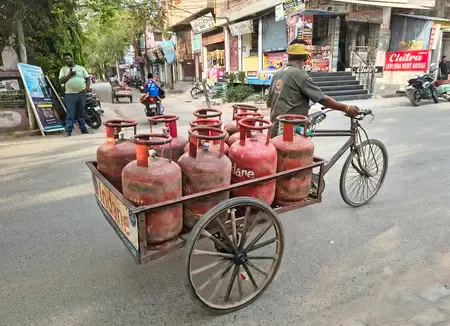
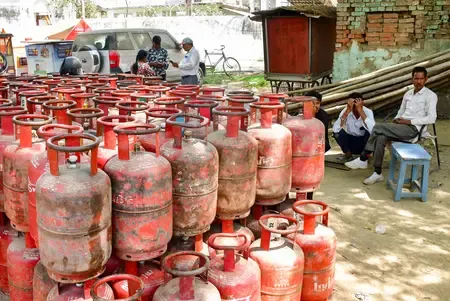
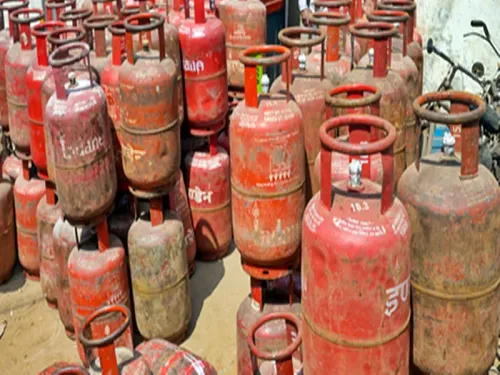
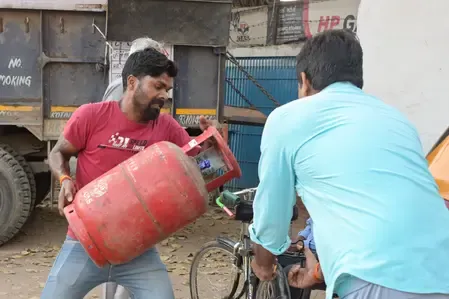
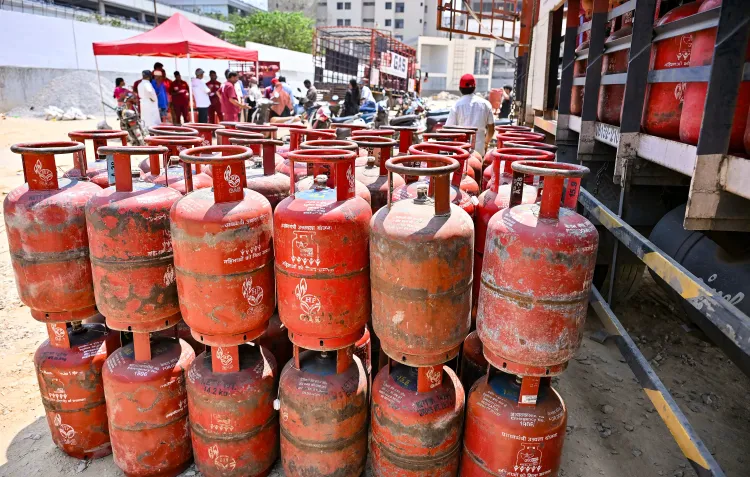
Bhopal, March 16 (NationPress) In response to rising concerns regarding the availability of LPG cylinders, the Food and Civil Supplies Department of Madhya Pradesh has called on domestic users to utilize digital platforms for booking cylinders, thereby minimizing unnecessary visits to gas agencies.
The department emphasized that the supply of domestic LPG within the state remains satisfactory and urged consumers to disregard misleading rumors.
Commercial consumers have also been advised to use available stocks wisely and to consider alternative fuel options whenever feasible.
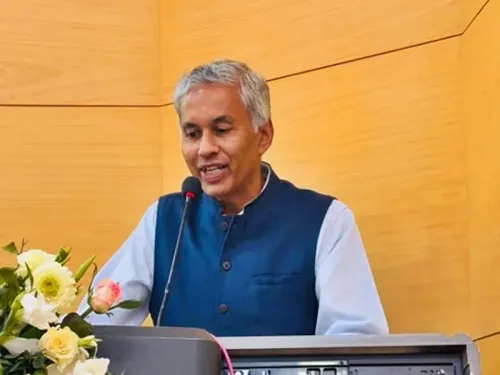
“The state's domestic gas supply is stable. Consumers should not fall prey to unfounded rumors. Our nation's refineries are functioning at peak capacity, and crude oil is being sourced from regions beyond West Asia,” stated Additional Chief Secretary (Food, Civil Supplies) Rashmi Arun Shami.
After a review meeting, Shami announced that district collectors have been instructed to enhance their intelligence operations and take decisive action against illegal hoarding and black marketing.
“Immediate steps must be taken if any complaints arise about irregularities or delays in the distribution system to ensure timely availability of gas to consumers,” she added.
Officials reported instances of black marketing and hoarding of LPG cylinders in certain areas of the state, despite stringent oversight by various authorities, including police and revenue departments.
A government report revealed that authorities have conducted raids at 1,116 sites statewide, resulting in the confiscation of 1,825 cylinders as of March 16.
Meantime, district administrations have been urged to act swiftly on complaints and to guide the public on how to conserve LPG during this critical time.
Barwani District Collector Jayati Singh recommended that wedding planners consider simplifying their menus to minimize LPG usage.
“Typically, wedding festivities involve preparing large amounts of rotis and parathas, which consume a considerable quantity of cooking gas. If organizers include dishes that require less fuel, it can lead to significant reductions in gas consumption,” she explained.
Singh also pointed out that large events often necessitate a high number of cylinders for cooking, causing sudden surges in demand.
“If individuals proceed with caution and make appropriate changes to their menus, it can help conserve energy and ensure that LPG is more readily available for everyday consumers,” she concluded.
Point of View
The administration demonstrates a nation-first approach to resource management.
NationPress
2 Oct 2026
Frequently Asked Questions
Why is the Madhya Pradesh government promoting digital LPG bookings?
The government is promoting digital LPG bookings to reduce unnecessary visits to gas agencies and streamline the booking process amidst availability concerns.
What measures are being taken against black marketing of LPG?
The government has directed district collectors to enhance intelligence operations and take strict action against illegal hoarding and black marketing of LPG.
How can consumers conserve LPG during this situation?
Consumers are encouraged to simplify their cooking methods and consider alternative fuel options to conserve LPG.
Are there enough LPG cylinders available in Madhya Pradesh?
Yes, the government assures that the supply of domestic LPG in Madhya Pradesh remains adequate.
What should consumers do if they face delays in LPG distribution?
Consumers should report any irregularities or delays to ensure timely action is taken for gas availability.