NEET-UG 2026: MP Police Deploy Multi-Layer Security for May 3 Exam
Synopsis
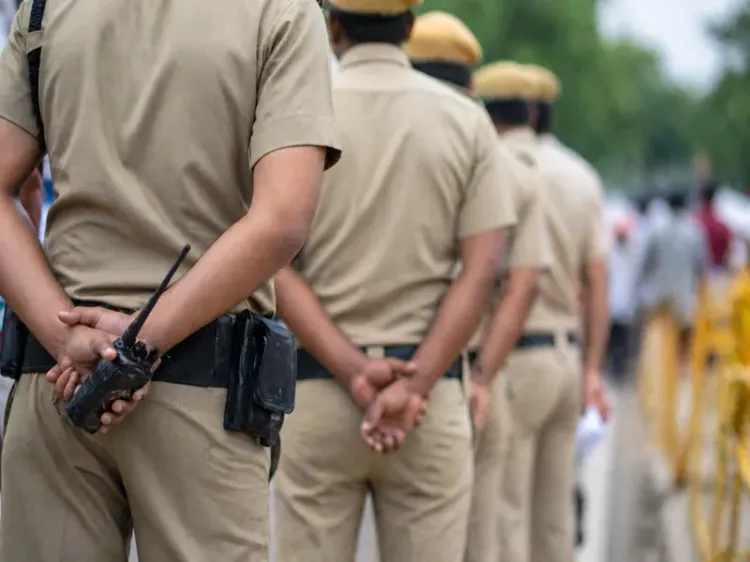
With the NEET-UG 2024 scandal still fresh, Madhya Pradesh Police are deploying 38 cyber commandos, mandatory CCTV at all 283 centres, and armed escorts for question papers, a sweeping security overhaul for 1.18 lakh candidates appearing on May 3 across 30 cities, with Chambal under special watch.
Key Takeaways
NEET-UG 2026 is scheduled for May 3 across 30 cities in Madhya Pradesh, covering 1.18 lakh candidates at 283 centres .
DGP Kailash Makwana chaired a statewide video conference on April 25 , ordering zero-tolerance security protocols across all districts.
38 trained cyber commandos will monitor digital platforms for misinformation, paper leak attempts, and suspicious communications.
Question paper transport will be secured via police escorts, designated routes, dashcam monitoring , and real-time vehicle tracking.
The Chambal region and border districts are under heightened surveillance due to organised cheating network risks.
Security overhaul directly incorporates lessons from the NEET-UG 2024 scandal , with mandatory CCTV coverage at all examination centres.
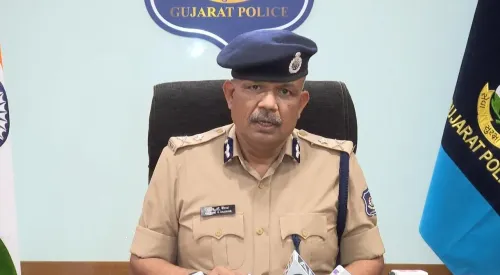
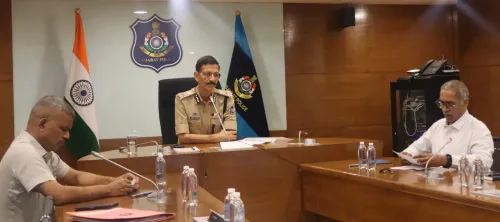
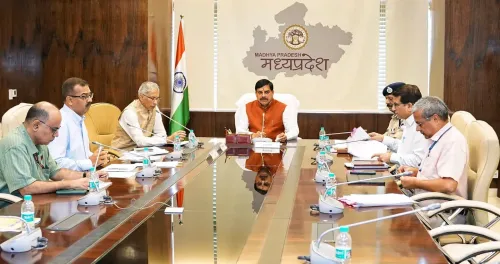
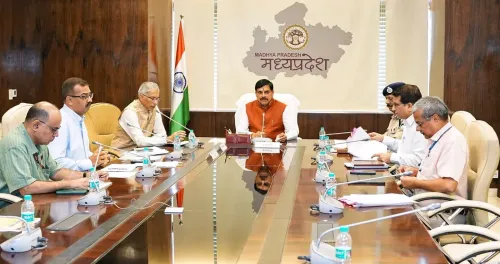
Ahead of the National Eligibility-cum-Entrance Test (NEET-UG) 2026 scheduled for May 3, Madhya Pradesh police have launched an unprecedented multi-layer security framework to ensure the exam is conducted fairly, transparently, and without disruption. Director General of Police Kailash Makwana chaired a statewide video conference on Saturday, April 25, with all Superintendents of Police, issuing strict directives to eliminate any possibility of malpractice across the state's 283 examination centres.
Zero-Tolerance Security Directives Issued Statewide
Addressing officials across all districts, DGP Makwana described NEET-UG as an extremely important examination linked to the future of students, demanding that every process must be error-free, transparent and secure. He explicitly ordered a zero-tolerance approach toward any lapse, no matter how minor.
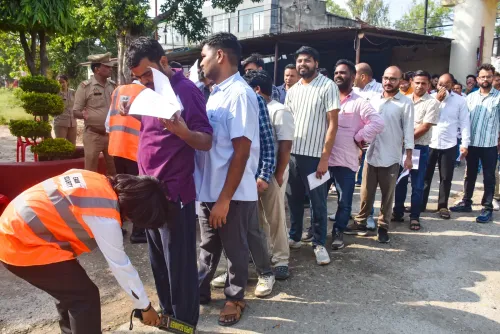
All examination centres, strong rooms, and exam halls are to be physically inspected in advance. Adequate deployment of police personnel along with handheld metal detectors (HHMDs) has been mandated for thorough candidate screening while ensuring the process remains smooth and does not cause undue inconvenience at entry and exit points.
The DGP placed special emphasis on the secure movement of question papers. Police escorts will accompany paper transportation between banks, post offices, strong rooms, and examination centres. All vehicles will travel via designated routes with dashcam monitoring and real-time vehicle tracking. Continuous surveillance will be maintained until OMR sheets and all examination materials are safely returned post-exam.
Chambal Region and Border Districts Under Heightened Vigil
DGP Makwana specifically flagged the Chambal region and border districts as sensitive zones requiring heightened vigilance, citing the risk of organised cheating networks and paper leak attempts. Unauthorised entry in the vicinity of examination centres will be strictly prohibited.
This targeted focus on Chambal is significant. The region has historically been associated with organised crime networks, and its proximity to state borders makes it vulnerable to inter-state cheating syndicates, a pattern that has plagued competitive examinations nationally in recent years.
Cyber Commandos and Digital Surveillance Deployed
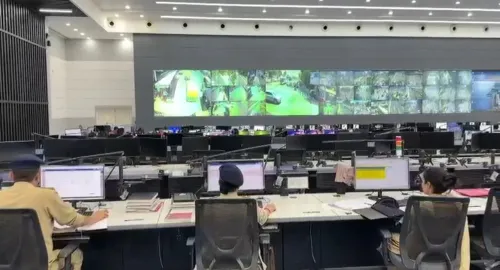
Recognising the growing role of social media in spreading misinformation and coordinating cheating attempts, DGP Makwana ordered immediate action against any rumours or false information circulating on digital platforms. 38 trained cyber commandos along with dedicated cyber cells will monitor online activity, track suspicious communications, and flag any attempts to leak or distribute question papers digitally.
Additional Director General of Police A. Sai Manohar confirmed that lessons from the 2024 NEET controversy, which triggered nationwide protests and legal battles, have been directly incorporated into this year's security blueprint. Mandatory CCTV coverage has been enforced across all 283 centres, with centre-level security receiving special attention.
Exam Scale: 1.18 Lakh Candidates Across 30 Cities
Deputy Inspector General Tarun Nayak revealed that NEET-UG 2026 will be conducted across 30 cities in Madhya Pradesh, covering approximately 1.18 lakh candidates. Indore has the highest concentration of examination centres in the state.
Officials confirmed that strict legal action including the filing of FIRs will be initiated against anyone found involved in paper leaks, impersonation, or organised cheating. The administration is leaving no room for ambiguity in enforcement.
Why This Matters: The Shadow of NEET 2024
The extraordinary security measures being deployed this year are a direct consequence of the NEET-UG 2024 scandal, in which allegations of paper leaks, grace marks manipulation, and impersonation shook public trust in India's most critical medical entrance examination. The controversy led to Supreme Court hearings, a CBI investigation, and demands for a complete overhaul of the examination system.
With over 24 lakh students appearing for NEET-UG nationally each year, the stakes could not be higher. A single systemic failure can derail the medical careers of hundreds of thousands of aspirants, many from economically vulnerable backgrounds who invest years of effort and significant financial resources into preparation.
Madhya Pradesh's proactive, multi-agency approach combining physical security, digital surveillance, and administrative accountability could serve as a model for other states as May 3 approaches. All eyes will be on whether the framework translates from directive to ground-level execution.
Point of View
But the real question is whether ground-level enforcement will match the boardroom directives. India's examination ecosystem has a troubling pattern of high-profile security announcements followed by on-the-ground lapses, and the true test of MP Police's resolve will be whether a single FIR is filed on May 3.
NationPress
19 Sept 2026
Frequently Asked Questions
When is NEET-UG 2026 scheduled in Madhya Pradesh?
NEET-UG 2026 is scheduled for May 3, 2026 across 30 cities in Madhya Pradesh. Approximately 1.18 lakh candidates will appear at 283 examination centres, with Indore hosting the highest number of centres.
What security measures has MP Police announced for NEET-UG 2026?
MP Police have announced multi-layer security including physical inspection of all centres, HHMD screening, police escorts for question paper transport, dashcam vehicle tracking, mandatory CCTV coverage, and deployment of 38 cyber commandos to monitor digital platforms for leaks or misinformation.
Why is the Chambal region under special surveillance for NEET 2026?
The Chambal region and border districts have been flagged as sensitive zones due to their historical association with organised crime networks and vulnerability to inter-state cheating syndicates. DGP Kailash Makwana ordered heightened vigilance specifically in these areas to prevent paper leaks.
How has the NEET 2024 controversy influenced security for NEET 2026?
The NEET-UG 2024 scandal involving alleged paper leaks and grace marks manipulation directly shaped this year's security blueprint. ADGP A. Sai Manohar confirmed that lessons from 2024 have been incorporated, with mandatory CCTV and enhanced centre-level security as key additions.
What action will be taken against cheating or paper leaks in NEET 2026?
Officials have confirmed that strict legal action including the filing of FIRs will be taken against anyone involved in paper leaks, impersonation, or organised cheating. Cyber cells will actively monitor and track suspicious digital activity leading up to and during the examination.