MP releases ₹60 crore for 5.51 lakh cattle; urban bodies to run gaushalas
Synopsis
Madhya Pradesh has handed gaushala management to urban local bodies and released ₹60 crore for 5.51 lakh cattle in one move — while simultaneously targeting the top spot in national milk production under White Revolution 2.0 and rolling out a 30% dairy subsidy scheme. It is a rare policy frame that links festival sentiment directly to rural income diversification.
Key Takeaways
MP CM Mohan Yadav announced on 9 November 2026 that urban local bodies will operate gaushalas across the state.
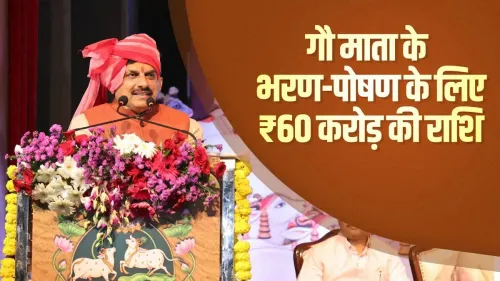
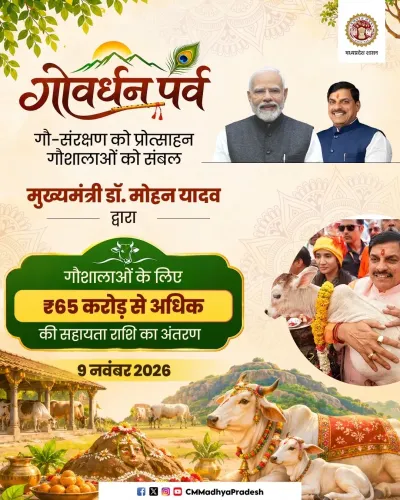
The government transferred approximately ₹60 crore for maintenance of 5.51 lakh cattle in 3,000 registered cow shelters .
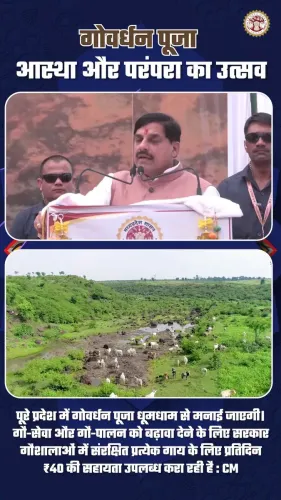
A subsidy of ₹40 per cow is provided under the current scheme.
Under Dr Bhimrao Ambedkar Kamdhenu Yojana , farmers get a 30% subsidy (~ ₹13.86 lakh ) on a ₹42 lakh dairy unit with 25 milch animals.
Madhya Pradesh aims to rise from third to first in national milk production under White Revolution 2.0 .
Animal fairs will be organised statewide to promote improved livestock breeds and modern husbandry practices.
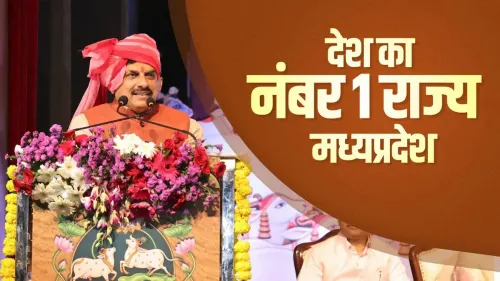
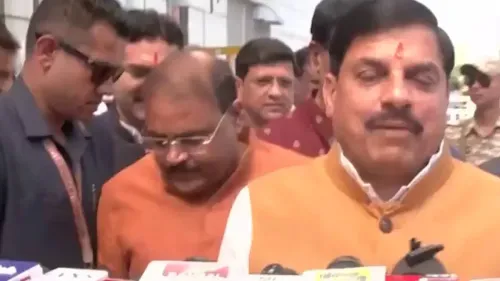
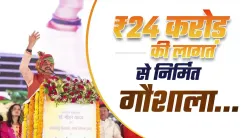
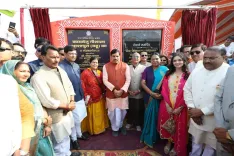
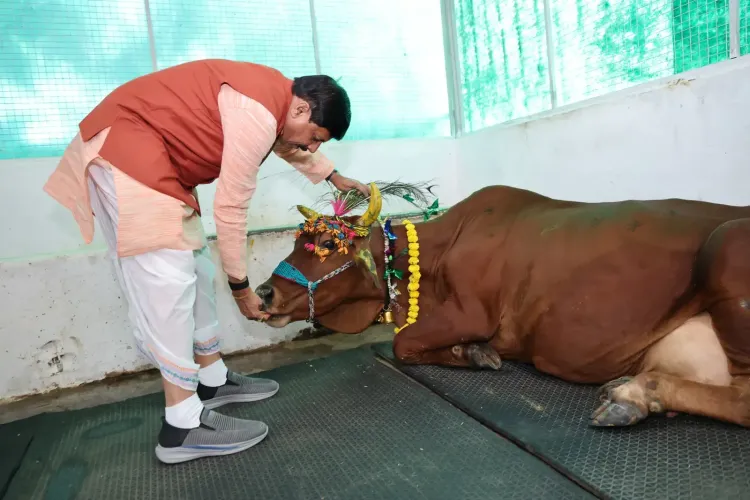
Madhya Pradesh Chief Minister Mohan Yadav on Monday, 9 November 2026 announced that urban local bodies across the state will now operate gaushalas, as the government transferred approximately ₹60 crore for the upkeep of nearly 5.51 lakh cattle sheltered in 3,000 registered cow shelters. The announcement was made at a state event marking Govardhan Puja in Bhopal.
Key Announcements
The state provides a subsidy of ₹40 per cow for the maintenance of cattle in registered shelters. Chief Minister Yadav said the decision to bring urban local bodies into gaushala operations was specifically aimed at improving arrangements for stray cattle, a persistent challenge in Madhya Pradesh's urban areas.
He stressed that the government's mandate extended beyond law, order, and infrastructure. "The government's responsibility is not limited to maintaining law and order or developing infrastructure. It also includes celebrating our festivals with enthusiasm and grandeur," Yadav said.
White Revolution 2.0 and Dairy Push
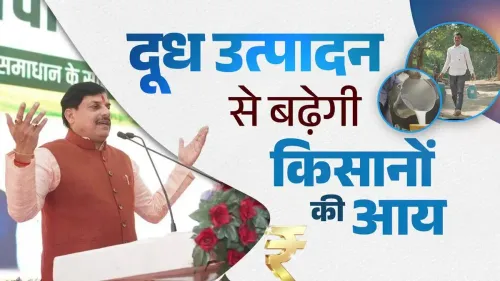
Yadav outlined an ambitious plan under the White Revolution 2.0 initiative, through which Madhya Pradesh aims to move from its current third position among milk-producing states to become the country's top milk producer. The government is enrolling milk producers through cooperative societies at the village level to boost production and strengthen the rural economy.
Under the Dr Bhimrao Ambedkar Kamdhenu Yojana, the government is offering a 30 per cent subsidy of approximately ₹13.86 lakh on a total project cost of around ₹42 lakh for setting up a dairy unit comprising 25 milch cows or buffaloes. This is designed to lower the entry barrier for farmers looking to invest in organised dairy operations.
Diversified Livelihoods for Farmers
Yadav acknowledged the vulnerability of agriculture-dependent households to weather shocks, poor seed quality, and fluctuating yields. He said cattle rearing, dairy farming, fish farming, and goat rearing could serve as reliable supplementary income streams for rural families, reducing their dependence on a single crop cycle.
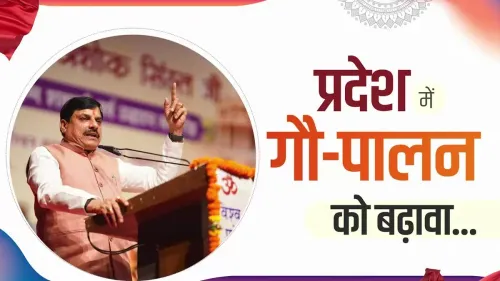
The Chief Minister also announced that animal fairs would be organised across the state to promote improved livestock breeds and acquaint farmers with modern animal husbandry techniques. This comes amid the government's broader push to integrate natural and organic farming — with livestock-derived organic manure positioned as a way to reduce chemical fertiliser use and improve soil fertility.
What Comes Next
With urban local bodies now formally tasked with running gaushalas, implementation will depend on municipalities' administrative capacity and funding flow from the state. The White Revolution 2.0 dairy enrolment drive through cooperative societies is ongoing, and animal fairs are expected to be rolled out across districts in the coming months.
Point of View
While a stated commitment, will need auditable disbursement trails if 5.51 lakh animals across 3,000 shelters are to be meaningfully served. The White Revolution 2.0 target of displacing Gujarat and Uttar Pradesh from the top two spots in milk production is ambitious for a state that has historically lagged on cooperative dairy infrastructure. The Kamdhenu Yojana subsidy is generous on paper, but farmer uptake will hinge on credit access and veterinary support — neither of which was addressed in Monday's announcement.
NationPress
9 Nov 2026
Frequently Asked Questions
Why is Madhya Pradesh having urban local bodies run gaushalas?
Madhya Pradesh CM Mohan Yadav said the move is intended to improve arrangements for stray cattle in urban areas. Urban local bodies will now formally manage gaushala operations across the state, adding an institutional layer to what was previously more informally administered.
How much has the MP government released for cattle maintenance?
The state government transferred approximately ₹60 crore for the upkeep of nearly 5.51 lakh cattle housed in 3,000 registered cow shelters. A per-animal subsidy of ₹40 per cow is provided under the scheme.
What is White Revolution 2.0 in Madhya Pradesh?
White Revolution 2.0 is a state initiative aimed at making Madhya Pradesh the leading milk producer in India, moving up from its current third position. The government is registering milk producers through village-level cooperative societies to scale up dairy output.
What is the Dr Bhimrao Ambedkar Kamdhenu Yojana?
It is a state scheme that provides a 30 per cent subsidy of approximately ₹13.86 lakh on a project cost of around ₹42 lakh for setting up a dairy unit with 25 milch cows or buffaloes. The scheme is designed to lower the investment barrier for farmers entering organised dairy farming.
How does the government plan to support farmer incomes beyond crop farming?
CM Yadav outlined a multi-pronged approach including cattle rearing, dairy farming, fish farming, and goat rearing as supplementary income sources. The government is also promoting organic and natural farming using livestock-derived manure, and plans to hold animal fairs statewide to introduce farmers to improved breeds and modern practices.