Madhya Pradesh Proposes GI Tag for Traditional Millets and Peas

Synopsis
Discover how the Madhya Pradesh government is advocating for the Geographical Indication (GI) tag for three essential crops, including Sitahi Kutki millets, to boost tribal farmers' incomes and preserve traditional agriculture.
Key Takeaways
Madhya Pradesh is seeking a GI tag for Sitahi Kutki, Nagdaman Kutki, and Purple Pigeon Pea.
The initiative is aimed at supporting tribal farmers and preserving traditional agriculture.
Farmers are encouraged to cultivate Kodo and Kutki due to rising demand.
Over 22,000 farmers across multiple districts are participating.
GI recognition will validate the quality of these traditional crops.
Bhopal, March 28 (NationPress) The government of Madhya Pradesh announced on Saturday that it has submitted a proposal to the Geographical Indication (GI) Registry in Chennai for three crops: Sitahi Kutki (millets), Nagdaman Kutki, and Purple Pigeon Pea, for evaluation.
Documentation required for obtaining a GI tag for these unique and traditional crops, primarily grown in the tribal areas of Madhya Pradesh, has been compiled by the Jawaharlal Nehru Agricultural University in Jabalpur.
Officials mentioned that this initiative aims to position Sitahi Kutki as a nationally recognized brand, thus creating new market opportunities.
This move is expected to provide economic advantages to tribal farmers who cultivate this variety of millet.
The government emphasized that farmers in tribal regions are being motivated to maintain and grow traditional crops like Kodo and Kutki, as the demand for these millets has surged, making them financially rewarding.
Under the Rani Durgavati Shri Anna Promotion Scheme, the state government is purchasing Kodo and Kutki millets from farmers at a price of Rs 1,000 per quintal.
More than 22,000 farmers across 16 districts, including Jabalpur, Mandla, Dindori, Chhindwara, Shahdol, Anuppur, Umaria, and Rewa, are involved in this initiative.
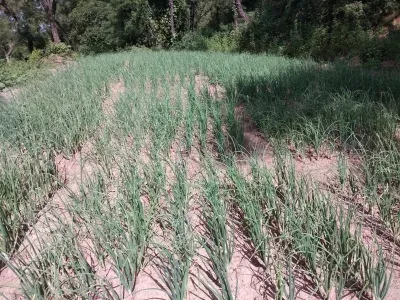
It is important to note that Sitahi Kutki is a native variety of little millet with a growth period of just 60 days. It thrives in rain-fed areas and is suitable for cultivation even under late-sowing conditions.
This crop can be grown on challenging, hilly terrains with poor soil, offering significant income potential for farmers from the Baiga and Gond tribes in Dindori.
Likewise, Nagdaman Kutki is a unique local variety of Kutki millet specifically cultivated in Dindori and other tribal areas. It is well-known for its medicinal benefits and outstanding nutritional profile.
The government highlighted that receiving the GI tag will provide formal recognition that the crop meets established quality standards.
Point of View
The proposal by the Madhya Pradesh government to secure Geographical Indication tags for these traditional crops represents a significant effort to promote indigenous agricultural practices and enhance the economic prospects of tribal farmers. It reflects a commitment to preserving local heritage while responding to market demands.
NationPress
27 Sept 2026
Frequently Asked Questions
What crops are being proposed for GI tagging?
The crops proposed for the Geographical Indication tag include Sitahi Kutki millets, Nagdaman Kutki, and Purple Pigeon Pea.
Why is the GI tag important?
A GI tag helps to establish a product's authenticity and quality, protecting it from imitation and enhancing its market value.
Who prepared the documentation for the GI tag?
The necessary documents for the GI tag proposal were prepared by Jawaharlal Nehru Agricultural University in Jabalpur.
How much are farmers paid for Kodo and Kutki millets?
Farmers are being paid Rs 1,000 per quintal for Kodo and Kutki millets under the Rani Durgavati Shri Anna Promotion Scheme.
What is the significance of Sitahi Kutki?
Sitahi Kutki is an indigenous millet variety known for its short growth period and suitability for challenging terrains, providing income opportunities for tribal farmers.