Mukundpur White Tiger Safari to double in size by 2046 under MP expansion plan
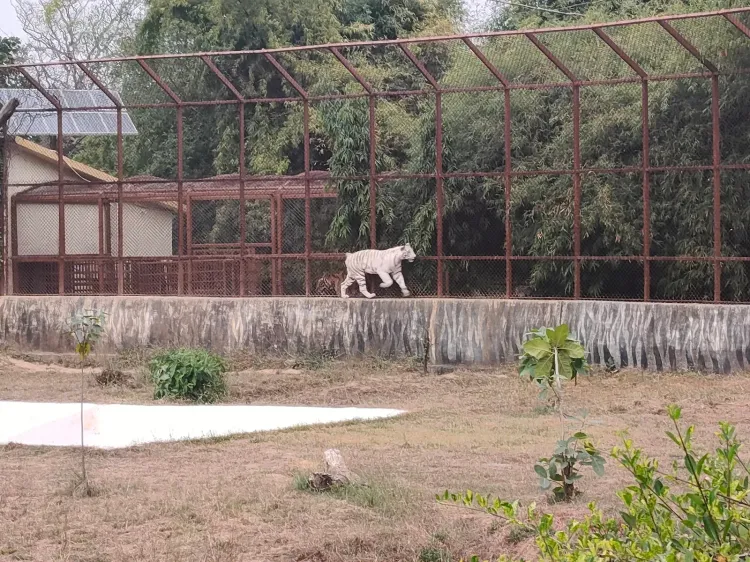
Synopsis
India's only dedicated White Tiger Safari, born from the legendary Rewa lineage, is set for its most ambitious overhaul yet. Madhya Pradesh plans to nearly double Mukundpur's area to 241.86 hectares by 2046, adding breeding centres, rescue facilities, and an education hub — a bet that conservation and eco-tourism can drive growth across the historically underserved Vindhya region.
Key Takeaways
Madhya Pradesh plans to expand Mukundpur White Tiger Safari in Rewa district from 121.99 hectares to 241.86 hectares — an addition of 119.87 hectares .
The master plan covers the period 2026-27 to 2045-46 , making it a 20-year phased expansion.
Deputy Chief Minister Rajendra Shukla reviewed the plan on 27 July 2025 and directed time-bound implementation under CZA guidelines.
Expansion includes naturalistic enclosures, conservation breeding centres, wildlife rescue facilities, and an interactive education centre.
The safari, inaugurated in 2016 , is India's first dedicated White Tiger Safari, preserving the rare lineage from the erstwhile Rewa princely state .
The project is expected to generate employment and boost eco-tourism across the Vindhya region .
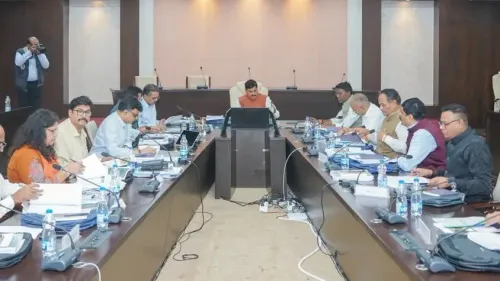
Madhya Pradesh has announced a major expansion of the Mukundpur White Tiger Safari in Rewa district, with a master plan to nearly double its area over the next two decades and position it as a world-class centre for wildlife conservation, breeding, and eco-tourism. The plan, reviewed at the state secretariat on Monday, 27 July 2025, was directed for time-bound implementation by Deputy Chief Minister Rajendra Shukla.
Scale of the Expansion
According to the master plan covering the period 2026-27 to 2045-46, the safari's footprint will grow from its current 121.99 hectares to 241.86 hectares — an addition of 119.87 hectares. The expanded facility is envisaged to include modern naturalistic animal enclosures, conservation breeding centres, wildlife rescue infrastructure, world-class visitor amenities, and an interactive education centre.
Shukla directed officials to ensure all development aligns with the guidelines of the Central Zoo Authority (CZA), with particular emphasis on animal welfare, habitat-based enclosure design, environmental sustainability, and efficient visitor management.
What the Government Said
'The expansion of the Mukundpur White Tiger Safari is not only important from the tourism perspective but will also provide a new direction to wildlife conservation, biodiversity enhancement, research and public awareness in Madhya Pradesh,' Deputy Chief Minister Rajendra Shukla said in a statement.
Shukla further described the safari as a 'unique identity of Madhya Pradesh' and said it should emerge as a nationally recognised centre for wildlife conservation and eco-tourism. He stressed that the master plan must be executed in strict accordance with CZA standards.
Why Mukundpur Matters
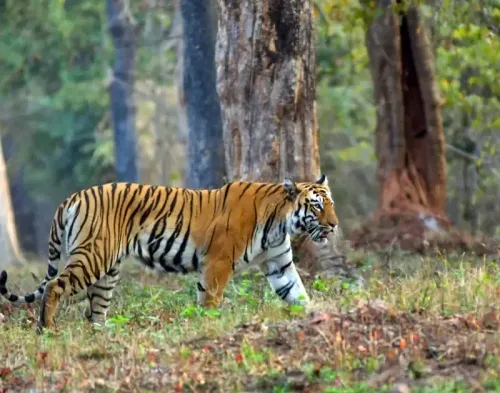
The Mukundpur White Tiger Safari holds a singular place in India's conservation history. It was established to preserve the rare white tiger lineage that originated in the erstwhile Rewa princely state — the region where white tigers were first documented in the wild. Inaugurated in 2016, it is India's first dedicated White Tiger Safari.
Beyond its conservation mandate, the facility has functioned as a significant tourist draw and a platform for wildlife education and public awareness, cementing its status as one of Madhya Pradesh's flagship wildlife destinations. This expansion is the most ambitious upgrade since the safari's inception.
Economic and Regional Impact
The project is expected to boost eco-tourism activity and generate employment opportunities across the broader Vindhya region, which has historically lagged behind other parts of Madhya Pradesh in tourism infrastructure. Officials indicated the expansion has been designed to strengthen scientific wildlife management while simultaneously improving the visitor experience.
With the CZA master plan now under active review, the state government is expected to begin phased implementation in the near term, with the full build-out targeted for completion by 2045-46.
Point of View
But the 20-year timeline is long enough to outlast multiple state governments — and CZA-aligned master plans in India have a mixed record of phased execution. The real test will be whether the breeding and rescue infrastructure is genuinely functional or primarily decorative for tourism. Rewa's white tiger lineage is irreplaceable; if the expansion prioritises visitor throughput over genetic management rigour, it risks repeating the mistakes of older Indian zoos that called themselves conservation centres without the science to back it up. The Vindhya region's economic case for the project is sound, but accountability mechanisms for the 20-year rollout are conspicuously absent from the current announcement.
NationPress
25 Oct 2026
Frequently Asked Questions
What is the Mukundpur White Tiger Safari expansion plan?
Madhya Pradesh has approved a master plan to expand the Mukundpur White Tiger Safari in Rewa district from 121.99 hectares to 241.86 hectares between 2026-27 and 2045-46. The expanded facility will include conservation breeding centres, wildlife rescue infrastructure, naturalistic enclosures, and an interactive education centre, all developed in line with Central Zoo Authority guidelines.
Where is the Mukundpur White Tiger Safari located?
The Mukundpur White Tiger Safari is located in Rewa district, Madhya Pradesh. It was established to preserve the white tiger lineage that originated in the erstwhile Rewa princely state and was inaugurated in 2016 as India's first dedicated White Tiger Safari.
Who announced the Mukundpur Safari expansion and when?
Deputy Chief Minister Rajendra Shukla announced the expansion plan on 27 July 2025 after reviewing the master plan at the state secretariat. He directed officials to implement the project in a time-bound manner in accordance with Central Zoo Authority standards.
How will the expansion benefit the Vindhya region?
The project is expected to boost eco-tourism and generate employment opportunities across the Vindhya region of Madhya Pradesh. Officials have indicated the expansion will strengthen scientific wildlife management while improving visitor experience, making Rewa a more prominent destination on the national tourism map.
Why is the white tiger lineage at Mukundpur historically significant?
The white tigers at Mukundpur trace their lineage to the Rewa princely state, where white tigers were first documented in the wild. The safari was specifically established to preserve this rare genetic line, making it unique among Indian wildlife facilities and giving it national conservation significance beyond its role as a tourist attraction.