Do Clerics and Muslim Leaders in MP Oppose MHA’s New National Anthem Guidelines?

Synopsis
As the Madhya Pradesh government enforces the Centre’s directive mandating the recitation of the national song 'Vande Mataram', Muslim leaders and clerics are voicing their opposition. They argue that the order infringes on their religious freedoms. With tensions rising, this issue raises critical questions about the intersection of national identity and religious beliefs.
Key Takeaways
Opposition from Muslim clerics: Many religious leaders express strong objections to the recitation of 'Vande Mataram', viewing it as a violation of religious freedom.
Political implications: The issue has significant political ramifications, as it challenges the intersection of national identity and religious beliefs.
Legal context: Article 25 of the Constitution protects the right to religious freedom, which leaders argue is being compromised.
Government stance: The Madhya Pradesh government is firmly implementing the directive despite the backlash.
Community response: Voices from within the Muslim community emphasize a need for respect and understanding regarding their religious practices.
Bhopal, Feb 14 (NationPress) In light of the recent announcement by the Bharatiya Janata Party-led Madhya Pradesh government regarding the implementation of the Union Home Ministry’s guidelines for the mandatory recitation of the national song ‘Vande Mataram’, prominent leaders from the Muslim community, including religious figures, have voiced strong objections to this decision.
Imams from various regions of Madhya Pradesh have begun to express their dissent, labeling the Centre’s new directives as “unconstitutional and against religious freedom.” Clerics have aligned their views with those of the All-India Muslim Personal Law Board (AIMPLB).
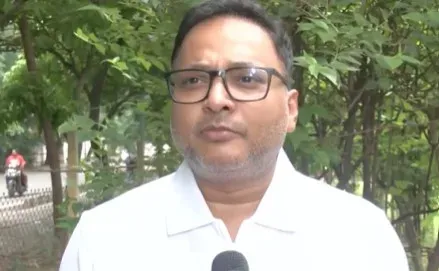
Ujjain’s Imam Maulana Syed Nasir Ali Nadvi commented on the recitation of ‘Vande Mataram’, stating that anyone who recites it agrees to honor the motherland. Thus, individuals of the Islamic faith cannot accept this, as Islam forbids the worship of anything other than Allah.
“The national song Vande Mataram explicitly states that we honor the motherland. Therefore, Islam does not allow us to worship anyone alongside Allah or to include anyone else in our prayer practices,” Maulana Syed Nasir Ali Nadvi remarked in a conversation with IANS on Saturday.
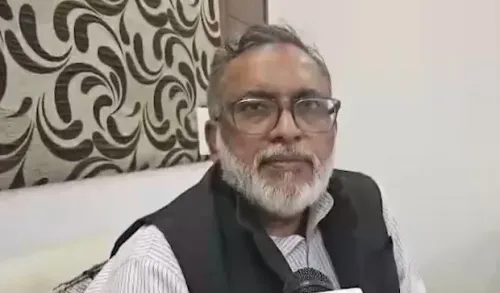
In a similar vein, when IANS reached out to Bhopal’s Quazi Maulana Syed Mushtaq Ali Nadwi, he affirmed, “My stance aligns with that of the All-India Muslim Personal Law Board.”
Political leaders from the Muslim community have also criticized the Centre’s directive mandating the recitation of all six stanzas of ‘Vande Mataram’.
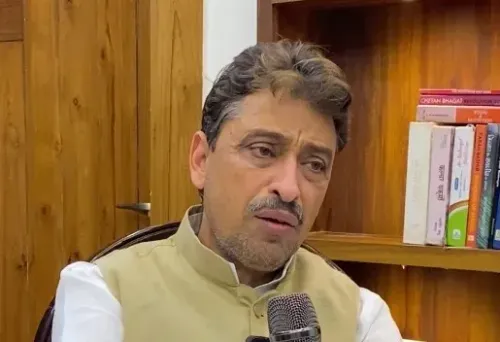
Congress MLA Arif Masood, a prominent advocate for the Muslim community in Madhya Pradesh politics, emphasized that this issue transcends respect for the national anthem and delves into the realm of religious freedom protected under Article 25 of the Constitution.
“India is a democratic nation. While there is no debate about honoring Vande Mataram, our concern lies with certain lines that we believe infringe upon religious freedoms,” said Masood, who represents the Bhopal Centre Assembly constituency.
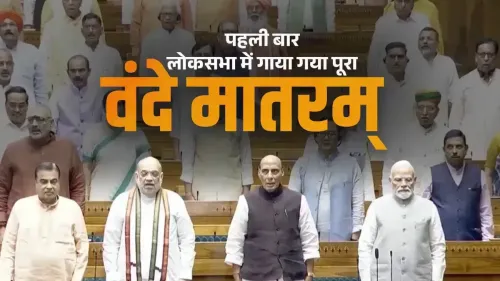
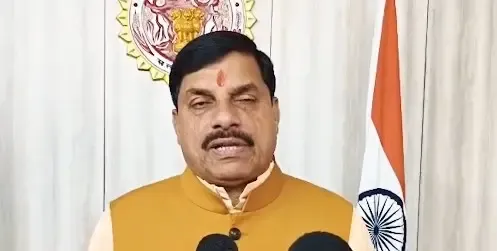
Madhya Pradesh Chief Minister Mohan Yadav announced on Thursday that the Centre's directive mandating the performance of all six stanzas of the national song 'Vande Mataram' at official events is being implemented “with immediate effect.”
“Under the esteemed leadership of Prime Minister Narendra Modi ji, the Home Ministry has resolved to honorably perform all six stanzas of 'Vande Mataram' prior to the national anthem 'Jana Gana Mana'. We are executing this in Madhya Pradesh,” Chief Minister Yadav stated.
Point of View
This situation underscores the delicate balance between national identity and religious liberties in a diverse society. The push for mandatory recitation of 'Vande Mataram' raises essential questions about inclusivity and respect for various beliefs in India's constitutional framework.
NationPress
19 Sept 2026
Frequently Asked Questions
What are the new guidelines regarding 'Vande Mataram'?
The new guidelines mandate the recitation of all six stanzas of the national song 'Vande Mataram' at official government functions.
Why are Muslim leaders opposing these guidelines?
Muslim leaders argue that the recitation of 'Vande Mataram' compromises their religious beliefs, as Islam does not permit the worship of anyone other than Allah.
What constitutional rights are being invoked in this opposition?
'Article 25 of the Constitution guarantees the freedom of religion, which Muslim leaders believe is being infringed upon by these new guidelines.
How has the Madhya Pradesh government responded?
Madhya Pradesh Chief Minister Mohan Yadav stated that the directive is being implemented immediately, emphasizing respect for the national song.
What does the All-India Muslim Personal Law Board say about this issue?
The All-India Muslim Personal Law Board has voiced similar objections, supporting the stance taken by various clerics against the recitation of 'Vande Mataram'.