Coffees of Nagaland: Scindia launches ₹175 crore coffee mission
Synopsis
With ₹175 crore and a 'Whole of India' mandate, the Coffees of Nagaland mission is a rare attempt to build a fully integrated premium coffee economy in the North East — from farm clusters in Kohima and Niuland to international shelf space — anchoring farmer income to global specialty markets rather than commodity pricing.
Key Takeaways
Jyotiraditya Scindia launched the Coffees of Nagaland mission on 18 May 2025 in New Delhi.
The mission carries an outlay of ₹175 crore to build a premium, traceable single-origin coffee economy in Nagaland.
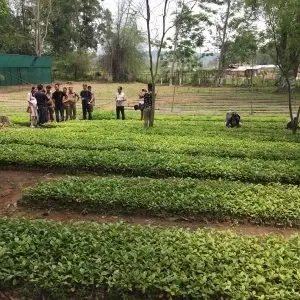
Two pilot clusters identified: Tuophema village (Kohima district) for Arabica and Ghotovi village (Niuland district) for Robusta coffee.
Focus areas include organic certification , GI tagging , digital traceability, and specialty coffee tourism.
Minister of State Sukanta Majumdar said GI tagging and traceability will improve access to premium international markets.
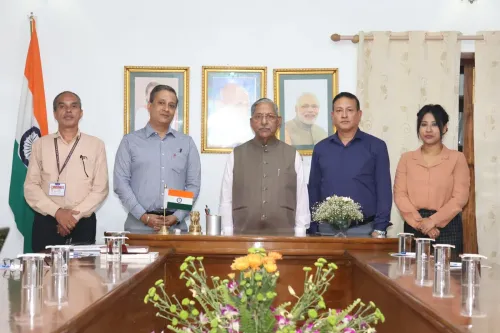
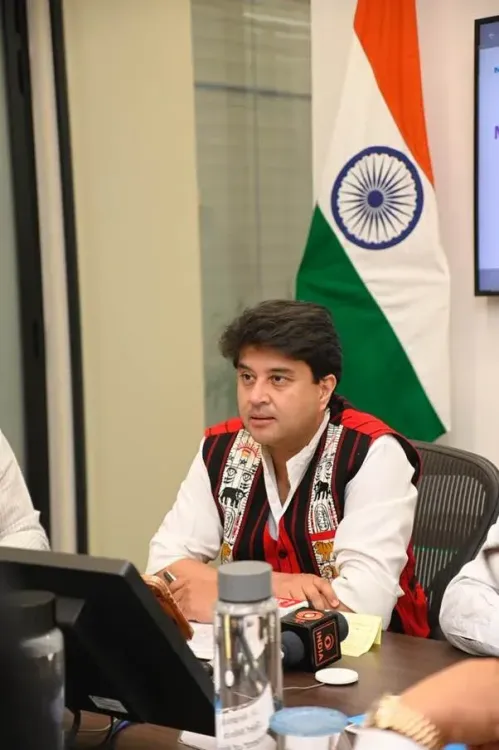
Union Minister for Development of North Eastern Region Jyotiraditya Scindia on Monday, 18 May launched the Cluster-based Coffee Value Chain Development Mission for Nagaland in New Delhi, describing the initiative as 'not merely a Whole of Government approach, but truly a Whole of India approach.' The mission, branded 'Coffees of Nagaland', carries an outlay of ₹175 crore and aims to position Nagaland as a premium, traceable single-origin coffee economy with both domestic and international market presence.
What the Mission Covers
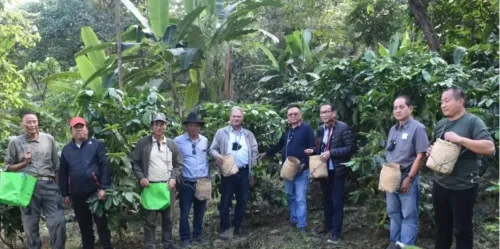
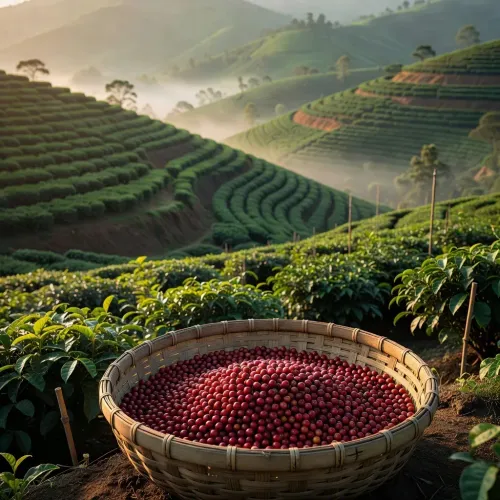
The initiative adopts a cluster-based model, with two pilot clusters identified: Tuophema village in Kohima district for Arabica coffee cultivation, and Ghotovi village in Niuland district for Robusta coffee. According to Scindia, the mission addresses gaps across the entire coffee value chain by integrating plantation development, post-harvest processing, branding, marketing, export promotion, tourism, traceability, and capacity building.
The Whole of India Vision
Scindia said the mission was conceptualised under Prime Minister Narendra Modi's vision of making farmers active stakeholders across the agricultural value chain — not merely raw producers. The platform brings together governments, ministries, farmers, entrepreneurs, processors, branding experts, exporters, and market leaders under a single framework. This represents one of the more ambitious attempts to integrate the North East into India's premium agri-export ecosystem.
Brand North East and Coffee Tourism
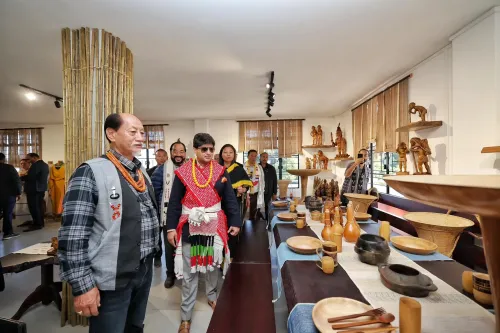
The government envisions building a strong 'Brand North East' through the Coffees of Nagaland initiative, backed by media campaigns, participation in trade fairs, and experiential coffee tourism. The project will also promote coffee farm-stays and farm-to-cup tourism experiences in the pilot clusters, helping position Nagaland as a niche destination for specialty coffee tourism.
'The real success of the mission will be when Coffees of Nagaland secure premium shelf space in domestic and international markets while ensuring higher and sustainable incomes for coffee-growing communities,' Scindia said.
Organic Certification and GI Tagging
Minister of State Sukanta Majumdar highlighted that the programme's focus on organic certification, GI tagging, and digital traceability would boost farmer incomes and improve access to premium international markets. These measures are designed to differentiate Nagaland's coffee from mass-market competitors and command higher price points globally.
What Comes Next
With the two pilot clusters now identified, implementation work is expected to begin across plantation development and processing infrastructure. The broader rollout will hinge on how effectively the multi-stakeholder platform — spanning central ministries, state government, and private market players — can coordinate on the ground. If the pilot clusters deliver measurable income gains for farmers, the model could be extended to other North Eastern states with untapped specialty coffee potential.
Point of View
But its real test lies in execution across a complex multi-stakeholder chain that has historically struggled with last-mile coordination in the North East. GI tagging and organic certification are necessary but not sufficient — premium international buyers demand consistent quality and supply, which requires sustained post-harvest infrastructure investment beyond the pilot phase. Notably, Nagaland's coffee sector remains nascent compared to established single-origin markets in Coorg or Araku, meaning brand-building will take years, not months. The farm-to-cup tourism angle is genuinely differentiated and could accelerate premium positioning if the state's connectivity improves in parallel.
NationPress
6 Oct 2026
Frequently Asked Questions
What is the Coffees of Nagaland mission?
Coffees of Nagaland is a ₹175 crore Cluster-based Coffee Value Chain Development Mission launched on 18 May 2025 by Union Minister Jyotiraditya Scindia. It aims to transform Nagaland into a premium, traceable single-origin coffee economy with domestic and global market presence.
Which areas are the pilot clusters for the mission?
Two pilot clusters have been identified: Tuophema village in Kohima district for Arabica coffee cultivation, and Ghotovi village in Niuland district for Robusta coffee cultivation.
How will the mission benefit Nagaland's coffee farmers?
The mission integrates plantation development, post-harvest processing, GI tagging, organic certification, digital traceability, and export promotion to help farmers move beyond raw production and earn higher, sustainable incomes from premium markets.
What is the role of GI tagging in the Coffees of Nagaland initiative?
GI (Geographical Indication) tagging, along with organic certification and digital traceability, is intended to differentiate Nagaland's coffee in international markets and command premium pricing. Minister of State Sukanta Majumdar specifically highlighted these as key tools for boosting farmer incomes.
How does this mission fit into the broader Brand North East strategy?
The Coffees of Nagaland mission is positioned as a flagship component of the government's 'Brand North East' push, supported by media campaigns, trade fair participation, and specialty coffee tourism — including farm-stays and farm-to-cup experiences in the pilot clusters.