Nagaland's 27th Hornbill Festival 2026 set for Kisama, Dec 1-10
Synopsis
Nagaland has kicked off preparations for the 27th Hornbill Festival, set for December 1-10 at Kisama — a 10-day celebration uniting all 17 Naga tribes, drawing foreign nations, and featuring over 300 events. With CM Neiphiu Rio personally chairing coordination meetings, the state is signalling this edition will be its most ambitious yet.
Key Takeaways
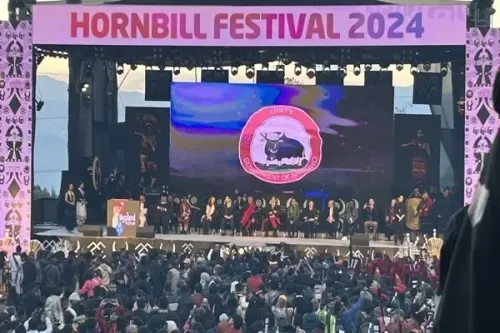
Nagaland's 27th Hornbill Festival will be held from 1 to 10 December 2026 at Naga Heritage Village, Kisama , approximately 12 km from Kohima .
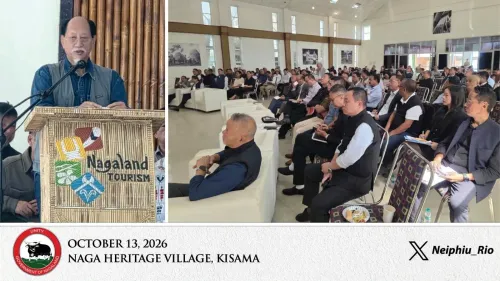
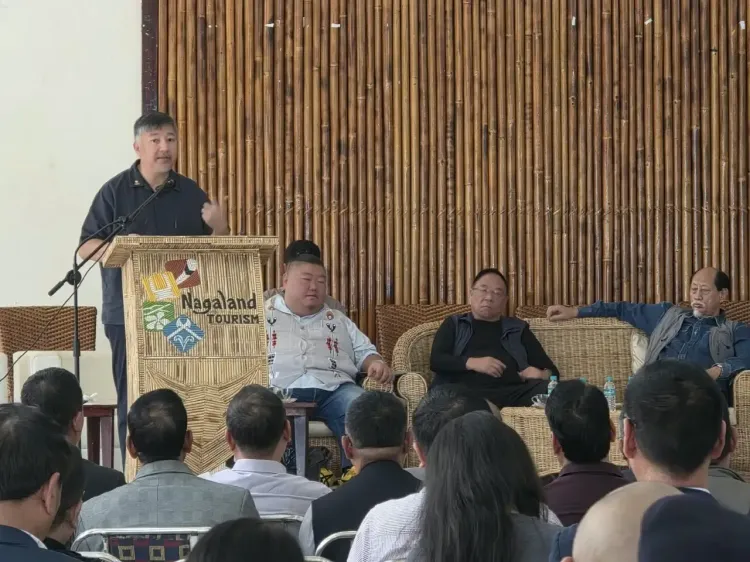
Chief Minister Neiphiu Rio chaired a preparatory meeting at Bamboo Hall, Kisama , stressing infrastructure, cleanliness, and community responsibility.
The festival now features over 300 events across dozens of venues, having grown from an original three-day event to a 10-day format.
Several countries are expected to participate; one Northeastern state will serve as the 'Partner State' this year.
The festival unites all 17 major tribes of Nagaland and is described as a key economic engine for the state, per Advisor Abu Metha .
Tourism Minister Temjen Imna Along highlighted rising foreign dignitary interest and growing popularity of mini-Hornbill festivals.
Nagaland has launched preparations for the 27th edition of the Hornbill Festival, the state's flagship cultural showcase, scheduled to run from 1 December to 10 December 2026 at the Naga Heritage Village, Kisama, approximately 12 km south of the state capital Kohima. The announcement was made by officials on Wednesday, 14 October 2026, coinciding with early-stage coordination meetings ahead of the 10-day extravaganza.
Key Preparations Underway
Chief Minister Neiphiu Rio chaired a preparatory meeting at Bamboo Hall in Kisama, calling for coordinated efforts among government departments and local communities. He stressed the importance of reliable infrastructure — including good roads, stable power and water supply, security arrangements, traffic management, cleanliness, adequate parking, and public conveniences — ahead of the festival.
Rio also urged villages situated along or near state highways to take ownership of keeping roads clean, emphasising collective responsibility as a cornerstone of the event's success.
Scale and Significance of the Festival
Advisor to the Chief Minister, Abu Metha — who also serves as Chairman of the Investment & Development Authority of India (IDAN) — described the Hornbill Festival as Nagaland's 'valuable intellectual property' and a critical platform for international engagement and economic activity. He noted that the festival, which originally began as a three-day event, was progressively expanded to five days and then to its current 10-day format.
Today, the festival features more than 300 events across dozens of venues throughout the state, drawing visitors from across India and the world. Metha also called for the festival to serve as a model for sustainable event management, citing rainwater harvesting, proper waste disposal, and the use of renewable energy as priorities.
International and Cultural Dimensions
Tourism Minister Temjen Imna Along highlighted the growing popularity of mini-Hornbill festivals and the increasing interest of foreign dignitaries in participating in the celebrations. This year's edition is expected to see participation from several countries, while one of the Northeastern states will feature as the 'Partner State'.
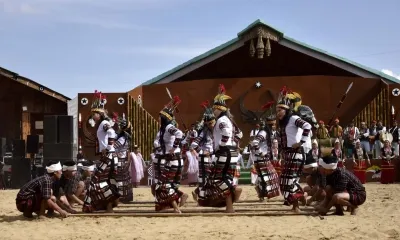
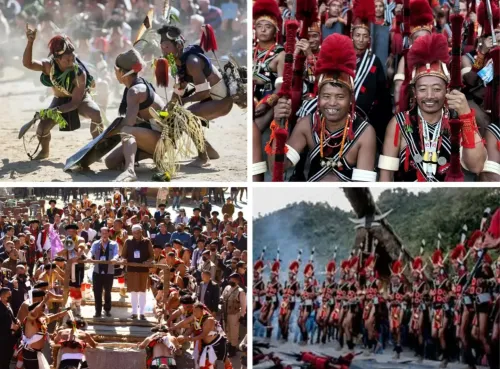
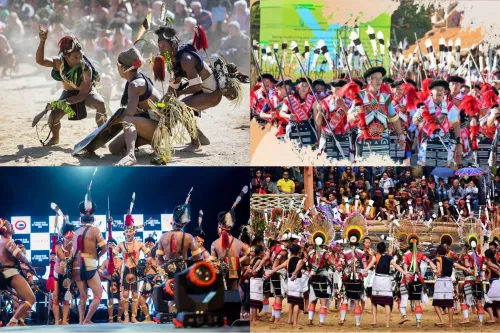
Named after the hornbill — a bird deeply revered in Naga folklore — the festival brings together all 17 major tribes of Nagaland and their sub-tribes. According to the 2011 Census, over 86% of Nagaland's approximately two million population belong to tribal communities. The festival's core objective is to preserve and promote these enduring traditions while offering visitors an immersive cultural experience.
What Visitors Can Expect
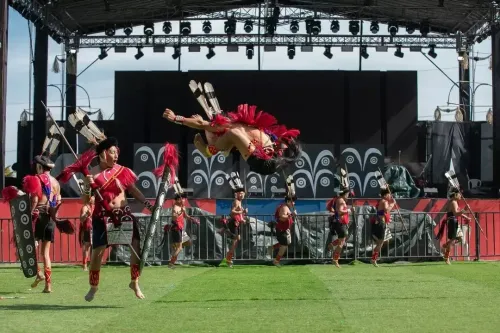
Festival highlights include the Naga Morungs exhibition, traditional arts such as wood carving, painting, and sculpture, indigenous sports including Naga wrestling and traditional archery, food and herbal medicine stalls, flower shows, cultural medleys, fashion shows, beauty pageants, and live musical concerts. Business and investment opportunities will also be spotlighted through industry roundtables during the 10-day programme.
Celebrated widely as the 'Festival of Festivals', Hornbill remains one of India's most prominent cultural tourism events and a significant economic engine for the state. With preparations beginning more than six weeks in advance, the 27th edition is shaping up to be the largest yet.
Point of View
Yet it remains underreported in national coverage dominated by metro cultural events. The push for sustainable event management and international partnerships signals a maturing ambition — Nagaland wants Hornbill to be not just a tourism draw but an annual economic summit dressed in cultural colours. The real test, as preparations begin, is whether the infrastructure promises made in coordination meetings actually materialise on the ground: past editions have seen logistical gaps that dilute the visitor experience and limit repeat tourism. If the state can close that execution gap, the 27th edition could genuinely redefine how India's tribal cultural heritage is presented to the world.
NationPress
14 Oct 2026
Frequently Asked Questions
When and where is the Hornbill Festival 2026?
The 27th Hornbill Festival 2026 will be held from 1 to 10 December 2026 at the Naga Heritage Village in Kisama, about 12 km south of Kohima, Nagaland. It coincides with Nagaland's Statehood Day on December 1.
What is the Hornbill Festival and why is it significant?
The Hornbill Festival is Nagaland's premier cultural event, bringing together all 17 major tribes of the state to showcase traditional dances, music, attire, food, indigenous sports, and arts. Described as the 'Festival of Festivals', it is one of India's most prominent cultural tourism events and a major economic driver for the state.
How many events are featured at the Hornbill Festival?
The festival now features over 300 events across dozens of venues throughout Nagaland. It started as a three-day event and has since expanded to its current 10-day format, according to IDAN Chairman Abu Metha.
Which countries and states will participate in Hornbill Festival 2026?
Several countries are expected to participate in the 2026 edition, and one Northeastern state will feature as the 'Partner State'. Specific names had not been announced as of the preparatory meeting on 14 October 2026.
What are the major highlights of the Hornbill Festival?
Key highlights include the Naga Morungs exhibition, traditional archery, Naga wrestling, indigenous games, wood carving, sculpture, food and herbal medicine stalls, flower shows, fashion shows, beauty pageants, cultural medleys, and live musical concerts. Business roundtables on investment opportunities are also held during the 10-day event.