CM Rio Reviews Dept Readiness for 27th Hornbill Festival
Synopsis
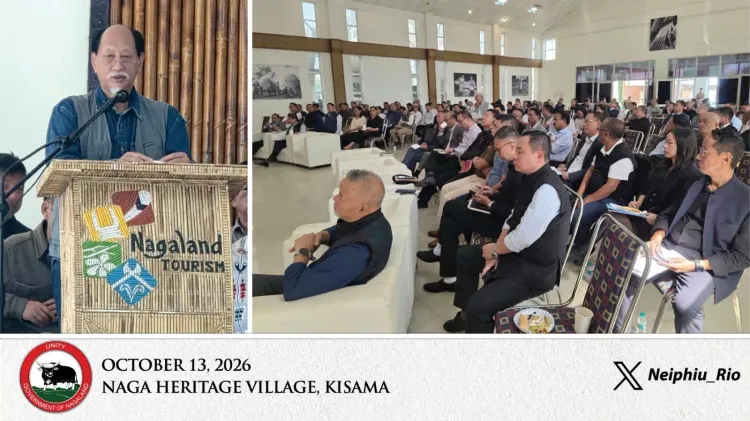
Nagaland Chief Minister Neiphiu Rio held an inter-departmental review on October 13 to assess preparations for the 27th Hornbill Festival, urging all line and sectoral departments to align on coordinated planning ahead of the December cultural showcase at Kisama Heritage Village.
Key Takeaways
CM Neiphiu Rio chaired a review meeting on October 13, 2026 with all line and sectoral departments for the 27th Hornbill Festival.
Rio stressed the importance of 'coordinated planning and collective efforts' for a smooth festival.
The Hornbill Festival is held annually at Kisama Heritage Village , near Kohima, and was launched in 2000 .
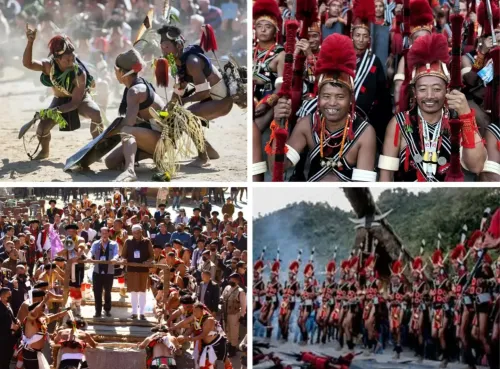
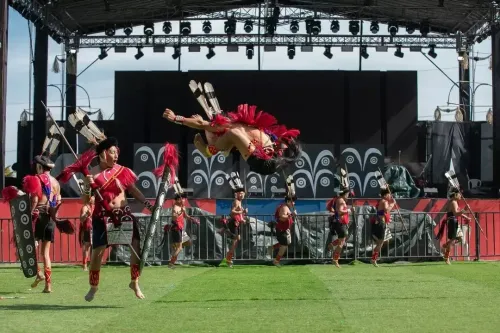
The festival celebrates the heritage, music, dance and crafts of Nagaland's tribal communities each December.
An early October review signals the state government's intent to resolve inter-departmental logistics well ahead of December.
With December approaching and Nagaland's most celebrated cultural showcase on the horizon, Chief Minister Neiphiu Rio chaired a comprehensive review meeting on Tuesday, October 13 — bringing every line and sectoral department to the table to stress-test preparedness for the 27th edition of the Hornbill Festival.
What Rio told his departments
The Chief Minister's message was direct: coordinated planning is non-negotiable. Rio 'emphasised the importance of coordinated planning and collective efforts to ensure the smooth and successful conduct of the Festival,' signalling that inter-departmental alignment — not last-minute scrambling — must define this year's run-up. Multiple agencies, from tourism and transport to security and infrastructure, were in the room.
Why the 27th edition carries weight
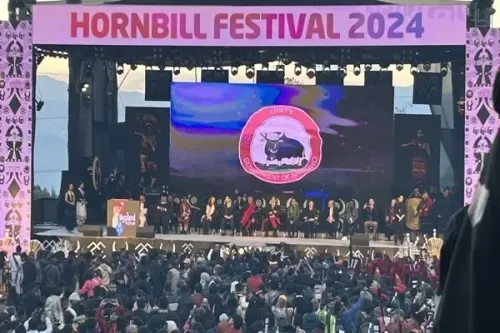
The Hornbill Festival, held annually at Kisama Heritage Village on the outskirts of Kohima, is Nagaland's flagship platform for tribal culture — a ten-day immersion in music, dance, crafts, food and indigenous traditions drawn from the state's sixteen-plus tribes. Launched by the Nagaland government in 2000, it has grown into one of Northeast India's most-watched cultural events, drawing domestic and international visitors alike and anchoring the state's tourism economy each December.
Successive state governments have treated the festival as a full-of-government exercise, and Rio's pre-October review signals an earlier-than-usual push to iron out logistics before the festive calendar gets crowded.
The coordination challenge behind the spectacle
Running an event of this scale across Kisama Heritage Village demands synchronised action — venue readiness, road and transport planning, artist coordination across tribes, hospitality infrastructure, and a visible security footprint. Each department carries a slice of that burden, which is precisely why a single review meeting pulling everyone together matters. Gaps identified now translate into smoother execution on the ground in December.
For tribal communities whose heritage is the festival's heartbeat, the quality of that execution is personal — not administrative. Rio's emphasis on 'collective efforts' signals an awareness that the event is bigger than any single ministry's brief.
Point of View
Drawing national and international attention to a region that benefits enormously from positive visibility. For Rio's NDPP government, a seamless 27th edition also carries political value: culture and tourism are among the few arenas where Nagaland can project success independent of the long-running political negotiations that define much of its governance narrative. Getting the departments aligned early is less about administrative routine and more about protecting a brand.
NationPress
13 Oct 2026
Frequently Asked Questions
When is the Hornbill Festival 2026?
The Hornbill Festival is typically held in the first week of December. Exact dates for the 27th edition in 2026 have not yet been officially confirmed.
Where is the Hornbill Festival held?
The Hornbill Festival is held at Kisama Heritage Village, located about 12 km from Kohima, the capital of Nagaland.
What is the Hornbill Festival about?
The Hornbill Festival is an annual state-level event launched in 2000 that celebrates Nagaland's tribal heritage through music, dance, crafts, food and cultural performances by the state's multiple tribes.
Why did CM Rio hold a meeting for the Hornbill Festival?
Chief Minister Neiphiu Rio held the review to assess preparedness across all line and sectoral departments, emphasising the need for coordinated planning to ensure the smooth conduct of the 27th edition.
Who organises the Hornbill Festival in Nagaland?
The Hornbill Festival is organised by the Nagaland state government, with multiple departments — including tourism, transport, security and infrastructure — coordinating under the Chief Minister's oversight.