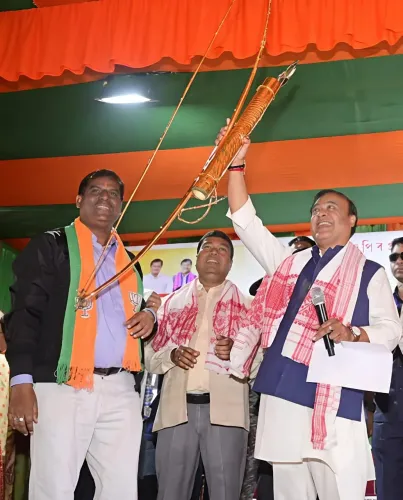
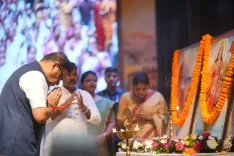
Namghar opens in Pune: Himanta Sarma hails Assam-Maharashtra cultural unity
Synopsis
A Namghar — the iconic Neo-Vaishnavite community-prayer hall of Assam — has opened in Pune, with Chief Minister Himanta Biswa Sarma hailing it as a living bridge between the spiritual traditions of Srimanta Sankardev and Maharashtra's own saint-poets Dnyaneshwar and Tukaram. For Assamese communities in Maharashtra, it is both a cultural anchor and a statement of identity beyond the northeast.
Key Takeaways
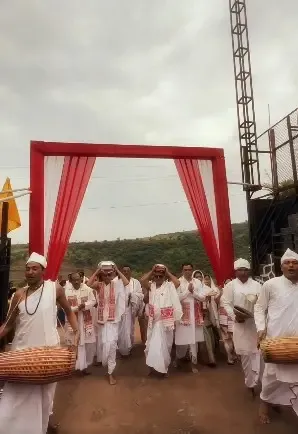
Assam Chief Minister Himanta Biswa Sarma welcomed the inauguration of a Namghar in Pune, Maharashtra on 7 October 2026 .
Sarma drew a spiritual parallel between Srimanta Sankardev of Assam and Maharashtra saints Sant Dnyaneshwar and Sant Tukaram Maharaj , noting shared values of devotion and social harmony.
The Sarhad organisation was credited by Sarma for spearheading the establishment of the Namghar in Pune.
Namghars originate from Assam's Neo-Vaishnavite movement and serve as combined centres of worship, community participation, and cultural activity.
The Pune Namghar is expected to host regular cultural programmes and Assamese language initiatives for diaspora communities.
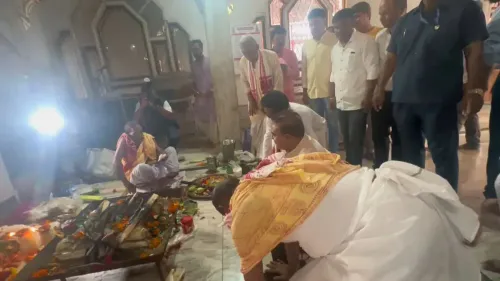
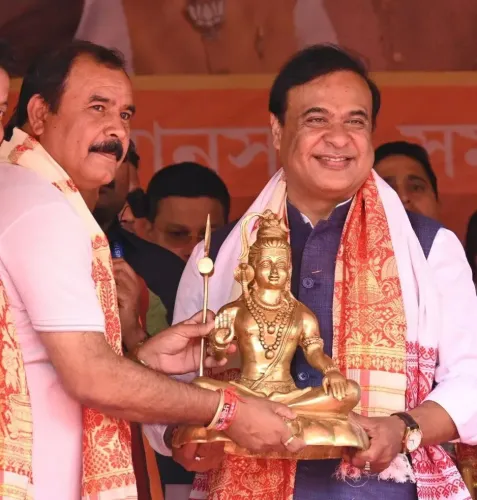
Assam Chief Minister Himanta Biswa Sarma on Wednesday, 7 October 2026, welcomed the inauguration of a Namghar in Pune, Maharashtra, calling it a powerful symbol of how Assam's spiritual and cultural traditions are taking root well beyond the state's borders. The development was greeted with wide appreciation among Assamese communities settled in Maharashtra.
What Is a Namghar and Why It Matters
A Namghar is far more than a prayer hall. Rooted in the Neo-Vaishnavite movement launched by Srimanta Sankardev in 15th-century Assam, Namghars have historically served as combined centres of worship, community dialogue, and cultural activity. They remain among the most distinctive institutions in Assamese social life, functioning as gathering spaces where spiritual discourse and civic participation converge.
The establishment of one in Pune — a city with a significant migrant population from across India — signals the tradition's growing reach outside the northeast.
Sarma's Remarks on the Inauguration
Taking to X (formerly Twitter), Chief Minister Sarma described the occasion as a convergence of complementary spiritual philosophies. He drew a direct parallel between the teachings of Srimanta Sankardev of Assam and two of Maharashtra's most revered saints — Sant Dnyaneshwar and Sant Tukaram Maharaj — noting that all three centred on devotion, harmony, and social unity.
'A heartwarming feeling to see the traditions of Assam find a home in Pune, Maharashtra,' Sarma said in his post.
He added: 'Seeing the Namghar bring the people of Assam and Maharashtra closer is a moment of great joy and pride.'
The Sarhad Organisation's Role
Chief Minister Sarma extended his congratulations to the Sarhad organisation, crediting it with taking the initiative to establish the Namghar in Pune. Sarhad, known for its work in promoting cultural integration across regional communities, facilitated the entire project. The Chief Minister's public acknowledgement of the organisation underscored the collaborative nature of the effort.
Broader Significance: Assam-Maharashtra Cultural Ties
The inauguration carries wider cultural meaning at a time when inter-regional bonds are frequently discussed in political and social discourse. The spiritual traditions of Sankardev, Dnyaneshwar, and Tukaram, while geographically distinct in origin, share an emphasis on bhakti (devotion) and the rejection of caste-based hierarchy — making them philosophically aligned.
Notably, this is not an isolated development. Assamese cultural centres and satras (Vaishnavite monasteries) have been gradually establishing a presence in major Indian cities as diaspora communities seek spaces to preserve regional identity. The Pune Namghar adds a significant landmark to that expanding network.
Chief Minister Sarma framed the Namghar not just as a religious facility but as a platform for sustained community engagement between people of Assam and Maharashtra — a relationship he described as enriched by shared values rather than geographical proximity.
With the Namghar now operational, community leaders in Pune are expected to use the space for regular cultural programmes, festivals, and Assamese language initiatives in the months ahead.
Point of View
But its significance runs deeper. As internal migration reshapes India's cities, diaspora communities increasingly seek institutionalised cultural anchors — and Namghars, with their dual function as spiritual and civic spaces, are well-suited to that role. Chief Minister Sarma's enthusiastic public endorsement also reflects a pattern: northeast Indian states have grown more assertive about projecting their cultural identity at the national level, partly as a counter-narrative to the region's historical marginalisation. The Sarhad organisation's role, largely unexamined in mainstream coverage, deserves closer attention — its track record in cultural integration initiatives speaks to a model of civil society-led diaspora engagement that rarely gets policy credit.
NationPress
7 Oct 2026
Frequently Asked Questions
Where has the new Namghar been established?
The Namghar has been established in Pune, Maharashtra, through an initiative by the Sarhad organisation. It is intended to serve Assamese communities living in Maharashtra and to foster cultural ties between the two states.
What did Assam CM Himanta Biswa Sarma say about the Namghar in Pune?
Chief Minister Sarma posted on X that seeing Assam's traditions find a home in Pune was 'a heartwarming feeling,' and called the Namghar's establishment 'a moment of great joy and pride.' He drew parallels between the teachings of Srimanta Sankardev and Maharashtra saints Sant Dnyaneshwar and Sant Tukaram Maharaj.
Which organisation established the Namghar in Pune?
The Sarhad organisation took the initiative to establish the Namghar in Pune. Chief Minister Sarma publicly congratulated Sarhad for spearheading the project.
Why is the Pune Namghar culturally significant?
The inauguration marks the extension of one of Assam's most important cultural and spiritual institutions to a major metropolitan city outside the northeast. It reflects growing Assamese diaspora presence in Maharashtra and the broader national resonance of Neo-Vaishnavite traditions rooted in devotion and social harmony.