NASA, Boeing unveil phased Starliner return plan; crewed flight by 2028
Synopsis
After stranding two astronauts on the ISS in 2024, NASA and Boeing have laid out a concrete comeback plan for Starliner: an uncrewed test flight by early 2027, followed by a crewed return mission in 2028 — if 61 safety fixes hold up under real flight conditions. The stakes extend beyond Boeing; NASA needs Starliner to work to avoid depending solely on SpaceX for astronaut transport.
Key Takeaways
NASA and Boeing announced a phased plan on 29 September to return the Starliner spacecraft to service.
An uncrewed Starliner-1 mission to the ISS could launch in December 2025 or January 2027 as an engineering evaluation flight.
A crewed Starliner-2 mission is targeted for 2028 , subject to test and certification outcomes.
A Program Investigation Team issued 61 recommendations after finding that reaction-control thrusters operated outside engineering qualification limits during the 2024 crewed flight.
Fixes include thermal modifications to the service module, a new thruster-valve design , new crew-module thrusters and batteries, and parachute system changes.
NASA also plans to certify the Vulcan rocket with United Launch Alliance for future astronaut missions after the Atlas V retires.
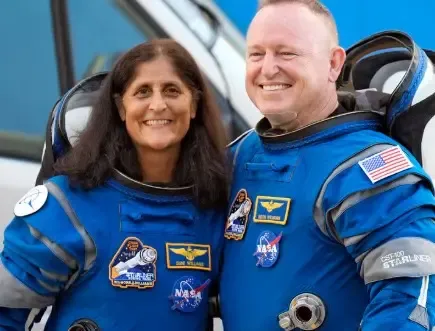
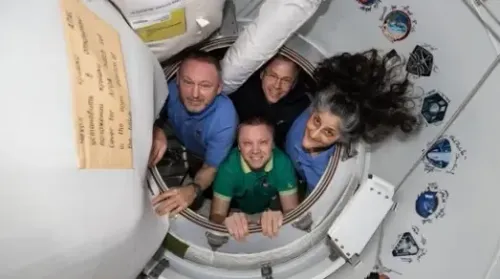
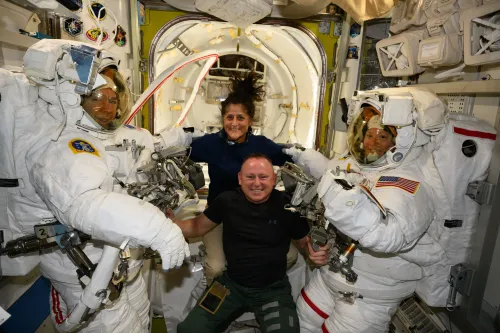
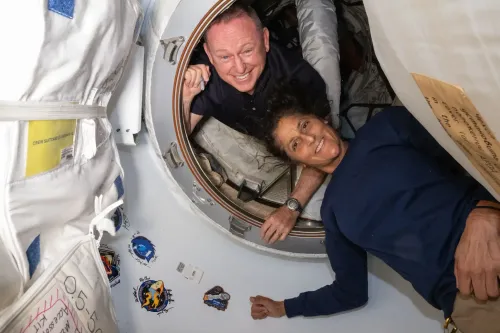
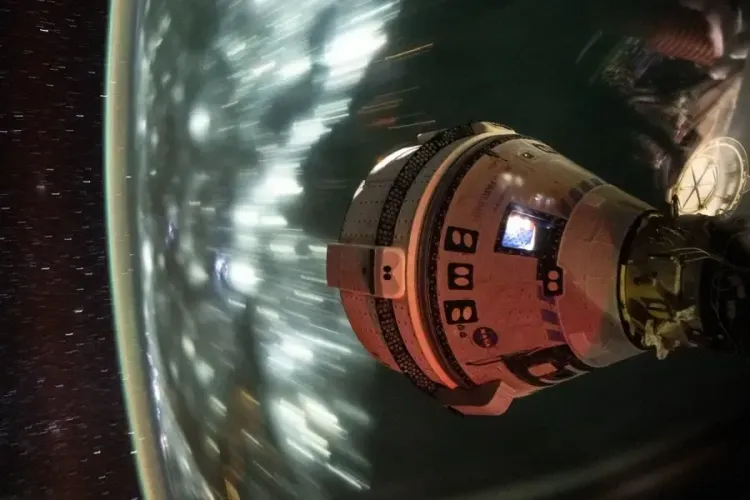
NASA and Boeing have jointly announced a phased roadmap to restore the Starliner spacecraft to operational status, following the technical failures that stranded astronauts Sunita 'Suni' Williams and Butch Wilmore aboard the International Space Station (ISS) during its first crewed flight in 2024. The plan, disclosed on 29 September, charts a step-by-step path back to full certification under NASA's Commercial Crew Programme.
The Phased Return Plan
The first step is an uncrewed Starliner-1 mission to the ISS, which could launch as early as December 2025 or as late as January 2027, according to NASA. This flight will function as an engineering evaluation mission — testing modifications, collecting performance data, and identifying any residual risks before astronauts are placed aboard again.
If Starliner-1 meets all test and certification benchmarks, a crewed mission — designated Starliner-2 — is targeted for 2028. NASA has also indicated it intends to exercise options for a fifth and sixth Starliner flight to and from the space station.
What NASA's Administrator Said
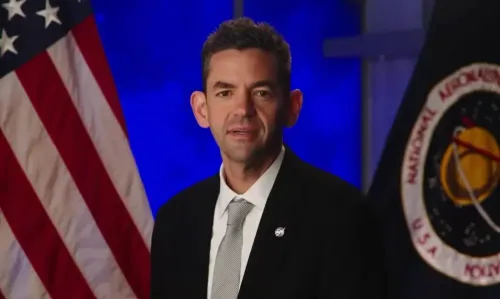
NASA Administrator Jared Isaacman outlined the rationale in a statement: 'We are starting with an uncrewed Starliner-1 mission to the International Space Station to validate the improvements made to the spacecraft and gather the flight data we need. From there, we will use what we learn, continue implementing the corrective actions identified by our Program Investigation Team, and complete the testing and certification required for crewed flight. Our current plan is to return astronauts on Starliner-2 by 2028.'
Isaacman also reaffirmed NASA's commitment to the vehicle: 'We have worked closely with Boeing to address the issues identified on previous Starliner flights, and we intend to see this vehicle return to flight in support of the International Space Station and future commercial destinations.'
Root Cause and Technical Fixes
A Program Investigation Team established by NASA after Starliner returned to Earth without Williams and Wilmore produced 61 recommendations to bring future missions up to human spaceflight standards. Investigators determined that Starliner's service-module reaction-control thrusters had operated outside their engineering qualification limits — a condition that caused the loss of control experienced during the crewed flight test.
Ground tests and analysis traced the thruster failures to a combination of the thermal environment and specific elements of the spacecraft's design. Boeing has since carried out thermal modifications to the service module, and both parties have agreed to change a thruster-valve design to address poppet-seal extrusion and its effects on thruster performance.
Additional planned changes include installing new crew-module thrusters and batteries and making limited modifications to the parachute system.
Vulcan Rocket Certification and Broader Context
NASA will also work with Boeing and United Launch Alliance (ULA) to certify the Vulcan rocket for astronaut missions, following the final flight of the Atlas V rocket. The Vulcan certification is a prerequisite for Starliner's long-term operational future.
Dana Weigel, manager of NASA's Low Earth Orbit Programme, underscored the stakes: 'Starliner's next flight is a critical step on the path to achieving full system certification and ensuring a sustained human presence in low Earth orbit.'
This comes amid NASA's broader strategic goal of maintaining more than one American spacecraft capable of ferrying astronauts to low-Earth orbit — reducing dependence on any single vehicle or provider. Starliner's troubled 2024 debut left that redundancy goal unfulfilled, making the phased recovery plan significant not just for Boeing but for US human spaceflight policy.
What Comes Next
The uncrewed Starliner-1 mission will be the decisive near-term test. Its results will determine whether Boeing can close the gap with SpaceX's Crew Dragon, which has carried out multiple crewed ISS missions without comparable setbacks. If Starliner-1 succeeds, the programme could re-establish itself as a genuine second pillar of NASA's commercial crew strategy by the end of the decade.
Point of View
But the 2028 crewed target is contingent on an uncrewed flight that itself has no firm launch date. Meanwhile, SpaceX's Crew Dragon continues to accumulate operational experience, widening the gap. NASA's insistence on a second crew vehicle is strategically sound, but the longer Starliner stays grounded, the harder it becomes to justify Boeing's role over a purely competitive procurement.
NationPress
29 Sept 2026
Frequently Asked Questions
What is NASA's plan to return Starliner to service?
NASA and Boeing have announced a two-phase plan: first, an uncrewed Starliner-1 mission to the ISS — potentially launching in December 2025 or January 2027 — to validate technical fixes, followed by a crewed Starliner-2 mission targeted for 2028. The plan follows a Program Investigation Team review that produced 61 safety recommendations.
Why was Starliner grounded after its 2024 crewed flight?
Starliner's service-module reaction-control thrusters operated outside their engineering qualification limits during the 2024 crewed flight test, causing a loss of control. Investigators traced the problem to a combination of the thermal environment and spacecraft design elements, prompting NASA to return the vehicle to Earth without astronauts Williams and Wilmore aboard.
What technical changes is Boeing making to Starliner?
Boeing is implementing thermal modifications to the service module, changing the thruster-valve design to address poppet-seal extrusion, installing new crew-module thrusters and batteries, and making limited modifications to the parachute system. All changes will be evaluated during the uncrewed Starliner-1 flight.
Who are Sunita Williams and Butch Wilmore?
Sunita 'Suni' Williams and Butch Wilmore are NASA astronauts who flew aboard Starliner's first crewed mission to the ISS in 2024. They were unable to return on Starliner due to the spacecraft's technical problems and had to travel back to Earth on an alternative vehicle.
Why does NASA want Starliner to succeed despite its problems?
NASA's Commercial Crew Programme is designed to ensure more than one American spacecraft can transport astronauts to low-Earth orbit, reducing dependence on any single provider. With SpaceX's Crew Dragon currently the only operational option, a functioning Starliner would restore the redundancy NASA considers essential for sustained human spaceflight.