Is the Criticism of the Muslim League and CPI Issue-Based? Insights from SNDP Leader Natesan
Synopsis
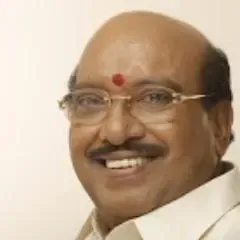
In a recent media briefing, SNDP leader Vellappally Natesan took a firm stand against the Muslim League and CPI, asserting that his criticisms are rooted in policy discussions rather than community biases. His remarks underscore the ongoing tensions within Kerala's political landscape, particularly concerning social justice and community relations.
Key Takeaways
Natesan emphasizes issue-based criticism.
Accusations of being anti-Muslim are rebutted.
Calls for internal resolution of differences within the LDF.
Highlights educational disparities between communities.
Warns against communal tensions.
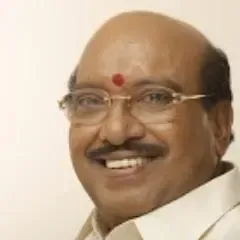
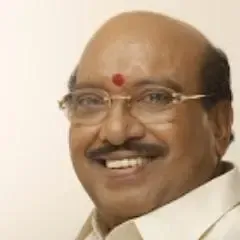
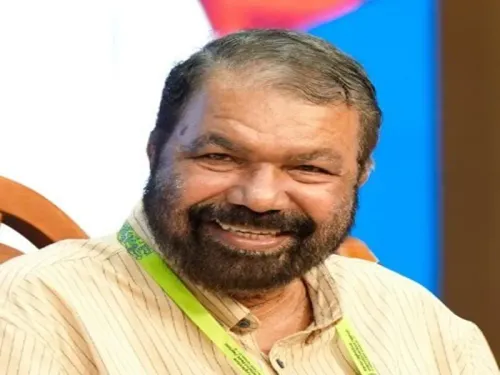
Alappuzha, Jan 2 (NationPress) Vellappally Natesan, the General Secretary of SNDP Yogam, expressed his ongoing criticisms of the Muslim League and CPI on Friday, emphasizing that his remarks are focused on specific issues and party policies, rather than targeting any particular community.
In a press briefing in Alappuzha, he asserted that characterizations of him as anti-Muslim are erroneous.
Natesan accused the Muslim League of neglecting social justice during its tenure and fostering divisions between the Ezhava and Muslim communities.
He further stated that the CPI’s actions have contributed to perceptions of discord within the Left Democratic Front (LDF), urging internal dialogue to resolve differences and highlighting the essential role of backward communities in supporting the Left.
He claimed that during its governance, the League failed to promote social equity, providing ample educational resources for the Muslim community in Malappuram, while the Ezhava community had access to merely one aided college.
Natesan warned that the League’s current strategy to alienate the Muslim community from the Ezhavas could ignite communal unrest akin to the Marad riots.
He also criticized the CPI for creating a perception of disunity within the LDF, advocating for discussions on right and wrong within the coalition and stressing the necessity of recognizing the contributions of backward communities.
On the matter of Sabarimala, he defended the government's position as genuine, stating, “Let those who ate the salt drink the water,” which underscores accountability and fairness.
He addressed a recent altercation with a journalist, attributing the incident to provocation and asserting he acted within his rights.
“At 89 years, I questioned whether a reaction was necessary then,” he remarked, defending his conduct and referring to the journalist as a “terrorist” in a context of awareness, not as a personal attack.
On governance, Natesan asserted that the Congress-led UDF had obstructed the approval of educational institutions during its administration, whereas the LDF merely adhered to policy when granting permissions.
He reiterated his stance regarding Chathiyan Chandu, stating he has no intention of traveling in Binoy Viswam’s car, despite past instances where leaders like M.N. Govindan have done so.
Natesan emphasized his cordial relationship with Chief Minister Pinarayi Vijayan, dismissing claims of wrongdoing associated with traveling in the Chief Minister’s vehicle.
He contended that allegations of treachery are baseless, asserting that had the passenger been from a higher caste or minority community, there would have been no controversy.
Through these statements, Natesan has not only reaffirmed his political stance but has also spotlighted the intricate interplay of caste, community, and party dynamics within Kerala’s Left coalition, reiterating that backward communities are the foundation of its support.
Meanwhile, Binoy Viswam, the CPI state secretary, remarked that he would refrain from commenting on Natesan’s statements, stating, “Everyone knows everything, and hence I will not make any comments. He (Natesan) need not evaluate the performance of the Left government.”
Point of View
Vellappally Natesan's statements reflect the complex interplay of caste and community dynamics in Kerala politics. His emphasis on issue-based criticism rather than community bias underscores the importance of addressing policy flaws while navigating communal sensitivities. The future of the Left Democratic Front hinges on how effectively these internal divisions are managed.
NationPress
19 Sept 2026
Frequently Asked Questions
What were Vellappally Natesan's main criticisms?
Natesan criticized the Muslim League for failing to implement social justice and accused the CPI of creating disunity within the Left Democratic Front.
How did Natesan address accusations of being anti-Muslim?
He clarified that his criticisms are directed at party policies and not aimed at any community, describing attempts to label him as anti-Muslim as misleading.
What is the significance of Natesan's remarks on educational opportunities?
He highlighted disparities in educational resources, asserting that the Muslim community received better opportunities compared to the Ezhava community during the League's governance.