What Does National StartUp Day Mean for India's Innovation Spirit?
Synopsis
As we celebrate National StartUp Day, PM Modi highlights the significance of innovation and entrepreneurship in India's growth story. This landmark occasion marks a decade since the launch of StartUp India, showcasing the immense potential of Indian startups in transforming the economy and fostering job creation.
Key Takeaways
National StartUp Day celebrates the entrepreneurial spirit of India.
The Startup India initiative marks its 10th anniversary.
Over 200,000 startups recognized across the nation.
Significant growth in women-led ventures.
Government initiatives have strengthened the startup ecosystem.
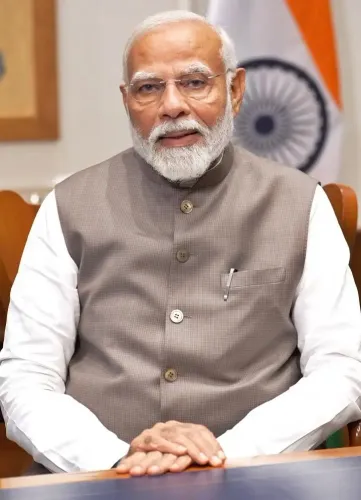
New Delhi, Jan 16 (NationPress) On this special day of National StartUp Day, Prime Minister Narendra Modi conveyed his warm regards to all those engaged in the startup ecosystem. He emphasized that this day is a celebration of the courage, innovative spirit, and entrepreneurial passion inherent in the people of India.
In a post on the platform X, the Prime Minister expressed, “Best wishes to everyone involved in the StartUp domain on this National StartUp Day. Today is significant as we commemorate ten years since the inception of StartUp India. This day is dedicated to honoring the courage, innovative spirit, and entrepreneurial passion of our people, particularly our youth, who have significantly contributed to India’s ascent in the global StartUp ecosystem.
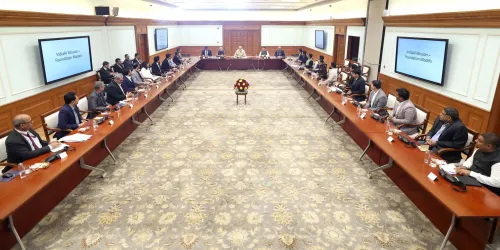
PM Modi is set to attend an event at Bharat Mandapam in Delhi, celebrating a decade of the Startup India initiative.
During this event, he will engage with members of India’s dynamic startup ecosystem. Selected representatives from various startups will share their experiences, shedding light on their challenges, innovations, and success stories. The Prime Minister will also address the audience during this occasion.
The Startup India initiative was inaugurated by the Prime Minister on this day in 2016 as a transformative national program aimed at fostering innovation, encouraging entrepreneurship, and facilitating investment-driven growth. Its primary goal was to transform India into a nation of job creators rather than just job seekers.
In the last decade, Startup India has become a foundational element of the nation’s economic and innovative framework. It has reinforced institutional mechanisms, broadened access to capital and mentorship, and cultivated a supportive environment for startups to flourish across various sectors and regions.
India’s startup ecosystem has experienced remarkable growth during this period, with over 200,000 startups recognized nationwide. These ventures have emerged as vital contributors to job creation, innovation-driven economic growth, and the enhancement of domestic value chains across diverse sectors.
As the nation observes National Startup Day, it marks a significant milestone for startups, which serve not only as economic engines but also as enduring symbols of India’s innovation-led growth narrative.
Aligned with India’s vision for a Viksit Bharat by 2047, the movement has profoundly influenced the country’s entrepreneurial landscape and innovation ecosystem.
Startups have become catalysts for economic transformation by spearheading technological advancements, creating extensive employment opportunities, promoting financial inclusion and digital access, and encouraging grassroots entrepreneurship.
The initiative, spearheaded by the Department for Promotion of Industry and Internal Trade (DPIIT) under the Union Ministry of Commerce and Industry, has evolved from a policy-centric approach to an all-encompassing platform that supports startups at every phase, from ideation to scaling operations.
This progress is evident in India’s high-value startup ecosystem, which has surged from just four privately held companies worth over $1 billion in 2014 to more than 120 today, collectively valued at over $350 billion.
Since its launch on January 16, 2016, the Startup India initiative has transformed into one of the world’s largest and most diverse entrepreneurial ecosystems.
With more than 200,000 DPIIT-recognized startups as of December 2025, India now firmly positions itself among the top global centers for innovation, job creation, and inclusive growth.
A notable aspect of this landscape is the presence of women-led ventures, with 45 percent of recognized startups having at least one female director or partner as of December 2025.
Moreover, startups are no longer restricted to metropolitan areas, with nearly half emerging from Tier-II and Tier-III cities, illustrating the democratization of entrepreneurship.
Additionally, several government-supported initiatives have bolstered this growth. With a corpus of Rs 10,000 crore managed by the Small Industries Development Bank of India (SIDBI), the Fund of Funds for Startups (FFS) has backed over 140 Alternative Investment Funds, which have invested more than Rs 25,500 crore in over 1,370 startups.
Furthermore, the Credit Guarantee Scheme for Startups (CGSS) has facilitated collateral-free loans amounting to Rs 800 crore to over 330 startups.
Also, with Rs 945 crore allocated to more than 215 incubators, the Startup India Seed Fund Scheme (SISFS) supports proof-of-concept, prototyping, and market entry.
Moreover, the Startup India Hub serves as a digital platform connecting entrepreneurs with investors, mentors, and incubators. The States’ Startup Ranking Framework (SRF) promotes competitive federalism by ranking states and union territories based on their startup-friendly policies.
The Mentorship, Advisory, Assistance, Resilience and Growth (MAARG) Mentorship Portal acts as a comprehensive platform to facilitate mentorship for startups, while the Investor Connect Portal links startups with venture capital funds, streamlining fundraising efforts.
In addition to Startup India, sector-specific initiatives have further strengthened the ecosystem, including the Atal Innovation Mission (AIM), which has established over 10,000 Atal Tinkering Labs across 733 districts, engaging 1.1 crore students in projects related to AI, robotics, and IoT, with an allocation of Rs 2,750 crore until 2028.
Point of View
Prime Minister Modi's emphasis on entrepreneurship and innovation reflects India's commitment to becoming a global hub for startups. The initiatives undertaken over the past decade have not only nurtured a robust ecosystem but also set the foundation for a sustainable and inclusive economic future. This approach resonates with the aspirations of millions of young Indians seeking opportunities to innovate and contribute to the nation's prosperity.
NationPress
30 Sept 2026
Frequently Asked Questions
What is National StartUp Day?
National StartUp Day is a celebration of the entrepreneurial spirit and innovation in India, marking the anniversary of the StartUp India initiative launched in 2016.
Why is National StartUp Day important?
It highlights the significant contributions of startups to India's economy, job creation, and the fostering of a vibrant innovation ecosystem.
What has been achieved through the Startup India initiative?
The initiative has led to the recognition of over 200,000 startups, increased access to funding, and created a supportive environment for entrepreneurs across the country.
How has the startup ecosystem evolved in India?
The ecosystem has transformed dramatically, with a diverse range of startups emerging from across the country, including a significant representation from women-led ventures.
What are some government initiatives supporting startups?
Various programs, such as the Fund of Funds for Startups, Credit Guarantee Scheme, and Startup India Hub, provide financial support, mentorship, and resources for startups.