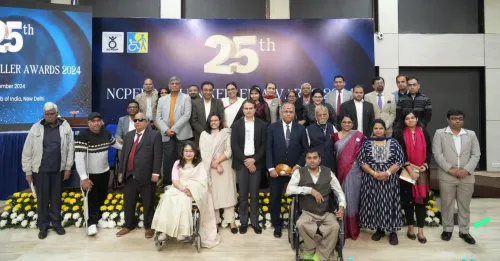
How is NCPEDP Reacting to Union Budget’s Rs 300 Crore Initiative for Specially Abled Persons?
Synopsis
The NCPEDP applauds the Union Budget 2026-27 for its significant allocation aimed at empowering specially abled persons. This budget embraces a transformative approach, focusing on dignity and inclusion, and marks a crucial step towards enhancing the lives of millions of disabled individuals across India.
Key Takeaways
Rs 300 crore allocation for specially abled individuals.
Introduction of Divyangjan Kaushal Yojana and Divyangjan Sahara Yojana .
Focus on education , skill development , and assistive technology.
Shift towards rights-based interventions.
Emphasis on sustaining financial support for inclusive education.
New Delhi, Feb 1 (NationPress) The National Centre for Promotion of Employment for Disabled Persons (NCPEDP) has expressed its approval of the Union Budget 2026-27, highlighting its introduction of specific initiatives aimed at specially abled individuals. The organization regards these measures as both timely and essential for promoting dignity, inclusion, and economic participation.
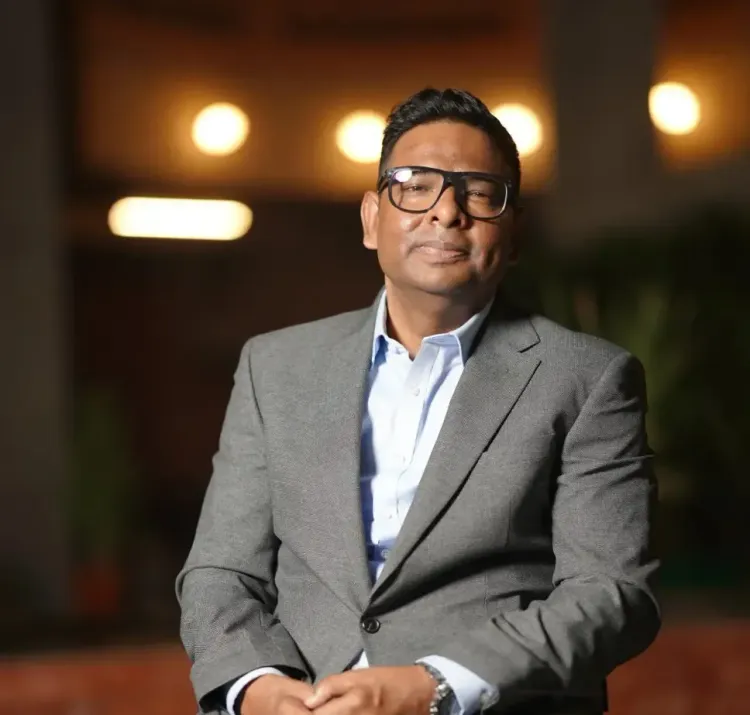
NCPEDP’s Executive Director Arman Ali responded positively to the Budget, noting that with more than 70 million disabled individuals in India, the initiation of the Divyangjan Kaushal Yojana and Divyangjan Sahara Yojana, accompanied by an allocation of Rs 300 crore, represents a pivotal advancement in enhancing education, skill development, and access to assistive technology for the disabled community.
Ali extended his appreciation to Prime Minister Narendra Modi and Union Finance Minister Nirmala Sitharaman for acknowledging education, skill enhancement, and assistive technologies as vital components of empowerment.
He noted that the Budget signifies a transition from welfare-based strategies to rights-oriented and capability-boosting interventions that offer independence and choice for Divyangjan.
The NCPEDP reaffirmed its commitment to a similar methodology, highlighted through its Assistive Technology Hub, which illustrates how innovation, accessibility, and user-focused design can revolutionize lives.
According to Ali, the government’s focus on expanding the role of the Artificial Limbs Manufacturing Corporation of India (ALIMCO), bolstering PM Divyasha Kendras, and investing in Artificial Intelligence-led research and development closely aligns with the organization’s enduring efforts to integrate assistive technology across various sectors.
Ali welcomed the augmented budgetary support and commended the increased funding for scholarships aimed at students with disabilities. He asserted that ongoing financial support for inclusive education would effectively address long-standing obstacles in access, retention, and completion of higher education and skill development programs.
The NCPEDP underscored that persistent and reliable investment in inclusive education, skill development, and assistive technology is crucial for establishing meaningful livelihoods, enhancing autonomy, and ensuring equal participation of individuals with disabilities in the nation’s developmental narrative.
“The Union Budget 2026-27 reflects an encouraging intention to progress towards an inclusive and accessible India. Effective execution of these initiatives will be paramount in converting policy pledges into tangible and lasting impacts for the disability community,” Ali concluded.
Point of View
It’s evident that the Union Budget 2026-27 demonstrates a significant commitment towards inclusivity and empowerment of the disabled community in India. The NCPEDP's response reflects a broader societal recognition of the importance of integrating specially abled individuals into the economic fabric of the nation.
NationPress
19 Sept 2026
Frequently Asked Questions
What is the allocation for specially abled persons in the Union Budget 2026-27?
The Union Budget 2026-27 has allocated Rs 300 crore for initiatives aimed at specially abled individuals.
What initiatives have been introduced for the disabled community?
The initiatives include the Divyangjan Kaushal Yojana and Divyangjan Sahara Yojana, focusing on education, skill development, and access to assistive technology.
Why is the budget considered a significant move?
It represents a shift from welfare-driven approaches to rights-based interventions, promoting independence and choice for Divyangjan.
Who acknowledged the importance of education and skill development for the disabled?
Prime Minister Narendra Modi and Union Finance Minister Nirmala Sitharaman have recognized these areas as key to empowerment.