NCPEDP Advocates for PwD Reservations Alongside Women's Quota
Synopsis
As Parliament discusses a new 33% women’s reservation, NCPEDP calls for similar provisions for persons with disabilities, emphasizing the need for inclusive representation in democracy.
Key Takeaways
NCPEDP calls for PwD reservation alongside women's quota.
Significant underrepresentation of PwDs in politics.
Need for inclusive democracy highlighted.
Successful examples from Tamil Nadu and Rajasthan.
Advocacy efforts for comprehensive electoral reform.
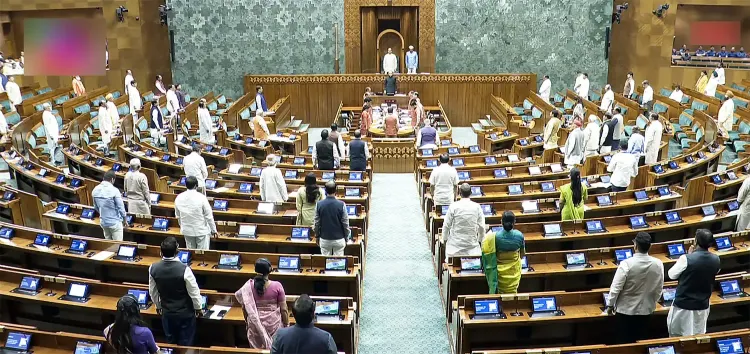
New Delhi, April 14 (NationPress) As Parliament gears up to discuss the Constitution (106th Amendment) Act, which proposes a 33% reservation for women in the Lok Sabha and State Assemblies, the National Centre for Promotion of Employment for Disabled People (NCPEDP) has urged for simultaneous advocacy for political reservations for persons with disabilities (PwDs).
While the Centre’s initiative to enhance women’s political representation is commendable, NCPEDP believes this moment represents a historic chance to rectify the ongoing underrepresentation of PwDs in legislative frameworks.
The organization has reached out to key political figures, including the President, Vice President, Prime Minister, and Lok Sabha Speaker, emphasizing the need to incorporate political reservations for PwDs within the broader electoral reform agenda.
According to Arman Ali, Executive Director of NCPEDP, although the Women’s Reservation Bill marks a significant advancement, it should also pave the way for greater inclusion of all marginalized groups.
The disability community continues to face substantial underrepresentation in decision-making roles, making their participation crucial for a genuinely inclusive democracy.
NCPEDP referenced the Rights of Persons with Disabilities Act, 2016, which acknowledges the political barriers that exist, yet the lack of representation leads to critical disability issues being neglected in policy discussions.
India is known for having one of the largest populations of persons with disabilities globally. The 2011 Census indicated over 2.68 crore PwDs, a number many experts believe is an undercount.
With new census data anticipated soon, the urgency for direct political representation for PwDs has intensified.
NCPEDP highlighted that the proposed increase in legislative seats could be an effective strategy to implement reservations for PwDs without disrupting existing categories.
In recent years, NCPEDP has intensified its efforts to encourage political involvement among PwDs. For the 2024 General Elections, it has introduced a “Manifesto For and By Persons with Disabilities” and has engaged with various political parties, gaining cross-party recognition for several recommendations.
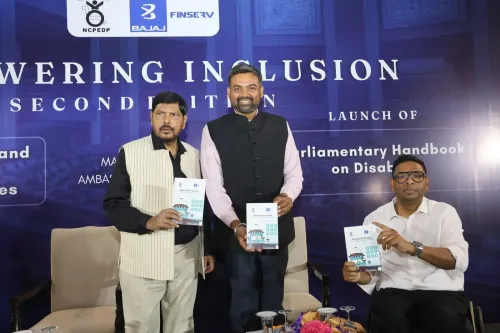
The organization has also initiated dialogues through its MP Forum on Disability and programs like “Empowering Inclusion” during parliamentary sessions.
Highlighting successful examples, NCPEDP pointed out that states like Tamil Nadu and Rajasthan have already implemented local-level reservations for PwDs, showcasing both the feasibility and effectiveness of such initiatives.
The organization urged Members of Parliament to prioritize this issue in the current session to foster a more inclusive and representative democracy.
Point of View
The NCPEDP's advocacy for political representation of PwDs highlights a significant gap in inclusivity. The call for simultaneous reforms reflects a broader societal need for diverse voices in decision-making processes, ensuring that all marginalized groups are represented.
NationPress
19 Sept 2026
Frequently Asked Questions
What is the NCPEDP's main message regarding the women's reservation bill?
The NCPEDP advocates for including political reservations for persons with disabilities alongside the proposed 33% reservation for women in legislative bodies.
Why is political representation for PwDs important?
Political representation for PwDs is crucial for ensuring their concerns are addressed in policymaking, promoting a more inclusive democracy.
How many persons with disabilities are there in India according to the 2011 Census?
The 2011 Census reported over 2.68 crore individuals identified as persons with disabilities in India.
What actions has the NCPEDP taken to promote PwD representation?
NCPEDP has launched initiatives like a 'Manifesto For and By Persons with Disabilities' and engaged in dialogues with major political parties to advocate for PwD representation.
Which states in India have implemented reservations for PwDs?
States such as Tamil Nadu and Rajasthan have successfully implemented local-level reservations for persons with disabilities.