Gangtok gets first all-women Mayor-Deputy Mayor duo in civic body
Synopsis
For the first time in Gangtok's civic history, both the Mayor and Deputy Mayor of the Municipal Corporation are women — and 12 of 20 elected councillors are women too. Tshering Palden Bhutia's elevation marks a rare instance of women holding genuine executive power in an Indian urban local body, not just token representation.
Key Takeaways
The Gangtok Municipal Corporation elected its first-ever all-women leadership duo on Saturday, 3 May 2025 .
Tshering Palden Bhutia (Ward No.
9, Sikkim Krantikari Morcha) was unanimously elected Mayor .
12) was unanimously elected Deputy Mayor .
12 of 20 elected councillors are women, giving the council a women-majority composition.
Bhutia has been politically active since 2021 and previously served as Deputy Mayor under former Mayor Nel Bahadur Chettri.
The development is seen as a milestone in grassroots women's leadership in Sikkim .
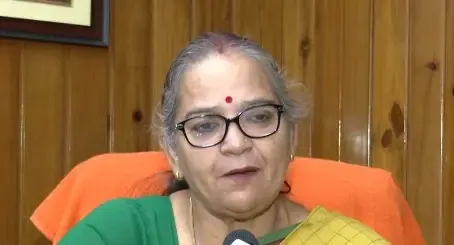
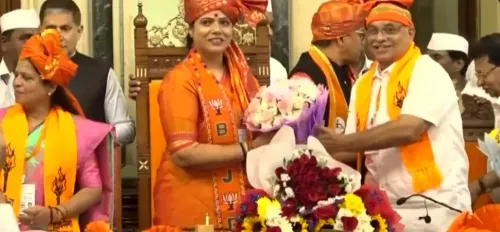
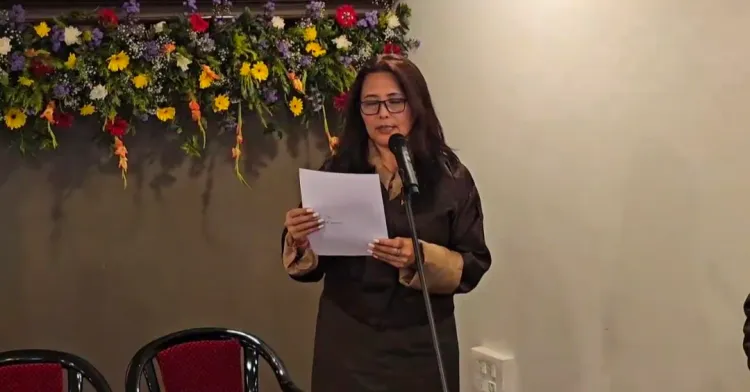
The Gangtok Municipal Corporation has made history with the election of an all-women leadership duo for the first time, as Tshering Palden Bhutia was unanimously chosen as Mayor and Sara Lama as Deputy Mayor during the Fourth Council Formation ceremony held on Saturday, 3 May 2025, at the corporation's conference hall in Deorali, Gangtok. The newly constituted council also features a women-majority composition, with 12 women among 20 elected councillors — a landmark moment in Sikkim's urban local governance.
The Oath-Taking Ceremony
All 20 elected councillors were administered the oath of office by Municipal Returning Officer Tushar G. Nikhare in the presence of senior government officials, public representatives, and invited guests. The unanimous election of women to both top positions was described as the key highlight of the event. This marks the Fourth Council of the Gangtok Municipal Corporation since its constitution.
Who Are the New Mayor and Deputy Mayor
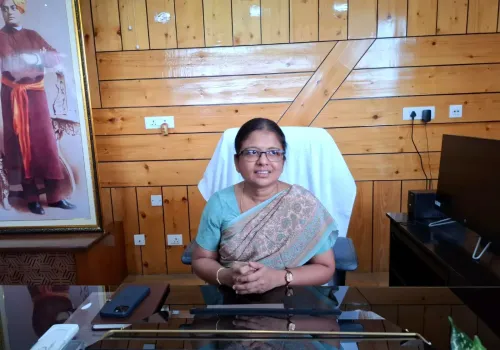
Tshering Palden Bhutia, the Ward No. 9 councillor representing the Sikkim Krantikari Morcha (SKM), was elected as the new Mayor. Sara Lama, the Ward No. 12 councillor, was unanimously chosen as Deputy Mayor. Bhutia is no stranger to municipal administration — she has been politically active since 2021 and previously served as Deputy Mayor under former Mayor Nel Bahadur Chettri, giving her direct institutional experience ahead of her elevation to the top post.
What the New Mayor Said
Speaking after assuming office, Mayor Bhutia said her appointment reflected the trust reposed by the party leadership, particularly in women representatives. She noted that women's representation in the current council had risen to around 50 per cent, calling it a demonstration of strong confidence in women's leadership. Bhutia stressed a results-oriented approach, saying she preferred action over rhetoric and would let her work speak for itself during her tenure.
Why This Milestone Matters
The new composition of the Gangtok Municipal Corporation is being widely seen as a notable shift in political dynamics at the grassroots level in the Himalayan state. Women holding a majority of council seats — and both leadership positions — is a rare occurrence in Indian urban local bodies, where women's representation in top executive roles has historically lagged behind their nominal presence in councils. This comes amid a broader national conversation about meaningful women's participation in elected governance, not just in numbers but in decision-making authority. Notably, the transition signals that Sikkim's municipal politics may be ahead of the curve compared to many larger states.
What Comes Next
The new council is expected to take up developmental priorities for Gangtok city in the coming weeks. Mayor Bhutia acknowledged the work undertaken by the previous council and indicated continuity in civic development efforts. With a women-majority council and an experienced Mayor at the helm, observers will be watching whether the corporation can translate its historic composition into tangible outcomes for residents of the state capital.
Point of View
Not merely their presence in a chamber. What will matter is whether this translates into a governance agenda that addresses Gangtok's urban challenges — infrastructure, waste management, and hill-city planning — rather than becoming a headline that fades. Sikkim has historically punched above its weight on social indicators; whether its capital city's civic body can do the same on urban governance will be the real test of this historic council.
NationPress
25 Sept 2026
Frequently Asked Questions
Who is the new Mayor of Gangtok Municipal Corporation?
Tshering Palden Bhutia, the Ward No. 9 councillor representing the Sikkim Krantikari Morcha, was unanimously elected as the new Mayor of the Gangtok Municipal Corporation in May 2025. She previously served as Deputy Mayor under former Mayor Nel Bahadur Chettri.
Why is the Gangtok Municipal Corporation election historic?
It is the first time both the Mayor and Deputy Mayor of the Gangtok Municipal Corporation are women. Additionally, 12 of the 20 elected councillors are women, making it a women-majority council — a rare achievement in Indian urban local governance.
Who is the new Deputy Mayor of Gangtok?
Sara Lama, the Ward No. 12 councillor, was unanimously chosen as the Deputy Mayor of the Gangtok Municipal Corporation during the Fourth Council Formation ceremony held in May 2025.
Which party does Mayor Tshering Palden Bhutia belong to?
Mayor Tshering Palden Bhutia belongs to the Sikkim Krantikari Morcha (SKM), the ruling party in Sikkim. She has been politically active since 2021 and brings prior experience from her tenure as Deputy Mayor.
What is the composition of the new Gangtok Municipal Corporation council?
The new council has 20 elected councillors, of whom 12 are women — constituting around 60 per cent of the council. Both the Mayor and Deputy Mayor posts are also held by women, marking the first such instance in the corporation's history.