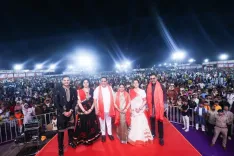
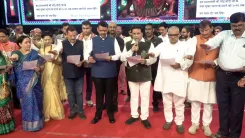
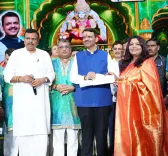
CM Dhami Joins 117th All India Mayors' Council Meet in Rishikesh
Synopsis
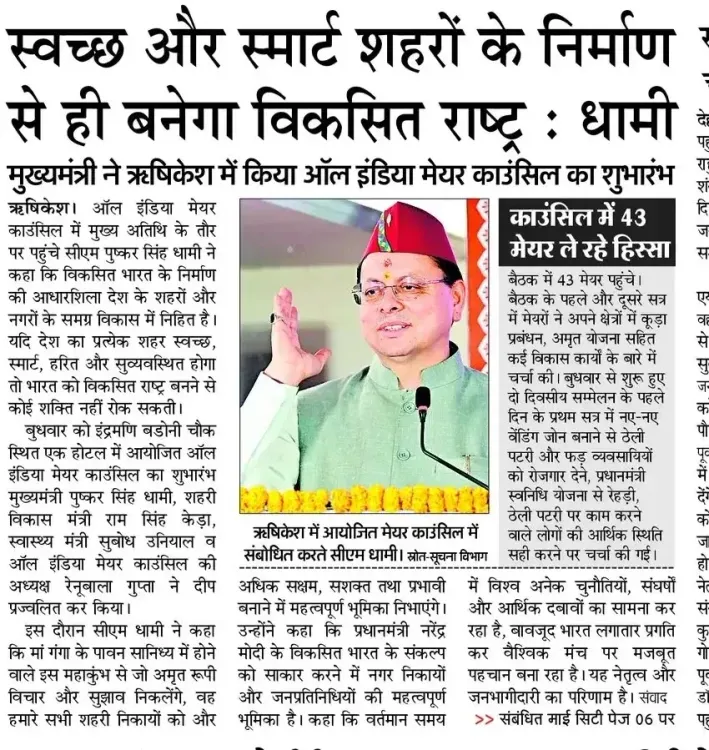
Chief Minister Pushkar Singh Dhami took part in the 117th Executive Committee meeting of the Akhil Bharatiya Mahapaur Parishad in Rishikesh, the Chief Minister's Office of Uttarakhand said. The gathering convened mayors and municipal representatives from across India to discuss urban governance, civic infrastructure and local body empowerment.
Key Takeaways
CM Pushkar Singh Dhami attended the 117th Executive Committee meeting of the Akhil Bharatiya Mahapaur Parishad .
The meeting was held in Rishikesh , Uttarakhand, on 4 June 2026 .
The Parishad is a national forum of mayors and municipal bodies focused on urban governance.
Its work links to the 74th Constitutional Amendment Act, 1992 , which empowered urban local bodies.
Such convenings often align state action with missions like AMRUT and Smart Cities .
The Chief Minister's Office of Uttarakhand announced on 4 June 2026 that Chief Minister Pushkar Singh Dhami participated in the 117th Executive Committee meeting of the Akhil Bharatiya Mahapaur Parishad (All India Mayors' Council) held in Rishikesh. The gathering brought together mayors and municipal representatives from across the country to deliberate on urban governance.
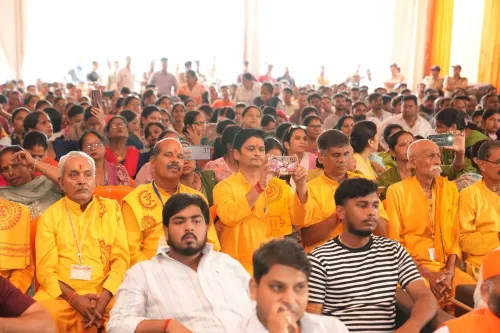
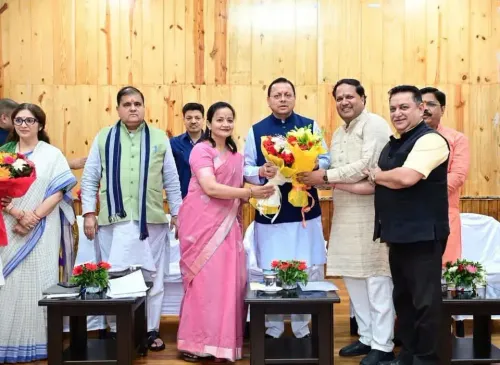
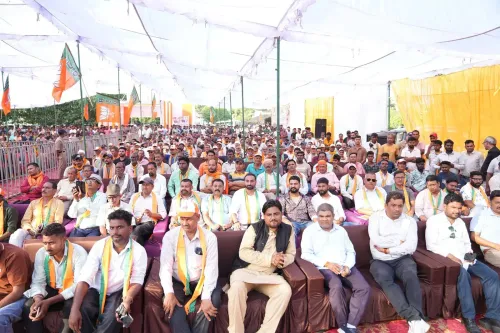
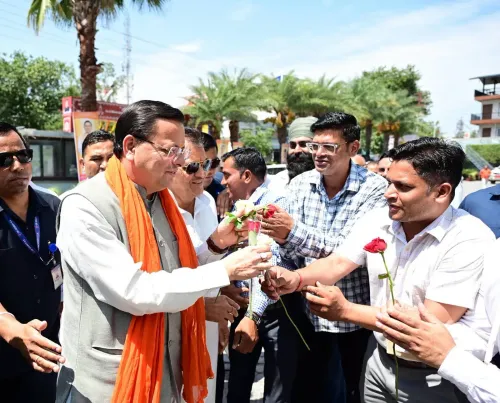
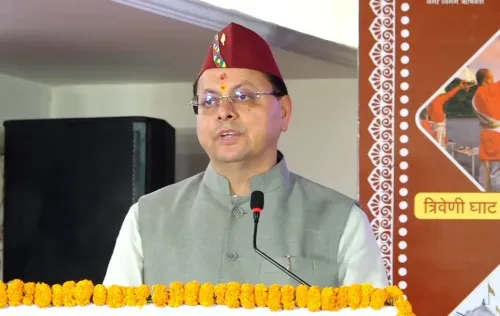
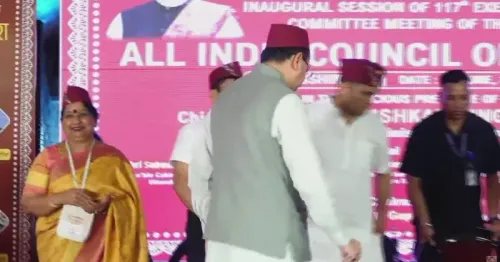
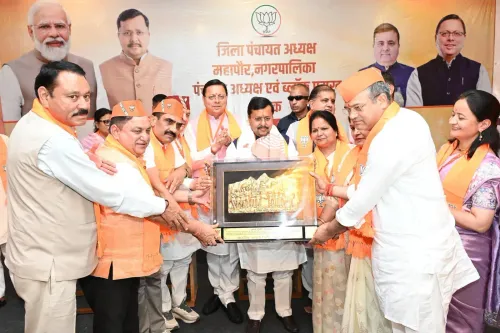
In its post, the Chief Minister's Office stated, in translation, that 'Chief Minister Shri Pushkar Singh Dhami participated in the 117th Executive Committee meeting of the All India Mayors' Council in Rishikesh.' The post was accompanied by four images from the venue.
Context
Rishikesh, located in Uttarakhand's Dehradun district, has emerged as a recurring host for national-level conferences, owing to its connectivity, hospitality infrastructure and its identity as a pilgrimage and yoga hub. Hosting the Mayors' Council adds a civic-governance dimension to a city better known for spiritual tourism.
The Akhil Bharatiya Mahapaur Parishad is a national platform of mayors and municipal bodies that meets periodically to discuss urban policy, civic infrastructure and the empowerment of local self-government institutions. Its executive committee sessions typically frame policy positions that member mayors take back to their respective councils.
Policy backdrop
The forum's work is rooted in the constitutional architecture established by the 74th Constitutional Amendment Act, 1992, which granted statutory recognition to urban local bodies and embedded the role of mayors and municipal corporations in India's federal structure. Periodic convenings of mayoral associations are an extension of that mandate, providing a horizontal channel for cities to compare notes outside the vertical state-Centre axis.
Chief ministers' participation in such gatherings has become increasingly common as states align local execution with central urban missions, including the Atal Mission for Rejuvenation and Urban Transformation (AMRUT) and the Smart Cities Mission. For a hill state like Uttarakhand, where urbanisation interacts with fragile ecology, tourism load and pilgrimage flows, such alignment carries particular weight.
Stakeholders and impact
The immediate stakeholders are the mayors and municipal corporations represented at the meeting, whose deliberations can shape demands on state and central governments for funding, devolution and reform. For Uttarakhand's municipal bodies, the meeting offers an opportunity to flag state-specific concerns, ranging from solid waste management in pilgrimage towns to drinking water and drainage in rapidly growing urban clusters in the plains.
For the state government, hosting the executive committee provides a platform to showcase Uttarakhand's urban initiatives and to position Rishikesh and Dehradun as conference-ready destinations beyond their religious and administrative identities. Residents of host cities often see incremental gains in civic upkeep tied to such events.
What's next
Attention will turn to any resolutions adopted by the executive committee on urban funding, reforms or capacity-building of municipal bodies, and to whether the Uttarakhand government translates the deliberations into state-level action plans in the coming weeks. Follow-up communication from the Chief Minister's Office and the Parishad is expected to outline the meeting's substantive outcomes.
The participation signals a continued emphasis on cooperative engagement between the state leadership and urban local bodies, a relationship that will be tested as Uttarakhand navigates the twin pressures of urban growth and ecological sensitivity.
Point of View
Rather than a purely state cabinet event, is a small but telling signal in India's evolving urban politics. It reflects a recognition that municipal bodies, three decades after the 74th Amendment, remain central to delivering on central urban missions but still depend heavily on state political backing. For a hill state with concentrated pilgrimage urbanisation, such engagement is also a way to surface state-specific demands within a national civic conversation.
NationPress
20 Oct 2026
Frequently Asked Questions
Who attended the 117th Akhil Bharatiya Mahapaur Parishad meeting in Rishikesh?
Uttarakhand Chief Minister Pushkar Singh Dhami participated in the 117th Executive Committee meeting of the Akhil Bharatiya Mahapaur Parishad, alongside mayors and municipal representatives from across the country.
What is the Akhil Bharatiya Mahapaur Parishad?
It is a national association of mayors and municipal bodies that deliberates on urban governance, civic infrastructure and the empowerment of urban local self-government institutions in India.
Why was Rishikesh chosen to host the mayors' meeting?
Rishikesh is a major pilgrimage and yoga hub in Uttarakhand's Dehradun district, with the connectivity and infrastructure that make it a frequent venue for state-hosted national conferences.
How does the meeting connect to India's urban policy framework?
It builds on the 74th Constitutional Amendment Act, 1992, which gave urban local bodies constitutional status, and helps align state-level implementation with central urban missions such as AMRUT and the Smart Cities Mission.
When did Pushkar Singh Dhami attend the 117th executive committee meeting?
The Chief Minister's Office of Uttarakhand announced his participation on 4 June 2026, with the meeting held in Rishikesh.