CM Dhami Hosts 117th All India Mayors Council Meet in Rishikesh
Synopsis
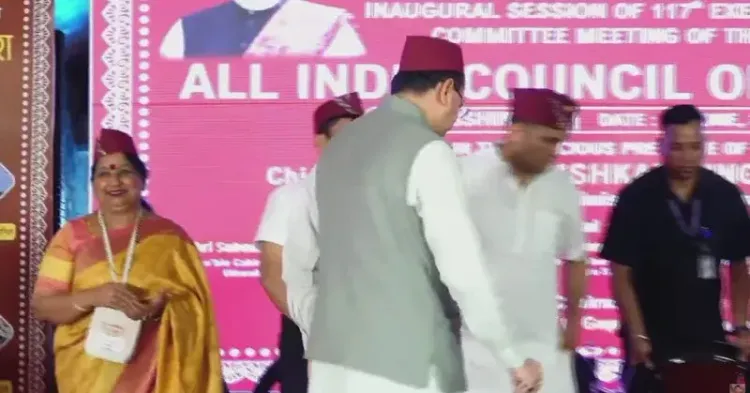
Uttarakhand Chief Minister Pushkar Singh Dhami attended the 117th executive committee meeting of the All India Mayors Council in Rishikesh, livestreaming proceedings. The national forum of city mayors meets periodically to deliberate municipal administration, urban policy and challenges facing India's urban local bodies under the 74th Constitutional Amendment framework.
Key Takeaways
CM Pushkar Singh Dhami joined the 117th executive committee meeting of the All India Mayors Council in Rishikesh.
The Chief Minister livestreamed the proceedings via a broadcast link on X.
The council is a national forum of city mayors that meets periodically on urban policy.
Rishikesh, a key pilgrimage and tourism hub, has been a focus of state urban development efforts.
Mayors' forums in India draw their mandate from the 74th Constitutional Amendment Act of 1992.
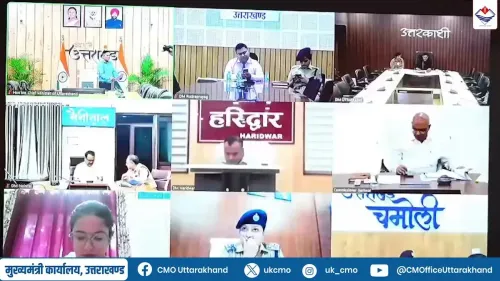
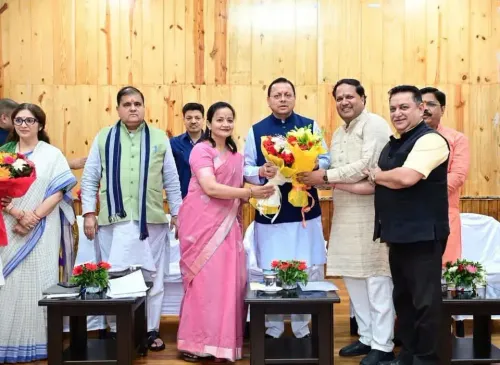
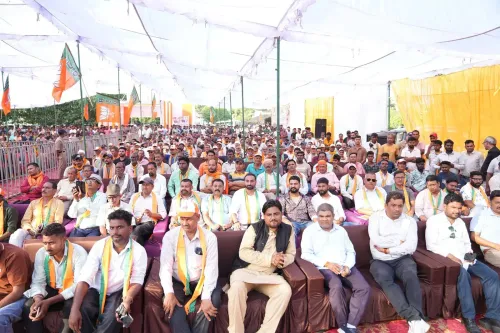
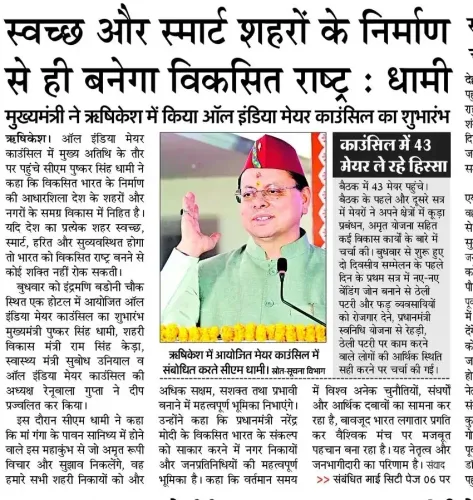
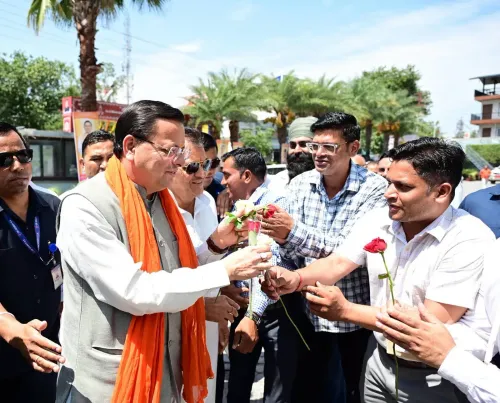
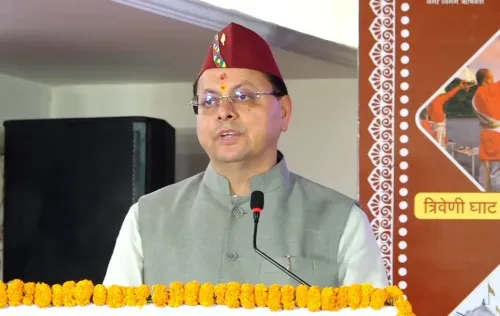
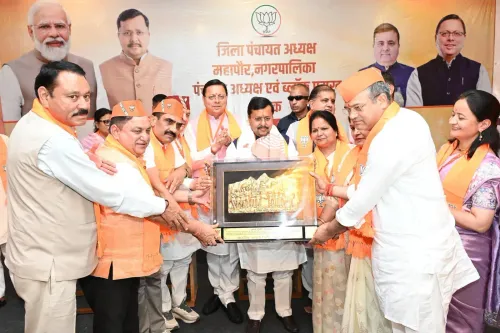
Uttarakhand Chief Minister Pushkar Singh Dhami on Wednesday joined the 117th executive committee meeting of the All India Mayors Council in Rishikesh, livestreaming the proceedings on social media. The gathering brings together mayors from across the country to deliberate on municipal administration and urban policy.
In his post, the Chief Minister announced the event in Hindi as 'ऋषिकेश में अखिल भारतीय महापौर परिषद की 117वीं कार्यकारी समिति की बैठक' ('117th executive committee meeting of the All India Mayors Council in Rishikesh'), accompanied by a live broadcast link from the venue.
Context
The All India Mayors Council is a national forum of city mayors that convenes periodic executive committee meetings to discuss the working of urban local bodies and to coordinate positions on civic governance. Its executive committee sessions are typically hosted in rotation by member cities, drawing participation from across states and political affiliations.
Rishikesh, a pilgrimage and yoga tourism hub on the banks of the Ganges, has been a focal point of Uttarakhand's urban and tourism development push. Hosting the council meet places the city on the national municipal map alongside its existing identity as a spiritual destination.
Policy backdrop
The institutional weight of mayors and urban local bodies in India derives from the 74th Constitutional Amendment Act of 1992, which constitutionalised municipal governance and devolved a defined set of functions to city-level institutions. Three decades on, mayors' forums continue to push for stronger fiscal and functional autonomy for cities.
Successive state governments in Uttarakhand have channelled central urban schemes such as AMRUT and the Smart Cities Mission into pilgrimage and tourist centres, including Rishikesh and neighbouring Haridwar. Issues such as solid waste management, sanitation along the Ganga, parking, and crowd management during peak pilgrimage seasons remain recurring concerns for civic administrators in the region.
Stakeholders and impact
The primary stakeholders at such a forum are mayors and senior functionaries of urban local bodies, who use these meetings to compare notes on revenue mobilisation, property tax reform, municipal bonds, climate-resilient infrastructure and service delivery. State governments, in turn, watch the forum for signals on what reforms cities are willing to back.
For the host state, an event of this scale offers visibility for its urban agenda and an opportunity to showcase project execution in destination cities. For visiting mayors, Rishikesh provides a working backdrop of a small but high-footfall pilgrimage city navigating tourism-led pressures on civic infrastructure.
What's next
Any formal resolutions or recommendations from the 117th executive committee will be closely watched for their uptake in state municipal legislation and in the guidelines of central urban missions. Specific positions on municipal finance, devolution of the 12th Schedule functions, and city-level climate planning are the kinds of outputs that typically emerge from such deliberations.
For Chief Minister Dhami, the meeting dovetails with Uttarakhand's broader pitch as a venue for national policy conversations, after a series of state-hosted forums in recent years. The test, as with previous editions, will lie in whether the council's recommendations translate into concrete changes in how Indian cities are financed and governed.
Point of View
A demand that has gained urgency as cities absorb climate and migration pressures. For the BJP-led state government, hosting such a forum reinforces its narrative of linking local execution with central urban missions. The real signal will come from any resolutions the council issues and whether they nudge state and central policy.
NationPress
20 Oct 2026
Frequently Asked Questions
What is the All India Mayors Council?
The All India Mayors Council is a national forum of city mayors in India that convenes periodic executive committee meetings to deliberate on municipal administration, urban governance and policy challenges facing urban local bodies.
Where was the 117th executive committee meeting held?
The 117th executive committee meeting of the All India Mayors Council was held in Rishikesh, Uttarakhand, with Chief Minister Pushkar Singh Dhami in attendance.
Why is Rishikesh significant for urban policy discussions?
Rishikesh is a high-footfall pilgrimage and yoga tourism city on the Ganges that has been a focus of central urban schemes such as AMRUT and the Smart Cities Mission, making it a working example of tourism-led urban pressures.
What role does the 74th Constitutional Amendment play for mayors?
The 74th Constitutional Amendment Act of 1992 constitutionalised urban local bodies in India and defined their functions, giving mayors and municipal councils a formal role in city governance.
Who is Pushkar Singh Dhami?
Pushkar Singh Dhami is a BJP leader who has served as Chief Minister of Uttarakhand since 2021 and frequently hosts state-level events on urban development and governance issues.