Rajasthan CM Bhajan Lal Sharma backs Maati Kala artisans with ₹9 crore Shilpgram, free equipment
Synopsis
Rajasthan CM Bhajan Lal Sharma has announced a ₹9 crore Shilpgram in Dungarpur and a new Mati Kala Centre of Excellence, while highlighting that over 2 lakh artisans have received training under the PM Vishwakarma Scheme. The moves signal a deliberate push to formalise and modernise one of Rajasthan's oldest craft traditions.
Key Takeaways
Rajasthan CM Bhajan Lal Sharma announced a Mati Kala Centre of Excellence to support clay artisans at an event in Jaipur on Saturday, 3 May 2025 . ₹9 crore approved for construction of a Shilpgram (Artisan Village) in Dungarpur .
Over 2 lakh artisans trained and more than 53,000 provided loans under the PM Vishwakarma Scheme at 5% concessional interest .
1,350 artisans given free electric potter's wheels and clay-kneading machines through the Mati Kala Board .
Chief Minister Vishwakarma Pension Scheme offers ₹3,000/month to labourers and folk artists from age 60 .
Approximately 3.5 lakh youth provided skill training; internships offered to nearly 2 lakh under Mukhyamantri Yuva Sambal Yojana .
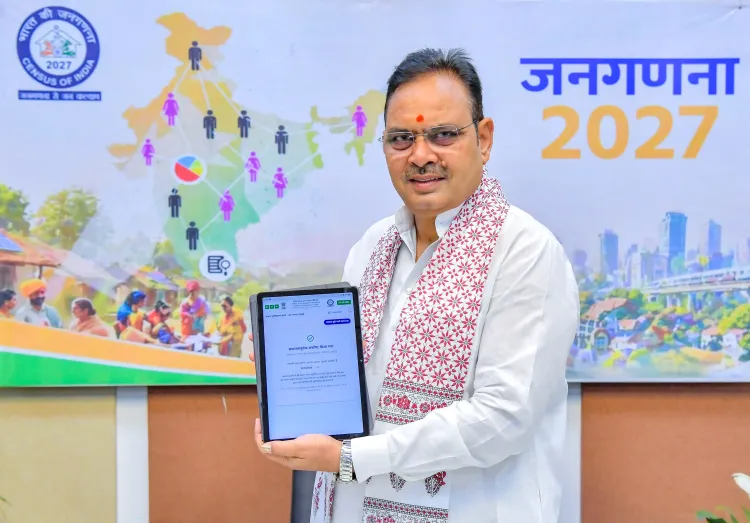
Rajasthan Chief Minister Bhajan Lal Sharma on Saturday, 3 May 2025, reaffirmed the state government's commitment to uplifting clay artisans and traditional craftspeople, announcing a series of welfare measures including the establishment of a Mati Kala Centre of Excellence and a ₹9 crore Shilpgram in Dungarpur. Speaking at his official residence in Jaipur, Sharma said the "Double Engine Government" — referring to aligned BJP governments at the state and Centre — is working with "unwavering commitment" towards every section of society.
Key Announcements for Clay Artisans
Chief Minister Sharma announced the launch of the Mati Kala Centre of Excellence, aimed at providing artisans with modern tools, training, and market linkages. Through the Mati Kala Board, 1,350 artisans have already been provided free electric potter's wheels and clay-kneading machines. The approved ₹9 crore outlay for a Shilpgram (Artisan Village) in Dungarpur is expected to create a dedicated hub for pottery and clay craft.
On the occasion, the Chief Minister also released the book Mati Rajasthan Ri and honoured distinguished members of the Kumawat community with the Mati Ke Lal award for their achievements across various fields.
PM Vishwakarma Scheme: Loans and Training at Scale
Sharma highlighted the reach of the PM Vishwakarma Scheme, under which artisans across 18 trades — including carpenters, sculptors, potters, and masons — are being offered loans at a concessional interest rate of 5 per cent. According to the Chief Minister, by 2025, training has been imparted to over 2 lakh beneficiaries, while loans have been disbursed to more than 53,000 individuals.
This comes amid a broader national push to formalise and financially empower traditional artisan communities, many of whom have historically operated outside institutional credit frameworks.
Pension, Education, and Youth Welfare Measures
The Chief Minister Vishwakarma Pension Scheme has been launched for labourers, street vendors, and folk artists, providing a monthly pension of ₹3,000 upon attaining the age of 60 years. Monthly hostel assistance for students from these communities has been raised to ₹3,250 per student.
Notably, provisions have been made to issue Scheduled Caste (SC), Scheduled Tribe (ST), and Other Backward Class (OBC) certificates alongside birth certificates upon students' successful completion of Class 8 — a measure designed to reduce bureaucratic delays in accessing welfare entitlements.
On the youth employment front, approximately 3.5 lakh individuals have been provided skill training, and under the Mukhyamantri Yuva Sambal Yojana, internships are being offered to nearly 2 lakh youth. Smart classrooms have also been established in 144 government Industrial Training Institutes (ITIs).
Community Delegation and Government Response
The event was triggered by a delegation representing the Kumhar, Kumawat, and Prajapat communities, which called on the Chief Minister to express gratitude for recent budget announcements and ongoing welfare initiatives. Joraram Kumawat, Minister for Animal Husbandry, Dairy, Gopalan, and Devasthan, said that Mati Kala is "regaining its past glory" and that artisans are gaining recognition at national and international levels.
Prahlad Rai Tak, Chairman of the Shriyade Mati Kala Board, noted that policy decisions under Sharma's leadership have significantly boosted the clay art sector and that modern equipment is being deployed to promote self-employment among youth.
With the Mati Kala Centre of Excellence yet to be operationalised and the Dungarpur Shilpgram still in the construction phase, the government's follow-through on these commitments will be closely watched by artisan communities across Rajasthan.
Point of View
Awards are given, schemes are recited. The real question is implementation: the Dungarpur Shilpgram and the Mati Kala Centre of Excellence are still in early stages, and the PM Vishwakarma Scheme's loan disbursement of 53,000 against a 2-lakh-trained base suggests significant drop-off between training and credit access. For Rajasthan's pottery and clay art communities — many of whom are OBC and SC households — the gap between announcement and on-ground delivery has historically been wide. Whether the 'Double Engine Government' framing translates into faster execution is the metric that matters.
NationPress
24 Sept 2026
Frequently Asked Questions
What is the Mati Kala Centre of Excellence announced by Rajasthan CM Bhajan Lal Sharma?
It is a dedicated facility announced by Chief Minister Bhajan Lal Sharma to support clay artisans in Rajasthan through modern tools, training, and market access. The centre is aimed at preserving and promoting the traditional craft of Maati Kala while improving artisans' livelihoods.
What is the ₹9 crore Shilpgram project in Dungarpur?
The Rajasthan government has approved ₹9 crore for the construction of a Shilpgram, or Artisan Village, in Dungarpur. It is intended to serve as a hub for pottery and clay craft, providing artisans with a dedicated space for production, training, and showcasing their work.
How many artisans have benefited from the PM Vishwakarma Scheme in Rajasthan?
According to Chief Minister Sharma, over 2 lakh artisans have received training under the PM Vishwakarma Scheme by 2025, while loans at a 5% concessional interest rate have been disbursed to more than 53,000 individuals across 18 trades including potters, carpenters, and masons.
What is the Chief Minister Vishwakarma Pension Scheme?
It is a state government scheme that provides a monthly pension of ₹3,000 to labourers, street vendors, and folk artists upon attaining the age of 60 years. The scheme is designed to provide social security to workers in the informal and traditional arts sector.
Which communities attended the event at the Chief Minister's residence?
Delegates representing the Kumhar, Kumawat, and Prajapat communities met Chief Minister Bhajan Lal Sharma at his Jaipur residence to express gratitude for budget announcements and welfare initiatives. A large number of artisans and pottery sector stakeholders also attended the event.