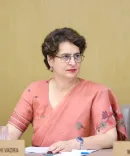
NCW Chairperson Emphasizes Media's Responsibility in Women's Reporting
Synopsis
Vijaya Rahatkar, Chairperson of the NCW, advocates for heightened sensitivity and responsibility in media reporting on women's issues, highlighting the need for ethical journalism and the protection of victim identities.
Key Takeaways
Media's Influence: The media shapes societal perceptions and must report responsibly.
Protection of Identity: Victim identities must be safeguarded in reporting.
Ethical Journalism: Gender-sensitive reporting is a professional obligation.
Fact-Checking: Essential to combat misinformation.
Broader Perspectives: Women’s issues should be framed in various contexts beyond crime.
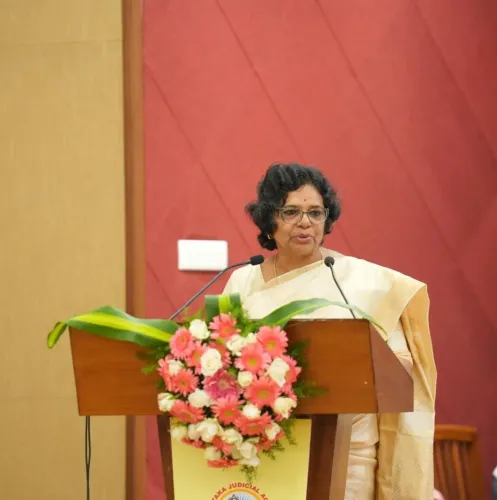
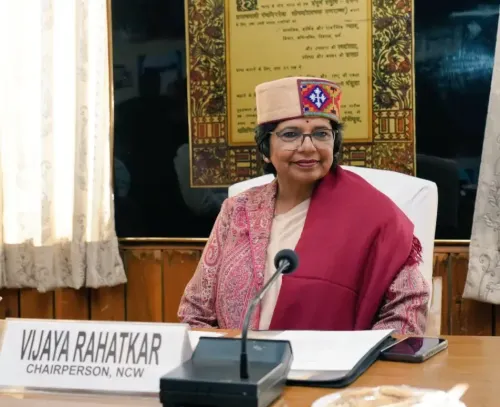
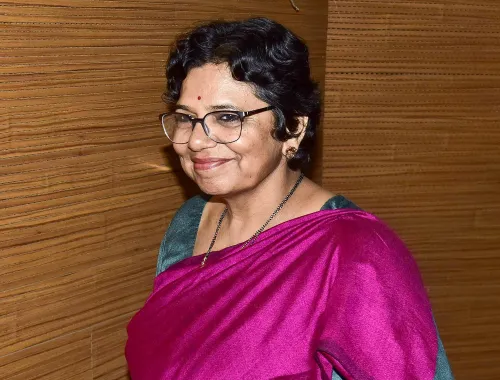
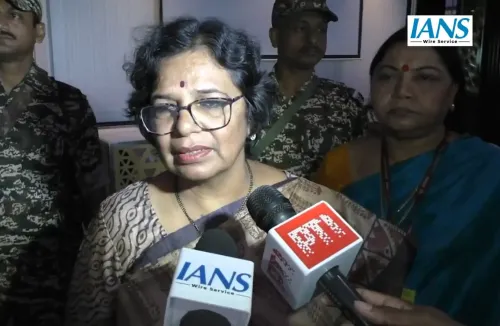
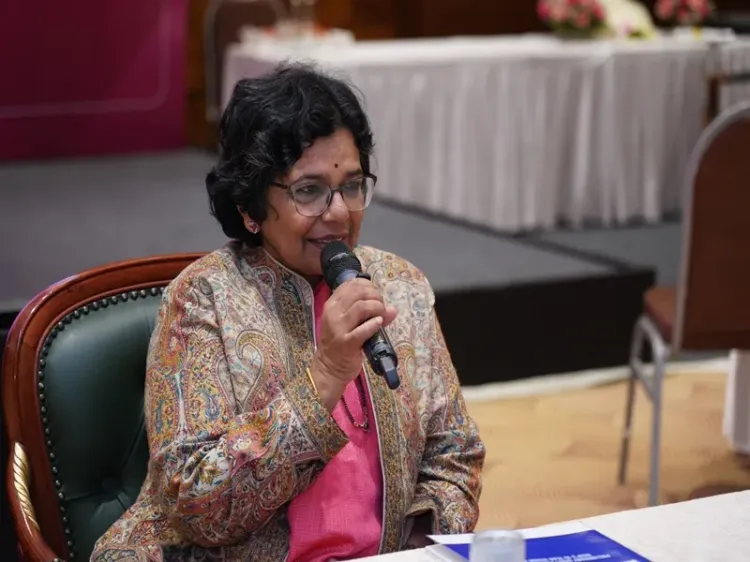
Mumbai, April 20 (NationPress) The Chairperson of the National Commission for Women (NCW), Vijaya Rahatkar, emphasized on Monday that the media serves not just as a conduit for information but as a significant influence in shaping societal perceptions. Thus, it is crucial for the media to maintain a high degree of sensitivity, accountability, and precision when addressing issues concerning women.
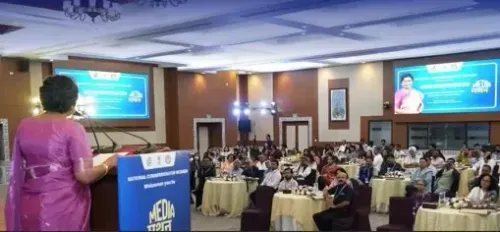
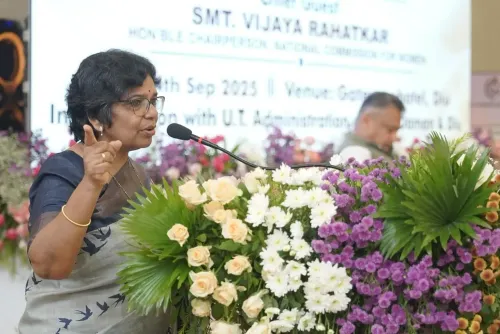
Speaking at the launch of the workshop titled "Women, Media, and Technology," which was co-hosted by the NCW and the Directorate General of Information and Public Relations (DGIPR) from the Maharashtra government, Rahatkar acknowledged the substantial progress women have achieved in various fields including science, technology, defense, administration, and entrepreneurship, while also recognizing the ongoing challenges they face. In this regard, she underscored the critical role that the media plays.
“In today's digital landscape, while swift reporting is crucial, the trustworthiness of news is even more important. Rigorous fact-checking is vital to prevent the dissemination of fake news and misinformation,” she stated.
Rahatkar outlined essential principles for ethical journalism concerning women’s issues, emphasizing that the protection of identity should always be a priority. When covering crimes against women, safeguarding the dignity and privacy of the victim must take precedence, and victim identities must remain confidential. She remarked that gender-sensitive reporting is not a choice but a professional obligation for all journalists.
“To ensure that reporting is both factually accurate and legally compliant, journalists must be well-versed in laws pertaining to women. Media organizations should uphold the integrity of the judicial process and refrain from conducting ‘media trials’,” she added.
Rahatkar called upon the media to expand their focus beyond merely reporting on criminal acts. She urged journalists to frame women’s issues within social, economic, and strategic contexts, ensuring that the narratives of marginalized women are brought to the forefront.
She acknowledged positive developments in recent years, such as enhanced protections for victim identities, the inclusion of more female experts in discussions, and consistent coverage of important legislation like the POSH Act (Prevention of Sexual Harassment) and issues related to human trafficking.
The Chairperson highlighted the necessity of showcasing women's success stories and their struggles.
“These narratives foster positive social transformation and establish role models for future generations,” she concluded.
Point of View
It’s imperative to recognize the media's role in shaping narratives around women's issues. The emphasis on factual reporting, ethical journalism, and protecting victims' identities reflects a commitment to responsible journalism that prioritizes societal well-being.
NationPress
19 Sept 2026
Frequently Asked Questions
What did Vijaya Rahatkar say about media's role in women's issues?
She stated that the media should act with sensitivity and responsibility while reporting women's issues, emphasizing the importance of fact-checking and ethical journalism.
Why is gender-sensitive reporting important?
It is crucial for ensuring the dignity and privacy of victims and is considered a professional responsibility for journalists.