NEET 2026 leak: Father paid ₹10 lakh for paper, son scored just 107
Synopsis
A father allegedly paid ₹10 lakh for a leaked NEET-UG 2026 question paper — and his son still scored just 107 marks. The CBI's probe into the Sikar-centred racket has now flagged nearly 150 students, a multi-state network of couriers and middlemen, and the possibility that the same family may have used leaked papers to clear NEET in 2025 as well.
Key Takeaways
Accused Dinesh Biwal allegedly paid ₹10 lakh for a leaked NEET-UG 2026 question paper for his son Rishi Biwal .
Rishi reportedly scored only 107 marks despite allegedly having advance access to the paper.
Rishi's marksheet reportedly surfaced online, purportedly showing he cleared the exam via grace marks .
The CBI has identified approximately 150 students potentially linked to the network, now under scrutiny.
Leaked papers were allegedly distributed via Telegram and WhatsApp ; a flat in Sikar served as an alleged coordination hub.
The alleged network spanned Sikar , Gurugram , Nashik , and other locations across Rajasthan.
The Central Bureau of Investigation (CBI) has uncovered a striking disclosure in the NEET-UG 2026 paper leak case: accused Dinesh Biwal allegedly paid nearly ₹10 lakh to procure a leaked question paper for his son Rishi Biwal — yet Rishi reportedly managed to answer questions worth only 107 marks in the examination. The case, which first surfaced in Rajasthan's Sikar district, has now become one of the most significant disclosures in the CBI's nationwide probe into the examination scam.
The Biwal Family at the Centre
According to investigators, Dinesh Biwal admitted during questioning that he had procured the leaked paper for his son. Despite allegedly having advance access to the question paper, Rishi's performance fell well short of expectations. The case drew further scrutiny after Rishi Biwal's academic marksheet reportedly surfaced online, purportedly showing that he cleared the examination with the assistance of grace marks.
The family had previously attracted public attention in 2025, when Dinesh Biwal posted on social media claiming that five children from his family had successfully cleared the NEET examination. Investigative agencies are now examining whether irregularities may have occurred in that cycle as well, with the CBI reportedly suspecting that leaked papers were used then too.
How the Alleged Network Operated
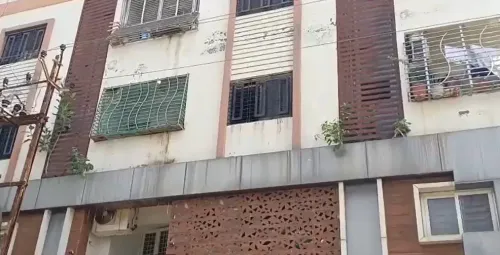
The CBI believes the operation was part of a larger, organised network spanning multiple states. According to investigators, leaked papers and related files were allegedly circulated through Telegram and WhatsApp groups via a chain of agents and intermediaries. Officials also identified a flat in Sikar that was allegedly being used as a coordination centre for distributing papers and managing communication with candidates.
In some cases, students were allegedly provided compilations of 500–600 'important' or likely questions to gain an unfair advantage. Initial negotiations reportedly took place through social media platforms, with deals allegedly struck with students and parents in exchange for money. Investigators say the network operated across several locations, including Sikar, Gurugram, Nashik, and other parts of Rajasthan.
Scale of the Investigation
The CBI has reportedly identified nearly 150 students who may have links to the network and are currently under scrutiny. Officials informed the court that the case may also involve the destruction of digital evidence, suspicious financial transactions, and possible insider involvement. Some members of the network allegedly acted as couriers, physically delivering leaked material to candidates — a role in which Dinesh Biwal and certain family members are suspected of participating.
Broader Concerns for Exam Integrity
The revelations have reignited serious concerns about the security and transparency of competitive examinations in India. This is not the first time NEET has been embroiled in a paper leak controversy — the examination has faced similar allegations in previous years, raising questions about systemic vulnerabilities in the conduct of high-stakes national tests. The CBI is continuing its efforts to identify the primary source of the leak and the key individuals behind the network.
With the probe expanding across states and the student count under scrutiny rising, the full scale of the alleged racket is yet to be established.
Point of View
Raising questions about how long such rackets run before they are caught. With 150 students under scrutiny and possible insider involvement flagged to the court, the probe's real test is whether it reaches the paper's source rather than stopping at the courier chain. India has seen NEET controversies before; without structural reform in exam delivery — including end-to-end digital proctoring and third-party audits — each cycle risks becoming the next scandal.
NationPress
25 Sept 2026
Frequently Asked Questions
What is the NEET 2026 paper leak case about?
The NEET-UG 2026 paper leak case involves an alleged organised network that sold leaked question papers to students and parents in exchange for money. The CBI is investigating the racket, which reportedly operated across multiple states including Rajasthan, Haryana, and Maharashtra, with a coordination hub identified in Sikar.
Who is Dinesh Biwal and what is his alleged role?
Dinesh Biwal is the accused father who allegedly paid nearly ₹10 lakh to procure a leaked NEET-UG 2026 question paper for his son Rishi Biwal. According to investigators, he admitted to obtaining the paper during questioning. He and certain family members are also suspected of acting as couriers within the network.
How many students are under investigation?
The CBI has reportedly identified approximately 150 students who may have links to the alleged paper leak network. All are currently under scrutiny, and officials have informed the court that the case may also involve destruction of digital evidence and suspicious financial transactions.
How were the leaked papers allegedly distributed?
According to investigators, leaked papers and related files were allegedly circulated through Telegram and WhatsApp groups via a chain of agents and intermediaries. Some members of the network also allegedly acted as physical couriers delivering material to candidates. A flat in Sikar was identified as an alleged coordination centre.
Is this the first NEET paper leak controversy?
No. NEET has faced paper leak allegations in previous years as well. The CBI is also examining whether the Biwal family may have benefited from leaked papers during the 2025 examination cycle, following a social media post by Dinesh Biwal claiming five family members cleared NEET that year.