Has Nepal Lifted the Ban on Carrying INR 200 and 500 Notes?
Synopsis
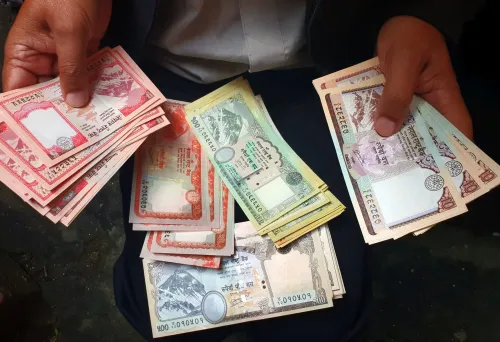
Nepal's recent decision to lift the ban on carrying Indian currency notes of INR 200 and INR 500 marks a significant shift in its economic policy. This change promises to simplify cross-border travel for both Nepali citizens and Indian tourists, enhancing their experiences and easing transactions.
Key Takeaways
Nepal has lifted the ban on INR 200 and INR 500 notes.
Travelers can now carry up to INR 25,000.
This decision benefits Nepalis traveling for medical treatment.
Indian tourists will face fewer restrictions.
The change follows a notification from the Reserve Bank of India.
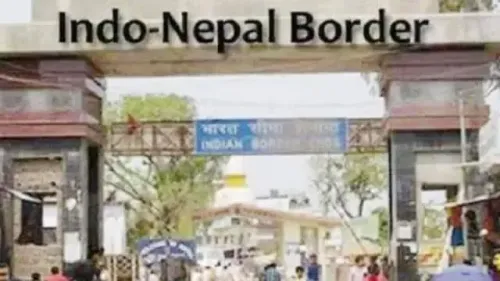
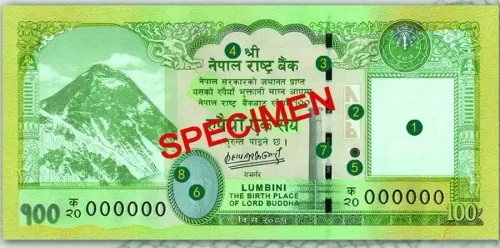
Kathmandu, Dec 15 (NationPress) The government of Nepal has, as of Monday, permitted both Nepali and Indian nationals to transport Indian currency denominations of INR 200 and INR 500 while crossing the border.
This Cabinet decision aligns with a notification from the Reserve Bank of India dated November 28, allowing anyone—excluding citizens of Bangladesh and Pakistan—to carry Indian currency notes exceeding INR 100 when traveling between India, Nepal, and Bhutan, with a cap of INR 25,000.
Government Spokesperson and Minister for Communication and Information Technology, Jagadish Kharel, informed the media post-Cabinet meeting that, "The Cabinet has opted to permit Nepali and Indian citizens to carry Indian currency notes of INR 200 and INR 500 during their travels to India and while returning to Nepal."
A senior official from the Nepal Rastra Bank indicated that this decision would facilitate easier travel for Nepalis seeking medical assistance and other services in India. Additionally, Indian tourists, including pilgrims visiting Nepal, who previously faced restrictions and complications due to the ban on higher denomination Indian currency, will also find relief from this new rule.
Following India's demonetization of INR 500 and INR 1,000 notes in November 2016, Nepal similarly prohibited the use of these notes within its borders.
On November 8, 2016, the Indian government demonetized INR 500 and INR 1,000 notes to combat corruption and uncover unreported wealth, introducing INR 2,000 notes as replacements. According to Nepal's central bank, unexchanged banknotes from that time valued at over INR 50 million remain in Nepal's banking system.
Residents in border regions between India and Nepal have long advocated for the relaxation of restrictions on higher denomination Indian notes to simplify daily activities.
Before the demonetization, Nepal's central bank had lifted restrictions on the usage of INR 500 and INR 1,000 notes in 2015, following the Reserve Bank of India's adjustments. Prior to this, a ban had been in place since June 2000 on these currency notes.
Point of View
This policy shift by Nepal's government highlights a responsive governance approach to the needs of its citizens and visitors alike. By allowing higher denomination Indian currency, Nepal is not only easing the burden on its residents but also enhancing its appeal as a tourism destination in a competitive regional landscape.
NationPress
24 Sept 2026
Frequently Asked Questions
What denominations of Indian currency are now allowed in Nepal?
Nepal has now allowed the carrying of Indian currency notes of INR 200 and INR 500.
Are there any restrictions on carrying Indian currency to Nepal?
Yes, Indian citizens can carry up to INR 25,000 in Indian currency while traveling to Nepal.
Why was the ban lifted?
The ban was lifted to facilitate easier travel for Nepalis seeking medical treatment in India and to assist Indian tourists visiting Nepal.