How a 15% US Tariff Can Transform Asia-Pacific Economies
Synopsis
A recent report reveals that the new 15% US tariff by President Trump could significantly benefit several Asia-Pacific nations, particularly those previously burdened with higher tariffs. This analysis raises critical questions about ongoing trade agreements and the future of US-China relations.
Key Takeaways
15% US Tariff: A uniform rate introduced by Trump.
Beneficiary Nations: Primarily China and Southeast Asia.
Trade Agreements: Ongoing negotiations with India and Indonesia remain unresolved.
US Supreme Court Ruling: Impacts US trade leverage.
Future Tariff Actions: Potential for alternative legal routes to maintain tariffs.
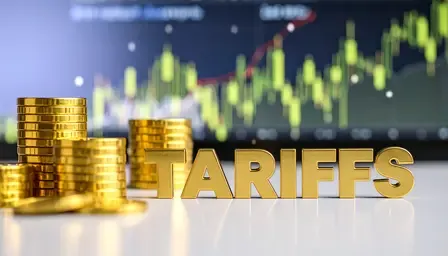
New Delhi, Feb 24 (NationPress) A consistent 15% US tariff introduced by President Donald Trump is expected to positively impact various economies in the Asia-Pacific region that had been subjected to higher, country-specific tariffs, according to a report released on Tuesday.
The analysis from Moody’s Analytics indicated that nations such as Japan, South Korea, and Taiwan would see limited changes since their tariffs are already close to 15%. Conversely, countries like China and numerous Southeast Asian nations stand to gain from this new tariff structure.
This development raises concerns regarding the recent trade agreements with India and Indonesia, with unresolved aspects including the timeline for India's reduction of Russian oil imports and the specifics of tariff-free textile exports from Indonesia. Furthermore, India has postponed its plans to dispatch a delegation to Washington.
The report highlights that the recent ruling by the US Supreme Court against country-specific tariffs has diminished Washington’s leverage in trade negotiations.
As uncertainty looms over an upcoming pivotal meeting between Trump and Chinese President Xi Jinping, scheduled for next month, expectations are that Trump will explore alternative legal avenues to impose tariffs. It is anticipated that US tariffs may revert to previous levels.
Some governments might delay the ratification of trade agreements with the US, fearing the imposition of harsher tariffs, as noted by the agency.
There are also potential compensation claims and an increase in front-loading shipments before the new tariffs take effect, contributing to trade uncertainty and logistical complications.
Tariffs under Section 122 are set to expire automatically after 150 days unless Congress votes for an extension. Although the timeframe is clear, experts indicate that the President could allow these measures to lapse and potentially reintroduce them by declaring a new balance-of-payments emergency, according to another report.
President Trump has cautioned nations against withdrawing from trade agreements, warning that doing so could result in elevated tariffs.
aar/pk
Point of View
The recent developments surrounding the US tariffs reflect a pivotal moment in international trade, particularly for the Asia-Pacific region. The potential benefits for various economies must be weighed against the backdrop of ongoing negotiations and the implications for US foreign policy.
NationPress
20 Sept 2026
Frequently Asked Questions
What is the new US tariff rate?
The new uniform US tariff rate is set at 15%.
Which countries will benefit from the new tariffs?
Countries like China and many Southeast Asian nations are expected to benefit from the new tariffs.
How does this affect trade agreements with India and Indonesia?
The report raises concerns about unresolved details in trade agreements with India and Indonesia, especially regarding oil imports and textile exports.
What is the significance of the US Supreme Court ruling?
The recent ruling against country-specific tariffs has reduced the US's leverage in trade negotiations.
What happens to tariffs after 150 days?
Tariffs imposed under Section 122 will automatically expire after 150 days unless Congress votes to extend them.