What Should We Expect from the US-India Trade Deal?
Synopsis
A recent report sheds light on the intricacies of potential changes in the US-India trade dynamics, emphasizing the importance of tariffs, market competition, and the strategic positioning of India in comparison to its Asian peers. As negotiations unfold, understanding these elements will be crucial for stakeholders in both nations.
Key Takeaways
US tariffs on India are currently set at 18%, favorable compared to other Asian nations.
Significant sectors like textiles and electronics stand to gain from tariff negotiations.
Indian agricultural goods could face challenges if tariffs are eliminated.
A trade deal may improve India's balance of payments and boost the equity market.
India's trade surplus with the US was declining due to high tariffs.
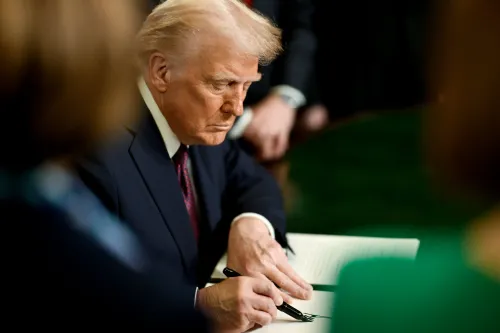
New Delhi, Feb 4 (NationPress) Historical trends reveal that trade declarations by US President Donald Trump tend to undergo revisions and reinterpretations, as stated in a recent report. The Indian government has yet to confirm any cessation of Russian oil purchases and has not indicated a complete tariff reduction with the US.
The report from JM Financial Institutional Securities also pointed out that India has not outlined a timeline for importing $500 billion worth of US products in sectors like energy, technology, agriculture, coal, and more.
“Over the past year, tariff policies have been frequently announced, amended, escalated, and then mitigated, often influenced by political and strategic objectives,” the report mentioned, referencing the US-Korea FTA and Trump’s recent tariff threats against European nations.
The analysis indicated that primary sectors likely to benefit from tariff reductions include diamonds and jewellery, textiles, machinery, chemicals, and automobiles.
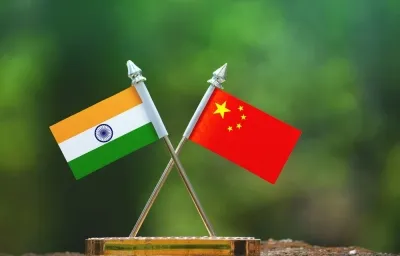
India is comparatively well-positioned against its Asian emerging-market counterparts, facing a new US tariff of 18%, which is lower than China’s approximately 30% and below Bangladesh, Vietnam, Sri Lanka, Pakistan, Indonesia, and the Philippines, which hover around 19–20%. This scenario could allow India to capture a greater market share in labour-intensive industries such as textiles, according to the report.
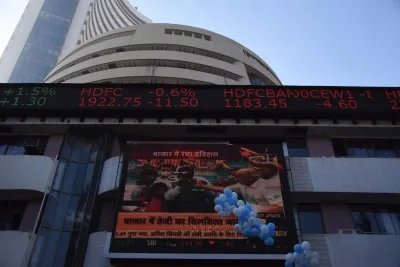
A trade agreement between the US and India could potentially enhance dollar inflows, bolster the balance of payments, lead to an appreciation of the INR, and uplift sentiments in the Indian equity market. However, the scale of foreign institutional investments remains uncertain due to elevated valuations, the report elaborated.
Electronics, which represent India’s largest export category to the US, remained largely unaffected by previous tariffs due to exemptions.
The brokerage noted that Indian agricultural products could encounter heightened competition if India opts to eliminate tariffs on imports from the US.
The US stands as India’s largest export market, constituting around 20% of total exports. A reduction in tariffs is expected to enhance bilateral trade flows and rejuvenate India’s trade surplus with the US, which had been on the rise annually until FY25, before witnessing a decline in FY26 due to elevated tariffs of 50%.
aar/na
Point of View
It’s crucial to recognize that while the future of the US-India trade relationship remains uncertain, India’s strategic positioning offers significant opportunities for growth. Stakeholders must remain vigilant and adapt to the evolving landscape, ensuring that India continues to thrive in global markets.
NationPress
23 Oct 2026
Frequently Asked Questions
What is the current status of US-India trade negotiations?
Negotiations are ongoing, with India yet to confirm any tariff reductions or changes to its purchasing agreements with Russia.
How will tariff reductions impact Indian exports?
Tariff reductions are expected to benefit key sectors such as textiles, machinery, and chemicals, enhancing India's market share.
What challenges could Indian agriculture face with a US trade deal?
Indian agricultural goods might face increased competition if tariffs on US imports are eliminated.
Which sectors are likely to benefit from the trade deal?
Sectors such as diamonds and jewellery, textiles, machinery, chemicals, and automobiles are positioned to gain from potential tariff reductions.
What are the implications of the US being India's largest export market?
The US accounts for about 20% of India's total exports, making it a critical partner for boosting trade flows and addressing trade surpluses.