How Does the India-US Trade Deal Ease Strains and Open New Pathways?

Synopsis
Discover how the latest interim trade agreement between India and the United States alleviates bilateral trade tensions and sets the stage for a stronger partnership. With significant tariff reductions and strategic engagements highlighted by Dhruva Jaishankar, this deal promises to reshape the future of trade relations.
Key Takeaways
Tariff Relief: Significant reductions on various imports.
Trade Expansion: Clearer pathways for trade growth.
Political Engagement: Enhanced dialogue between the two nations.
Sectoral Growth: Opportunities in agriculture and technology.
Future Prospects: Room for a more comprehensive agreement.
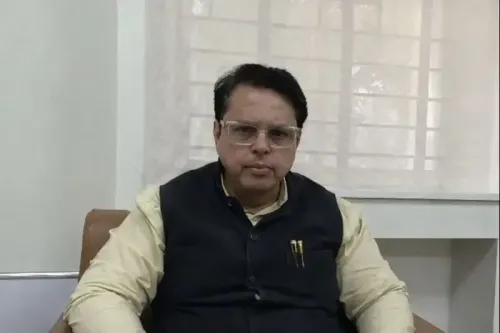
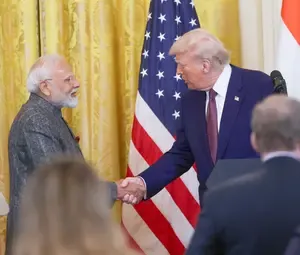
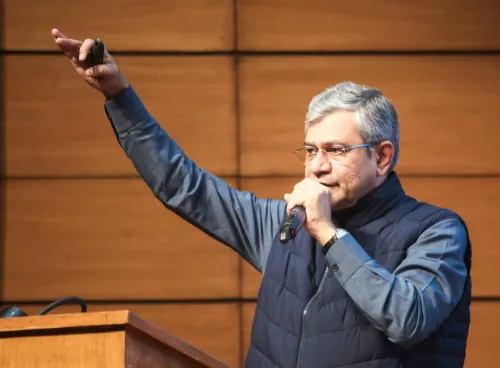
Washington, Feb 7 (NationPress) The interim trade agreement between India and the United States signifies a crucial reduction in bilateral trade tensions and presents an opportunity to reestablish a relationship that has faced challenges in recent months, according to Dhruva Jaishankar, executive director of the Observer Research Foundation America, during an interview. He highlighted factors such as tariff reductions, clearer trade strategies, and renewed political dialogue.
Jaishankar pointed out that a key initial move was the abolishment of a tariff associated with India's imports of Russian oil. "An executive order has been enacted by the White House… concerning tariffs on India's import of Russian oil… the 25 percent tariff has been removed," Jaishankar explained in his discussion with IANS.
He noted that the joint statement accompanying the agreement clarified the framework of this interim arrangement, including tariff rates. "Most imports from India will incur an 18 percent tariff, but several categories will experience lower rates," he mentioned, emphasizing that the agreement is interim, leaving room for a more comprehensive bilateral trade deal that may further decrease tariffs.
Among the "positive surprises" he identified for India was the advancement on Section 232 national security tariffs, which could impact around 10 percent of Indian exports to the U.S., encompassing sectors like pharmaceuticals, automotive, and aerospace components. "Some of these concerns… have also been addressed here," he added.
Jaishankar also highlighted India’s capability to acquire advanced technologies. "There was also a favorable mention of GPUs, or graphic processing units," he noted, indicating that India had previously expressed worries about U.S. export limitations in this domain.
Regarding agriculture, he stated that India has largely preserved its protective measures while permitting limited access. Concurrently, "Indian agricultural products in various sectors will now be exported to the U.S. with reduced tariffs, which is beneficial for the Indian farming community," he said.
A critical aspect of the agreement is India's declared intention to acquire $500 billion worth of U.S. goods over a five-year period, including sectors such as civil aviation, defense, nuclear energy, and fossil fuels.
Jaishankar cautioned that this should be interpreted as an intent rather than a certainty, citing production and technological limitations on the U.S. side. "There have been production shortfalls in these areas on the U.S. side," he remarked.
He stated that the deal assists in alleviating one of the most contentious issues in the bilateral relationship. "It enhances one of the primary areas… concerning trade and tariffs," he noted, adding that elevated tariffs had compelled Indian exporters to seek alternative markets. The agreement, he suggested, could facilitate a recalibration of the broader political relationship, with expectations of increased high-level interactions in the upcoming weeks and months.
Nonetheless, Jaishankar pointed out areas to monitor, including rebuilding trust, the longevity of the arrangement, and the distinction from binding, ratified trade agreements like India's pact with the European Union.
He also mentioned that there had been "no substantial change" in U.S. President Donald Trump's personal stance towards China and Pakistan, both of which have implications for India's security and economic interests.
Over the past decade, India and the U.S. have consistently expanded their trade, defense, and technological partnerships, even as disputes concerning tariffs and market access have intermittently strained their ties.
This interim agreement comes after months of uncertainty and is broadly viewed as a pathway towards a more extensive bilateral trade agreement between the world's largest and fifth-largest economies.
Point of View
It's crucial to recognize the significance of the recent interim trade agreement between India and the United States. This deal not only addresses pressing trade issues but also paves the way for enhanced cooperation in various sectors. It reflects a mutual commitment to strengthening ties despite existing challenges, thereby benefiting both nations economically and politically.
NationPress
30 Sept 2026
Frequently Asked Questions
What are the key benefits of the India-US trade deal?
The key benefits include tariff reductions on Indian imports, clearer trade roadmaps, and the opportunity for India to purchase advanced technologies and a projected $500 billion worth of U.S. goods.
How does the agreement impact Indian agriculture?
The deal allows Indian agricultural exports to be sent to the U.S. at lower tariffs, positively impacting the Indian farming sector.
What is the significance of the tariff relief?
Tariff relief helps in alleviating trade tensions, making it easier for Indian exporters to access the U.S. market, thus potentially increasing trade volumes.
Is this trade deal permanent?
No, the current agreement is interim in nature, with expectations for a more comprehensive bilateral trade agreement in the future.
What areas are still under scrutiny in the deal?
Key areas to observe include the rebuilding of trust, the sustainability of the arrangement, and the differences from ratified trade agreements.