Have the US and India Reached an Interim Trade Agreement?
Synopsis
The United States and India have announced a framework for an Interim Trade Agreement, marking a significant step towards a broader bilateral trade deal. With tariff reductions and commitments to resolve trade imbalances, this agreement could reshape economic ties between the two nations. Discover how this could impact global trade dynamics.
Key Takeaways
Framework for Interim Agreement: A step towards a comprehensive bilateral trade agreement.
Tariff Reduction: Import tariffs on Indian goods to drop from 25% to 18%.
Commitment to Cooperation: Both nations reaffirm their dedication to resolving trade imbalances.
Sector Impact: Various sectors including agriculture and technology will benefit.
Investment Goals: India plans to invest $500 billion in US products over five years.
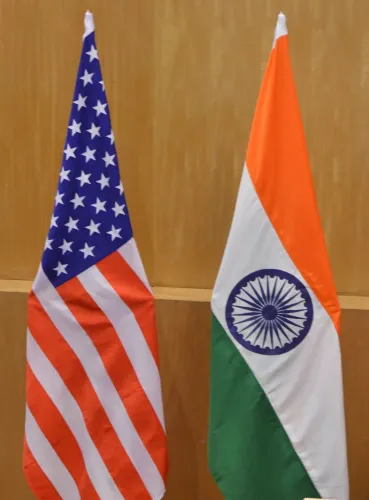
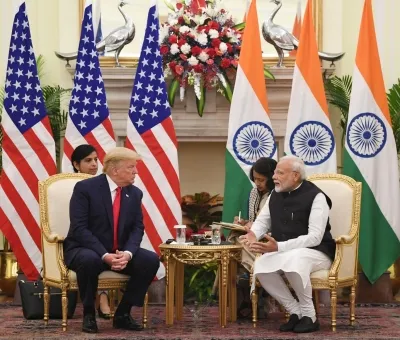
Washington, Feb 7 (NationPress) - The United States and India have unveiled a framework for an Interim Agreement focused on reciprocal and mutually beneficial trade. This initiative aims to propel discussions toward a more extensive bilateral trade deal, with the White House announcing a reduction in tariffs on Indian imports from 25% to 18%.
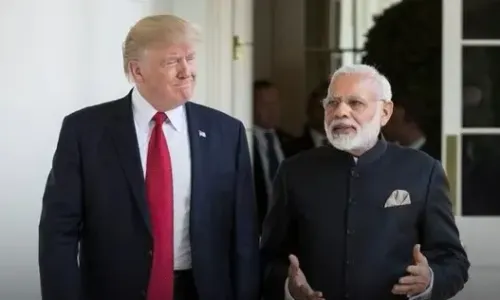
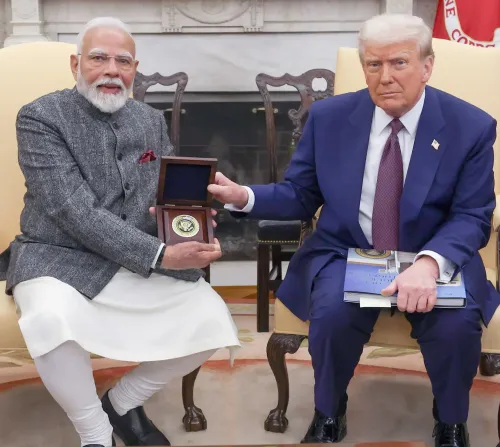
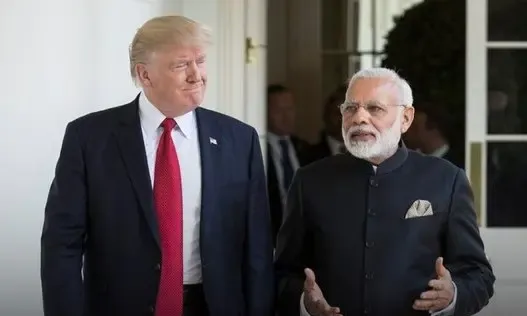
According to a joint statement, this framework reinforces the commitment of both nations to engage in negotiations for a US-India Bilateral Trade Agreement. These discussions were initiated by President Donald J. Trump and Prime Minister Narendra Modi on February 13, 2025. The interim deal is crafted to yield immediate benefits and enhance the resilience of supply chains, as stated by officials.
“The Interim Agreement between the United States and India marks a significant milestone in our countries’ collaboration, showcasing a mutual commitment to balanced trade that is founded on shared interests and tangible outcomes,” the announcement emphasized.
This week, Trump communicated with Prime Minister Modi and shared on Truth Social that the two nations have reached an understanding regarding a trade deal. He highlighted key goals such as reciprocity, broadened market access, and addressing long-standing trade disparities, while underscoring the strategic significance of economic relations with New Delhi.
Under this framework, India is set to lower or eliminate tariffs on all US industrial goods and various US food and agricultural items. These include dried distillers’ grains, red sorghum for animal feed, tree nuts, fresh and processed fruits, soybean oil, wines, spirits, and more.
In response, the United States will enact a reciprocal tariff rate of 18% on goods originating from India through an executive order aimed at tackling substantial and persistent trade deficits. This tariff will apply to products such as textiles, apparel, leather goods, plastic, rubber, organic chemicals, home décor, artisanal items, and specific machinery.
If the Interim Agreement is successfully finalized, the United States indicated it would lift the reciprocal tariff on a broad range of goods designated for aligned trading partners, including generic pharmaceuticals, gems, diamonds, and aircraft components.
The framework also eliminates US tariffs on certain aircraft and parts imported from India, which had been imposed under national security regulations concerning aluminum, steel, and copper imports. In a related decision, and in line with US national security standards, India will receive a preferential tariff-rate quota for automotive components that are subject to tariffs on vehicle and auto parts imports.
India is also set to benefit from negotiated outcomes regarding generic pharmaceuticals and their ingredients, contingent on the findings of a US Section 232 investigation.
Both nations have agreed to extend each other preferential market access in relevant sectors and to establish rules of origin, ensuring that the benefits of the agreement primarily favor the United States and India.
The joint statement also outlines provisions to tackle non-tariff barriers. India has committed to resolving longstanding issues affecting US medical devices and to abolishing restrictive import licensing procedures that hinder access for US information and communication technology products. India will also assess, within six months, whether US or international standards are acceptable for exports in specified sectors, and will work on barriers impacting US food and agricultural items.
The two countries have outlined collaborative efforts regarding standards, conformity assessment procedures, digital trade, and economic security. This encompasses initiatives on supply chain resilience, investment reviews, and export controls. India has expressed its intention to purchase $500 billion worth of US energy products, aircraft and parts, precious metals, technology goods, and coking coal over the coming five years. Additionally, both sides aspire to enhance trade and cooperation in technology products utilized in data centers.
The United States and India have pledged to swiftly implement this framework and to work towards finalizing the Interim Agreement, ultimately aiming to establish a mutually beneficial Bilateral Trade Agreement in alignment with the agreed roadmap.
Point of View
I believe this trade agreement between the United States and India is a significant development that underscores the importance of international partnerships. While both nations aim for mutual benefits, the broader implications for global trade and economic stability cannot be overlooked. It’s essential for both governments to navigate this relationship carefully to foster growth and cooperation.
NationPress
23 Sept 2026
Frequently Asked Questions
What is the US-India Interim Trade Agreement?
The US-India Interim Trade Agreement is a framework designed to enhance trade relations between the two countries by reducing tariffs and addressing trade imbalances.
How will tariffs change under this agreement?
Under the agreement, tariffs on Indian products will be reduced from 25% to 18%, while India will eliminate or lower tariffs on various US goods.
What are the expected benefits of this agreement?
The agreement aims to provide immediate results, strengthen supply chains, and promote balanced trade between the US and India.
What sectors will be impacted by this agreement?
The agreement will impact numerous sectors, including agriculture, pharmaceuticals, textiles, and technology.
What is the timeline for finalizing this agreement?
The United States and India have committed to swiftly implementing the framework and working toward finalizing the Interim Agreement.