How is Trump's Dealmaking Transforming India's Market for US Goods?
Synopsis
The recent trade deal between the United States and India signifies a monumental shift in economic relations, unlocking vast opportunities for American goods in India. As tariffs are lowered, both nations stand to benefit significantly. Read on to discover the implications of this historic agreement on bilateral trade.
Key Takeaways
Tariff reductions on American industrial and agricultural goods entering India.
Strengthening economic ties between the United States and India.
Opportunity for farmers and entrepreneurs in both countries.
Focus on supply chain resilience and security.
Commitment to addressing non-tariff barriers affecting trade.
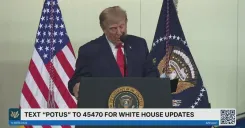
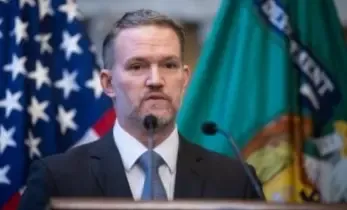
Washington, Feb 7 (NationPress) The trade negotiations spearheaded by US President Donald Trump are paving the way for American goods to enter India’s expansive market by reducing tariffs on both industrial and agricultural products, stated US Trade Representative Jamieson Greer.
Greer made these remarks on Friday following the White House's release of a joint statement that outlined a framework for an Interim Agreement between the United States and India, aimed at fostering reciprocal and mutually beneficial trade.
According to Greer, President Trump's negotiations are unlocking one of the world’s largest economies for American workers and businesses, decreasing tariffs on all US industrial goods and a diverse range of agricultural items.
“This announcement today illustrates the strengthening relationships between the United States and India, as we build new opportunities for farmers and entrepreneurs in both nations,” he noted.
Greer expressed gratitude towards Indian commerce leaders for their efforts in advancing the negotiations and acknowledged Indian Minister of Commerce and Industry Piyush Goyal for his role in achieving what he termed fair and equitable trade.
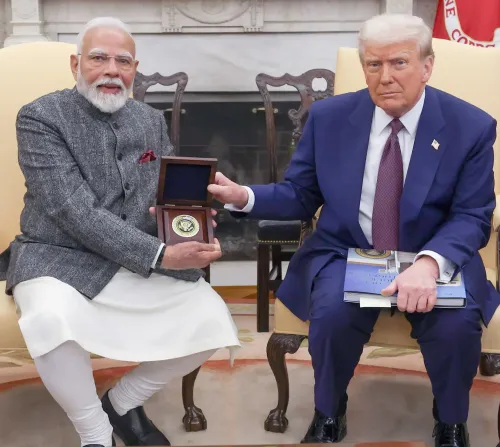
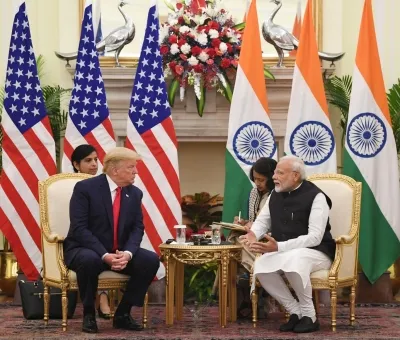
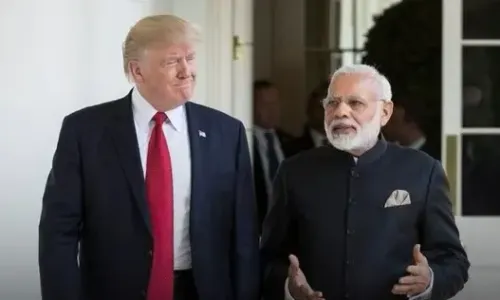
The framework reaffirms the commitment of both nations to engage in discussions for a broader US-India Bilateral Trade Agreement, a dialogue that was initiated by Trump and Prime Minister Narendra Modi on February 13, 2025. Officials indicated that the Interim Agreement aims to yield early and tangible results while reinforcing supply chains.
“The Interim Agreement represents a significant milestone in our partnership, showcasing a mutual commitment to reciprocal and balanced trade grounded in shared interests and concrete outcomes,” the joint announcement stated.
As part of the framework, India will eliminate or lower tariffs on all US industrial goods, and will also reduce duties on a variety of US food and agricultural items, such as dried distillers’ grains, red sorghum for animal feed, tree nuts, fresh and processed fruit, soybean oil, wine and spirits, among others.
In return, the United States will impose a reciprocal tariff rate of 18 percent on Indian products under an executive order aimed at addressing the substantial and persistent US goods trade deficit. This tariff will affect items including textiles and apparel, leather and footwear, plastics and rubber, organic chemicals, home décor, artisanal products, and specific machinery.
If the Interim Agreement is successfully concluded, the United States has indicated it will lift the reciprocal tariff on certain goods identified for aligned partners, which may include generic pharmaceuticals, gems and diamonds, and aircraft parts.
The framework also stipulates the removal of US tariffs on certain aircraft and parts imported from India, which were imposed under national security proclamations regarding aluminum, steel, and copper imports. In alignment with US national security standards, India will receive a preferential tariff-rate quota for automotive parts.
Additionally, India will achieve negotiated results concerning generic pharmaceuticals and their ingredients, contingent upon the findings of a US Section 232 inquiry.
Both nations have agreed to enhance preferential market access in sectors of mutual interest and will establish rules of origin to ensure the agreement's benefits mainly accrue to the United States and India. They have also committed to tackling non-tariff barriers influencing bilateral trade.
India has consented to address persistent barriers impacting US medical devices and will eliminate restrictive import licensing measures that delay access for US information and communication technology goods.
Within six months, India will determine whether US-developed or international standards are acceptable for exports in specified sectors. Furthermore, it has agreed to confront barriers affecting US food and agricultural products.
The framework details collaboration on standards, digital trade, and economic security, encompassing efforts on supply chain resilience, investment reviews, and export controls. India has expressed its intention to procure $500 billion worth of US energy products, aircraft and parts, precious metals, technology items, and coking coal over the next five years, while also aiming to expand trade in technology products utilized in data centers.
The United States and India have stated their intention to expedite the implementation of the framework and work towards finalizing the Interim Agreement, with the goal of establishing a mutually advantageous Bilateral Trade Agreement according to the agreed roadmap.
This announcement follows several months of intensified engagement between trade officials from both countries, as Washington connects market access with supply chain security, manufacturing, and technological cooperation.
Point of View
This trade agreement marks a significant milestone in US-India relations. It presents a unique opportunity for both nations to enhance economic cooperation and mutual benefits. However, it is crucial to monitor the long-term impacts on local industries and ensure that the agreement fosters equitable growth.
NationPress
2 Oct 2026
Frequently Asked Questions
What is the main purpose of the Interim Agreement?
The Interim Agreement aims to lower tariffs on US goods entering India, fostering reciprocal trade and creating economic opportunities for both countries.
Who played a significant role in advancing the negotiations?
Indian Minister of Commerce and Industry Piyush Goyal has been instrumental in pursuing fair trade negotiations.
What types of products will see reduced tariffs?
The agreement will lead to reduced tariffs on a wide range of US industrial goods and agricultural products, including food items and pharmaceuticals.
How will this agreement affect supply chains?
The deal aims to strengthen supply chains between the US and India, ensuring smoother trade flow and efficiency.
What are the expected outcomes of the agreement?
The agreement is expected to create new opportunities for farmers and entrepreneurs while supporting economic growth in both nations.