Will the Interim Agreement Pave the Way for a Comprehensive US-India Trade Deal?
Synopsis
Discover how the recent US-India Interim Agreement, reducing tariffs to 18%, could reshape bilateral trade relations and impact various sectors. Will this be a game-changer for India’s economy and its global standing?
Key Takeaways
Reduction of US tariffs on Indian goods from 25% to 18% .
Launch of negotiations for a broader US-India Bilateral Trade Agreement (BTA) .
Potential benefits for sectors like textiles, footwear, and MSMEs .
Concerns from the agricultural community regarding competition .
Focus on protecting India's domestic interests in negotiations .
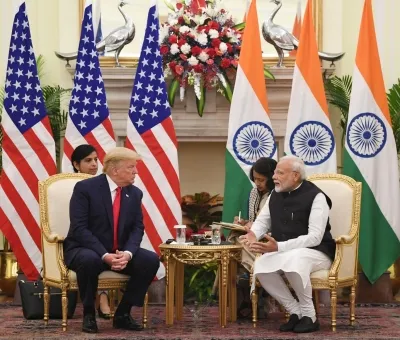
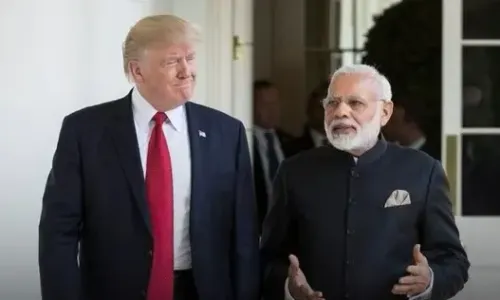
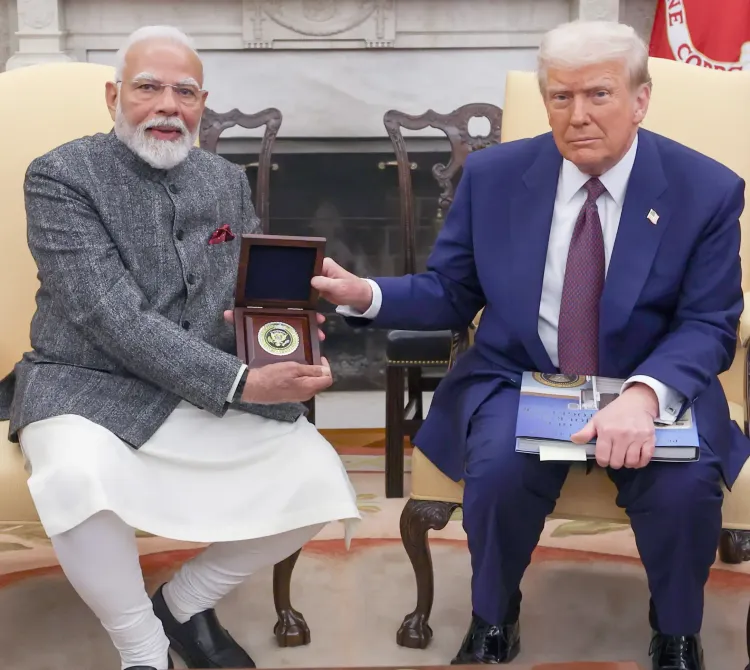
New Delhi, Feb 7 (NationPress) Following the official confirmation from US President Donald Trump regarding the eagerly anticipated bilateral trade agreement, which will see American tariffs on Indian products drop from 25% to 18%, Prime Minister Narendra Modi's affirmation led to mixed reactions from various sectors. Early on Saturday, before most in India were awake, the announcement of an US-India Joint Statement unveiling an Interim Agreement was made.
This framework is set to catalyze negotiations for the broader US-India Bilateral Trade Agreement (BTA), initiated by President Trump and PM Modi on February 13 of the previous year.
After several months of challenging discussions, this significant development followed a phone call between PM Modi and President Trump prior to the announcement on February 2.
The market responded positively, as the United States is India's largest trading partner; however, concerns particularly from the agricultural sector lingered.
Initially, there was skepticism about the deal's realization; now, apprehensions regarding the potential sacrifice of domestic interests have emerged, despite the final agreement still being under negotiation. Nonetheless, many reactions have labeled it the 'father of all deals', especially after India concluded its 'mother-of-all' trade deal with the European Union just a week earlier. This agreement is anticipated to provide India with a competitive edge and bolster relations between Washington and New Delhi.
With tariffs set at 18%, India’s position is slightly more favorable compared to those imposed on ASEAN nations and neighboring countries like Pakistan and Bangladesh.
In contrast, the US's reciprocal tariffs range from 19% to 20% for these nations. While industries such as textiles, footwear, light manufacturing, and engineering goods stand to gain, there are worries regarding the potential influx of agricultural and dairy products.
Key features of the US-India Interim Agreement state: “India will eliminate or reduce tariffs on all U.S. industrial goods and a wide variety of U.S. food and agricultural products, including dried distillers’ grains (DDGs), red sorghum for animal feed, tree nuts, fresh and processed fruit, soybean oil, wine and spirits, and additional products.”
Most of these items are already being imported and were expected to be included in the agreement.
Commerce Minister Piyush Goyal has underscored that India's food and agricultural interests will be protected. Meanwhile, the government has positioned the deal as advantageous for MSMEs, entrepreneurs, skilled laborers, and access to cutting-edge technologies.
Numerous specifics are still to be finalized. The agreement is characterized as an “interim” framework. Negotiators will now convert broad commitments into legally binding tariff schedules, lists of goods eligible for preferential treatment, and dispute resolution mechanisms.
Overall, lower reciprocal tariffs will lessen the landed cost of Indian goods in the US market, which is crucial for labor-intensive sectors like textiles, apparel, footwear, and specific engineering products.
Experts expect that exporters in these fields may recover some market share lost to competitors benefitting from lower US tariffs, according to recent reports.
Moreover, the framework explicitly mentions opportunities for small and medium enterprises, where diminished tariffs and clearer rules of origin could facilitate easier access for smaller suppliers to US buyers and integration into global value chains.
Additionally, sectors such as gems and jewelry, chemicals, rubber, home decor, and seafood (notably shrimp) are anticipated to benefit from tariff relief, alleviating margin pressures and aiding inventory management.
Conversely, domestic industries competing with imports – particularly in capital goods, ICT hardware, and medical devices – may encounter increased competition from US suppliers if India relaxes protections in these domains.
The deal is framed within a broader geopolitical context: enhanced economic ties with the US can facilitate technology transfers, investment in data centers and semiconductors, and collaboration on supply chain resilience – all key priorities in India's industrial strategy.
Point of View
I believe that the recent US-India Interim Agreement marks a significant step towards strengthening economic ties. While it presents opportunities, particularly for MSMEs and certain export sectors, it is crucial to remain vigilant about the potential impacts on domestic industries. The government must ensure that negotiations prioritize India's interests while fostering a competitive global marketplace.
NationPress
29 Sept 2026
Frequently Asked Questions
What is the significance of the US-India Interim Agreement?
The agreement aims to reduce tariffs on Indian goods, fostering closer economic ties between the US and India, and potentially paving the way for a broader trade deal.
How will this agreement affect Indian exporters?
Lower tariffs are expected to reduce the cost of Indian goods in the US, helping exporters regain market share lost to competitors facing lower US duties.
What sectors may benefit from the agreement?
Industries such as textiles, footwear, engineering goods, and MSMEs are likely to gain from reduced tariffs and enhanced access to the US market.
Are there any concerns regarding the Interim Agreement?
Yes, concerns exist among the farming community about the potential influx of agricultural products and the impact on domestic industries.
What are the next steps following this agreement?
Negotiators will work on finalizing legally binding tariff schedules, product lists for preferential treatment, and dispute resolution mechanisms.