How Does the India-US Interim Trade Deal Provide Exporters and Farmers a Competitive Edge?
Synopsis
The new interim trade deal between India and the US, reducing tariffs to 18%, is hailed as a game-changer for Indian farmers, exporters, and industries, promising enhanced competitiveness and economic momentum. Leaders applaud the agreement as a strategic victory, emphasizing its potential to bolster India's position in global markets.
Key Takeaways
Tariffs on Indian goods exported to the US reduced to 18% .
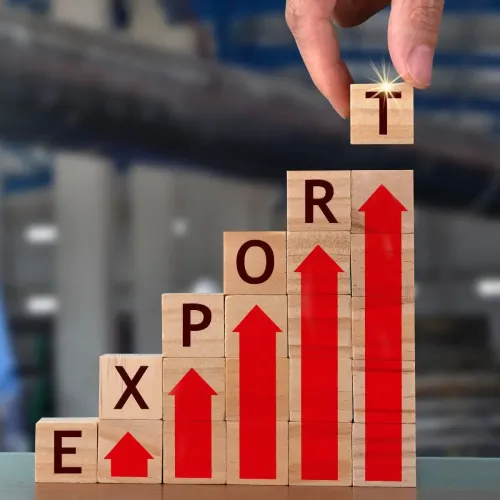
Significant boost for Indian exporters , small industries, and farmers.
The deal enhances India's global trade competitiveness .
Strategic alignment with the US post agreements with the EU.
Concerns raised about India's strategic autonomy .
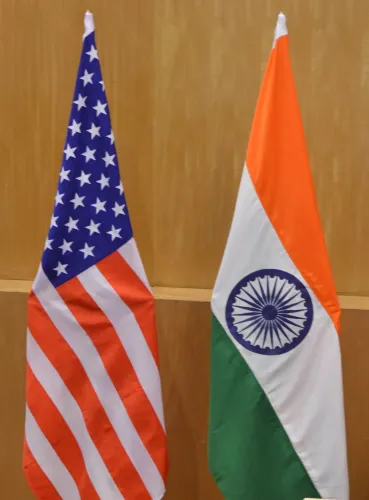
New Delhi, Feb 7 (NationPress) The recent interim trade agreement between the United States and India, which reduces US tariffs on Indian goods to 18 percent, has been celebrated by leaders from ruling parties as a substantial advantage for India’s exporters, small industries, farmers, and workers.
Leaders from the NDA have expressed that this deal is particularly notable as it follows what they term a landmark agreement with the European Union. They assert that this new trade framework will enhance the competitiveness of Indian products in international markets while bolstering the nation’s economic drive.
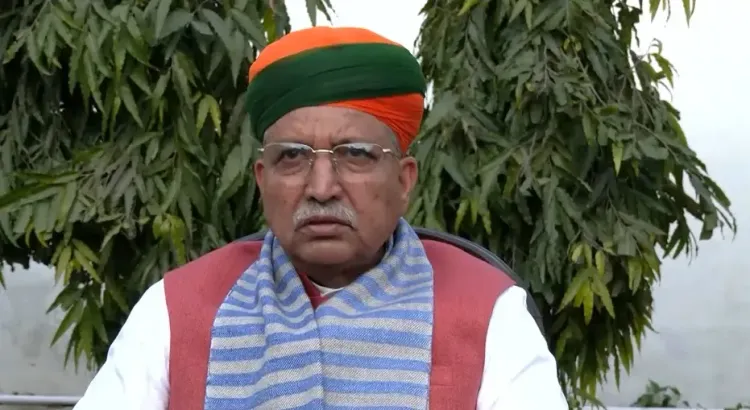
Union Minister Arjun Ram Meghwal praised the agreement, emphasizing India's ongoing efforts to expand its global trade relationships.
“We are forging Free Trade Agreements with numerous nations, which will attract investment and invigorate our economy. We are grateful for all trade deals and those who made them possible,” he stated.
Union Education Minister Dharmendra Pradhan highlighted that India’s economic standing is robust and that trade alliances are rapidly expanding.
“India’s economy is in a strong position. We have engaged in trade agreements with various countries, including recent discussions with New Zealand, the UK, and the US. This will provide a significant boost to our industries and businesses,” he noted.
Shiv Sena leader Shaina NC congratulated Prime Minister Narendra Modi, stating that the agreement reflects a careful balance of diplomacy and national interest.
“Kudos to Prime Minister Modi for ensuring that India emerges victorious alongside dialogue. This trade deal is a triumph for India, enhancing our imports, exports, and the 'Make in India' initiative, with more successes to come,” she remarked.
Shiv Sena leader Sanjay Nirupam added, “Ultimately, the US administration issued its executive order. President Donald Trump recently disclosed that the elevated tariffs on India would be lifted. Now, an 18 percent tariff will be applied on all Indian goods exported to the US, a testament to the Indian government’s persistent efforts through trade discussions and negotiations.”
Rajya Sabha MP Harsh Vardhan Shringla referred to the interim deal as a strategic win for Indian stakeholders.
“This is a critical agreement, coming right after we finalized a major deal with the European Union, consisting of 27 nations. The trade deal with the United States now affords our exporters, small businesses, farmers, and laborers a significant edge over their competitors,” he explained.
Uttar Pradesh Deputy Chief Minister Keshav Prasad Maurya noted that the agreement prioritizes India’s interests.
“Under Prime Minister Modi's leadership, trade agreements with the United States have been crafted with India's priorities in mind. Alongside the US, trade pacts with the European Union, the UK, and several others will enhance India’s economy,” he stated.
BJP spokesperson Pratul Shah Deo affirmed that the lowered tariffs will directly benefit Indian exporters.
“The trade agreement with the United States, along with the earlier FTA with the European Union, are two monumental agreements. I deem them ‘major deals’ as tariffs have been slashed from 50 percent to 18 percent, facilitating Indian exporters in making their goods more competitive in the US market,” he elaborated.
JD(U) national spokesperson Rajeev Ranjan Prasad commented that the framework secures India’s interests and presents a significant opportunity for producers. “The interim trade deal framework clearly safeguards India's interests. It also addresses allegations raised by the Opposition. This is a golden opportunity for Indian producers and exporters, as India has now signed nine substantial trade agreements with some of the globe's largest economies,” he stated. He added that the deal is projected to invigorate the manufacturing sector and fortify India’s stature as a global economic leader.
Bihar Minister Dilip Kumar Jaiswal criticized the Opposition’s reactions. “When tariffs rise, the Opposition protests; yet, when the United States lowers tariffs, they remain concerned. Today, India has taken steps to solidify its position as the world’s fourth-largest economic power, alongside enhancing its security framework,” he remarked.
Meanwhile, Congress MP Sukhdeo Bhagat raised questions regarding the implications of the agreement, especially concerning strategic autonomy.
“Will Trump dictate from whom India can procure oil and whom it can partner with? This represents a direct threat to India’s sovereignty. Prime Minister Modi seems to avoid Parliament; he appears intimidated here, anxious about Trump elsewhere, and apprehensive of inquiries. I contend this is not merely a trade deal; it poses risks to our strategic autonomy,” he asserted.
Point of View
The interim trade deal between India and the US signifies a strategic alignment that emphasizes India's growing role in global trade. While it draws attention from various political factions, the overall consensus highlights the deal's potential to enhance economic growth and competitiveness, reinforcing India's position on the world stage.
NationPress
25 Sept 2026
Frequently Asked Questions
What does the interim trade deal involve?
The interim trade deal between India and the US involves reducing US tariffs on Indian goods to 18%, which is expected to enhance the competitiveness of Indian products in global markets.
How will this deal benefit Indian exporters?
By lowering tariffs, Indian exporters can sell their products in the US market at more competitive prices, thereby increasing their market share.
What is the significance of this agreement for farmers?
The trade deal is expected to provide Indian farmers with better access to the US market, increasing their potential for exports and profitability.
Are there any concerns regarding this deal?
Some opposition leaders have raised concerns about the implications for India's strategic autonomy and whether external influences may dictate India’s trade decisions.
What other countries has India recently signed trade agreements with?
India has recently concluded trade agreements with countries including New Zealand, the UK, and the European Union.