Will the US Trade Deal Enhance the Global Competitiveness of Indian Products?
Synopsis
The recent India-US trade agreement is poised to enhance the global standing of Indian products, stimulate manufacturing, and create numerous jobs. With reduced tariffs, particularly benefiting the apparel industry, this deal signifies a pivotal moment for economic collaboration between the two nations.
Key Takeaways
Reduction of tariffs from 25% to 18% enhances competitiveness.
Trade deal fosters growth in manufacturing and job creation.
Strengthens resilient supply chains across sectors.
Positive implications for the apparel industry and women workforce.
Reinforces India's position as a global sourcing hub.
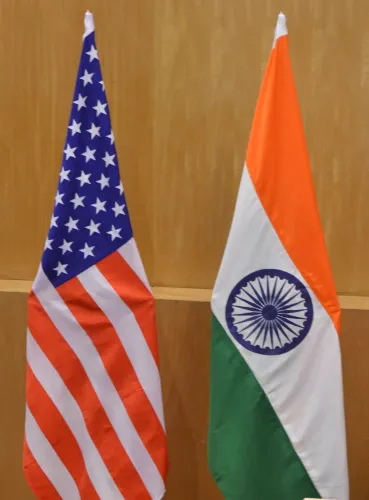
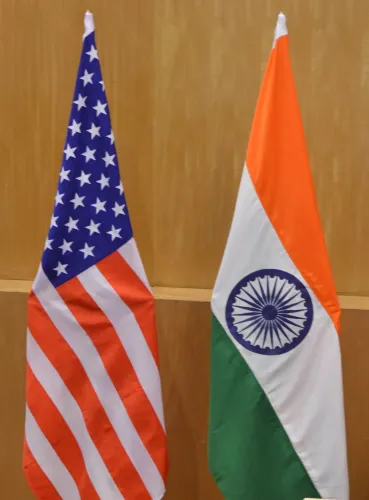
New Delhi, Feb 3 (NationPress) Prominent industry associations stated on Tuesday that the India-US trade agreement is set to significantly improve the global competitiveness of Indian products, while also fostering growth in manufacturing, job creation, and the establishment of resilient supply chains.
The US has promptly reduced its reciprocal tariffs on Indian goods from 25% to 18%, and has eliminated an additional 25% tariffs previously imposed on India for acquiring Russian oil.
“The anticipated reduction of tariffs to 18% is a notable advancement in the strategic economic partnership between India and the US,” commented Rajiv Memani, President of the CII.
This trade agreement emphasizes the mutual commitment of both nations to strengthen their trade, technology, and investment connections in a highly competitive global environment.
“CII looks forward to engaging with business leaders in both countries to convert this momentum into concrete results for enterprises and sustained economic progress,” Memani remarked.
PHDCCI President Rajeev Juneja noted that the US's decision to lower tariff duties is indicative of a renewed dedication to trade openness and economic efficiency.
“The reduction of tariffs decreases input costs for domestic industries, fortifies supply chains, and alleviates inflation by lowering expenses for businesses and consumers. Key sectors—including manufacturing, technology, healthcare, and renewable energy—will benefit from improved access to essential goods, capital equipment, and critical components,” he stated.
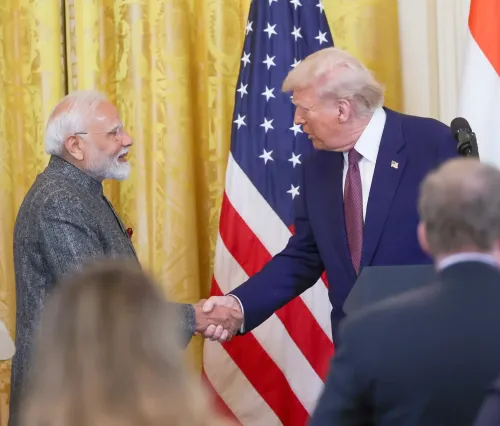
This strategy aligns with the spirit of collaboration fostered by the strong personal relationship between Prime Minister Narendra Modi and US President Donald Trump, enhancing trust and stability in bilateral trade, added Juneja.
Dr. A Sakthivel, Chairman of the AEPC, expressed that this breakthrough is a timely and welcome development for the Indian apparel sector, which has faced challenges due to the previously high US tariff of 50%.
“The US remains our largest export market, and improved trade conditions will greatly enhance the competitiveness of Indian apparel in the US market. This change is expected to significantly boost apparel exports, attract new investments throughout the value chain, and solidify India’s role as a dependable global sourcing hub,” he stated.
Significantly, as the apparel sector is one of the largest job creators, this favorable shift is likely to secure current jobs and generate substantial new employment opportunities, especially for women and workers in labor-intensive industries, emphasized Sakthivel.
Point of View
It is evident that the India-US trade deal represents a strategic leap towards enhancing bilateral economic relations. This agreement not only aims to bolster India's manufacturing capabilities but also emphasizes job creation and sustainable growth, aligning with national interests. Such partnerships are vital in today’s competitive landscape and hold immense promise for the future.
NationPress
30 Sept 2026
Frequently Asked Questions
What is the impact of the India-US trade deal on Indian products?
The India-US trade deal is expected to significantly boost the global competitiveness of Indian products by reducing tariffs, thereby enhancing manufacturing growth and creating jobs.
How much have the tariffs on Indian goods been reduced?
Tariffs on Indian goods have been reduced from 25% to 18%, with an additional 25% tariffs waived for purchasing Russian oil.
Which sectors will benefit from the reduced tariffs?
Key sectors such as manufacturing, technology, healthcare, and renewable energy will benefit from reduced tariffs by gaining improved access to essential goods and components.
What does this deal mean for the apparel industry?
The trade deal is particularly beneficial for the apparel industry, expected to enhance its competitiveness in the US market and create new employment opportunities.
Why is the relationship between Modi and Trump important for trade?
The personal rapport between Prime Minister Modi and President Trump reinforces trust and predictability in bilateral trade, fostering a spirit of cooperation.