How Does the US Tariff Cut to 18% Impact India’s Trade and Textile Sector?
Synopsis
The recent decision by the US to slash tariffs on Indian imports and exports to 18% has been welcomed by experts. This significant move is expected to boost bilateral trade and provide essential support to India's textile industry. Discover what this means for the future of trade between India and the US.
Key Takeaways
US tariffs on Indian imports reduced to 18% Significant relief for India's textile sector Expectations of enhanced bilateral trade Quality of goods to be monitored Exclusions include dairy and certain agricultural products
New Delhi, Feb 4 (NationPress) Experts expressed optimism on Wednesday regarding the United States’ recent announcement to lower tariffs on Indian imports and exports to 18 percent. They believe this development will enhance bilateral trade and deliver significant support to the textile sector.
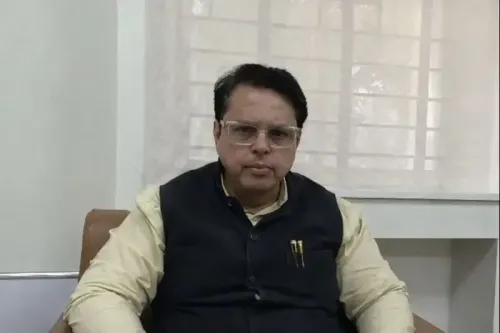
In an interview with IANS, agricultural economist Dr. R.S. Ghuman noted that under the World Trade Organization (WTO) guidelines, imposing such high tariffs is generally inappropriate, as they hinder the growth of bilateral trade.
“With the tariffs now set at 18 percent, this decision is anticipated to greatly facilitate import and export operations between the two nations,” he stated.
“This action is poised to infuse new energy into trade and enhance overall business endeavors,” Ghuman remarked to IANS.
Dr. Ghuman further indicated that while the decision is favorable, it will be crucial to oversee the quality of goods exchanged in the future.
He mentioned that dairy and certain agricultural items have been excluded from the current tariff arrangement.
“India excels globally in rice exports, which are intricately associated with the Minimum Support Price (MSP) system,” he emphasized.
“In this context, the decision may also have consequences within the larger framework of global trade,” he added.
Despite the current focus on bilateral commerce, India stands to reap substantial benefits from the tariff reduction, according to him.
Meanwhile, representatives from the textile industry have hailed the US’s decision as a significant relief. Selvaraj, Secretary General of the Southern India Mills’ Association (SIMA), referred to the reduction from the previous 50 percent punitive tariff to 18 percent as a “lifeline” for the industry.
Selvaraj expressed appreciation to the Prime Minister and the Union Ministers for Commerce and Textiles for their diplomatic efforts in negotiating the lowered 18 percent tariff rate.
“This new rate is now the lowest among competing export nations, which reinstates India’s global competitiveness,” he informed IANS.
He also pointed out that recent trade agreements with the UK and Europe, along with favorable measures announced in the Union Budget 2026–27, have bolstered the industry’s confidence.
Point of View
The reduction of US tariffs on Indian goods is a strategic move that not only enhances trade relations but also reinforces India's position in the global textile market. While this development is promising, it underscores the necessity for ongoing vigilance regarding trade quality and international agreements.
NationPress
2 Oct 2026
Frequently Asked Questions
What is the new tariff rate imposed by the US on Indian imports?
The new tariff rate imposed by the US on Indian imports and exports is 18 percent.
How will this tariff reduction affect the textile industry in India?
This tariff reduction is expected to provide significant relief to the textile industry, enhancing competitiveness and boosting trade.
What sectors are excluded from the tariff reduction?
Dairy and certain agricultural products are excluded from the current tariff reduction arrangement.
Who expressed gratitude for the tariff negotiation efforts?
Selvaraj, Secretary General of the Southern India Mills’ Association (SIMA), expressed gratitude to the Prime Minister and Union Ministers for their diplomatic efforts.
What are the potential implications of this tariff reduction?
The tariff reduction could have broader implications for global trade frameworks and enhance India’s competitiveness among exporting nations.