What Sectors Will Benefit from the New India-US Trade Deal?
Synopsis
The recent India-US trade deal has set the stage for significant growth in sectors like textiles, engineering goods, and leather. With tariffs reduced to 18%, Indian exporters can anticipate a surge in orders and enhanced competitiveness in the global market. Discover how this agreement shapes the future of Indian exports.
Key Takeaways
Tariffs on Indian-made products reduced to 18% .
Significant benefits for engineering goods , textiles , and leather .
Immediate release of orders in labor-intensive sectors .
Improved competitiveness for Indian exporters in the US market .
Potential for capacity expansion and job creation .
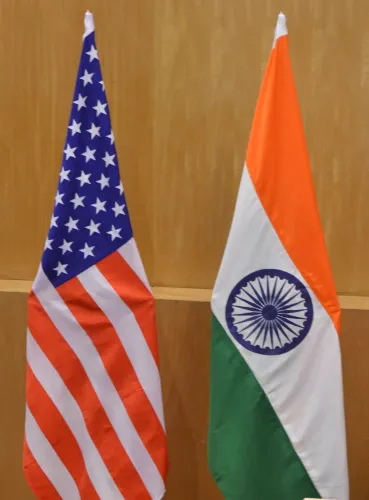
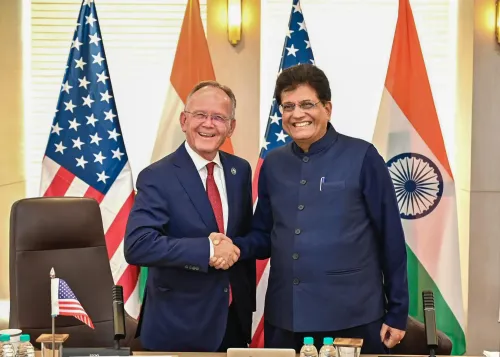
New Delhi, Feb 3 (NationPress) The Federation of Indian Export Organisations (FIEO) expressed enthusiasm on Tuesday regarding the conclusion of the India-US trade agreement. Under this deal, the United States has committed to lowering tariffs on all 'made in India' items to 18 percent, marking a pivotal moment in enhancing and fortifying the trade relationship between both nations.
Industries such as engineering goods, textiles and garments, pharmaceuticals, chemicals, leather products, gems and jewellery, and agricultural goods are anticipated to experience notable benefits from this tariff adjustment.
This change is expected to prompt a swift and substantial influx of orders that were previously postponed, especially in labor-intensive sectors such as apparel, textiles, leather, and footwear, where global buyers usually finalize summer season sourcing by December.
SC Ralhan, President of FIEO, stated that this agreement will enhance the competitiveness of Indian offerings in the US market and provide a significant boost to India’s export growth across various sectors.
“The completion of the India–US Trade Deal and the reduction of US tariffs to 18 percent on Indian-made goods is a monumental success. It signifies the strengthening strategic and economic alliance between India and the United States, unveiling vast prospects for Indian exporters, particularly MSMEs,” Ralhan remarked.
Lower tariffs will not only enhance price competitiveness but also facilitate deeper integration of Indian exporters into US supply chains.
This agreement is anticipated to stimulate capacity expansion, lure new investments, and foster job creation within export-focused industries, he added.
The reduction in reciprocal tariffs — from approximately 50 percent to 18 percent — is poised to be a transformative factor for the competitiveness of Indian exports compared to other Asian competitors.
With improved price parity, tariff certainty, and heightened buyer trust in Indian suppliers, these sectors are set for a rapid increase in orders and a significant boost in export growth in the upcoming months.
“This agreement conveys a powerful message to global markets about India’s dedication to free, fair, and rules-based trade. FIEO is optimistic that this development will assist India in reaching its long-term export objectives and further solidify India’s role as a trustworthy global trading partner,” Ralhan concluded.
—IANS
Point of View
It is imperative to recognize that the finalization of the India-US trade deal represents a significant step forward for India's export ambitions. This agreement not only lowers tariffs but also enhances India's appeal as a reliable trading partner, particularly for MSMEs. The implications of this deal are vast, promising economic growth and increased global competitiveness for Indian industries.
NationPress
23 Oct 2026
Frequently Asked Questions
What does the India-US trade deal entail?
The India-US trade deal involves a reduction of tariffs on Indian-made products to 18%, aiming to enhance bilateral trade and competitiveness.
Which sectors are expected to benefit from the trade agreement?
Sectors such as engineering goods, textiles, pharmaceuticals, chemicals, leather products, gems and jewellery, and agricultural products are expected to gain significantly.
How will this deal impact Indian exporters?
This deal is anticipated to boost orders, improve competitiveness, and support job creation across export-oriented industries.
What is the significance of lowering tariffs to 18%?
Lowering tariffs to 18% enhances price competitiveness and allows Indian exporters to integrate into US supply chains more effectively.
What message does this agreement send to global markets?
The agreement signals India's commitment to free, fair, and rules-based trade, reinforcing its position as a reliable global trading partner.