How Will the US Trade Deal Boost Global Competitiveness of Indian Products?
Synopsis
The India-US trade deal is poised to enhance the competitiveness of Indian products globally. With reduced tariffs and improved trade terms, this agreement fosters growth in manufacturing, job creation, and resilient supply chains. Discover how this significant development can reshape economic dynamics for India and its industries.
Key Takeaways
Reduced tariffs on Indian goods enhance competitiveness.
Significant growth in manufacturing and job creation .
Strengthened supply chains and reduced input costs for industries.
Mutual commitment to deepen trade and technological ties.
Positive impact on key sectors, including apparel and renewable energy .
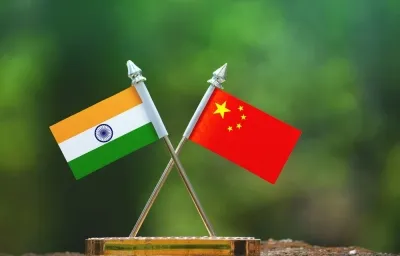
New Delhi, Feb 3 (NationPress) Prominent industry associations stated on Tuesday that the India-US trade agreement will significantly boost the global competitiveness of Indian products, while also driving manufacturing expansion, job creation, and the establishment of resilient supply chains.
The US has promptly lowered the reciprocal tariff on Indian goods from 25% to 18% and has eliminated an additional 25% tariff on purchases of Russian oil from India.
“The anticipated reduction of US-India tariffs to 18% represents a crucial advancement in the strategic economic alliance between India and the US,” remarked Rajiv Memani, President of CII.
This trade agreement underscores the mutual commitment of both nations to enhance trade, technology, and investment connections in a rapidly evolving global marketplace.
“The CII is eager to continue collaborating with business stakeholders in both countries to turn this momentum into substantial results for businesses and enduring economic growth,” Memani added.
PHDCCI President Rajeev Juneja pointed out that the tariff reductions demonstrate the United States' renewed dedication to trade openness and economic efficiency.
“Lower tariffs reduce input costs for local industries, fortify supply chains, and alleviate inflation by lowering prices for both businesses and consumers. This benefits key sectors such as manufacturing, technology, healthcare, and renewable energy by enhancing access to essential goods, capital equipment, and critical components,” he stated.
Remarkably, this strategy aligns with the cooperative spirit fostered by the strong personal relationship between Prime Minister Narendra Modi and US President Donald Trump, enhancing trust and predictability in bilateral trade, Juneja emphasized.
Dr. A Sakthivel, Chairman of AEPC, noted that this breakthrough is a timely and welcome development for the Indian apparel sector, which has been pressured by the high US tariff of 50%.
“The United States is our largest export market, and improved trade conditions will greatly enhance the competitiveness of Indian apparel products in the US. This initiative is expected to significantly bolster apparel exports, attract new investments throughout the value chain, and reinforce India’s role as a reliable global sourcing hub,” he mentioned.
Crucially, as the apparel sector is one of the largest employers, this positive shift will help secure existing jobs and create substantial new employment opportunities, particularly for women and the labor force in labor-intensive areas, Sakthivel added.
Point of View
The recent India-US trade deal represents a pivotal moment for India's economic landscape. The strategic reduction in tariffs signifies a commitment to fostering international trade relations, which will undoubtedly benefit various sectors. Sustained engagement between both nations is essential for translating this agreement into real economic growth and job opportunities for millions of Indians.
NationPress
22 Sept 2026
Frequently Asked Questions
What is the significance of the India-US trade deal?
The India-US trade deal is significant as it reduces tariffs on Indian goods, enhancing their global competitiveness and fostering growth in manufacturing and job creation.
How will the reduced tariffs impact Indian industries?
Lower tariffs will cut input costs, strengthen supply chains, and ease inflation, thereby benefiting key sectors like manufacturing, technology, and renewable energy.
What sectors stand to gain the most from this trade agreement?
Key sectors such as apparel, technology, healthcare, and renewable energy are expected to benefit significantly from the trade deal.
Who are the key political figures involved in this trade deal?
The trade deal has been shaped by strong relations between Prime Minister Narendra Modi and US President Donald Trump.
What are the expected outcomes of the trade agreement?
Expected outcomes include enhanced competitiveness of Indian products, increased exports, fresh investments, and substantial job creation.