How Does US Tariff Reduction Favor India Over China?
Synopsis
The recent reduction of US tariffs on India is a game-changer, placing India in a favorable position compared to China and other ASEAN peers. This strategic move is set to boost India's exports and economic sentiment significantly. Discover how this trade deal could reshape the landscape for various sectors in India.
Key Takeaways
US tariffs on India reduced from 25% to 18%.
India now at an advantage over China and ASEAN peers.
Major sectors like textiles and engineering goods set to benefit.
Expect further details with the upcoming bilateral trade agreement.
Fuel imports from Russia have significantly declined.
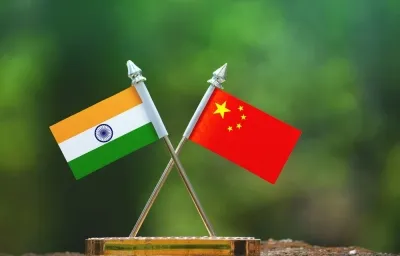
New Delhi, Feb 3 (NationPress) - The recent reduction of US tariffs on India positions India's tariff rate below that of many ASEAN nations, granting India a clear advantage over China, according to a report released on Tuesday.
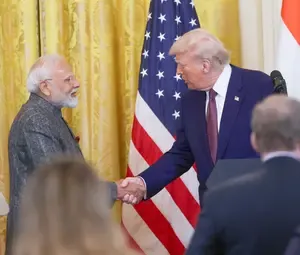
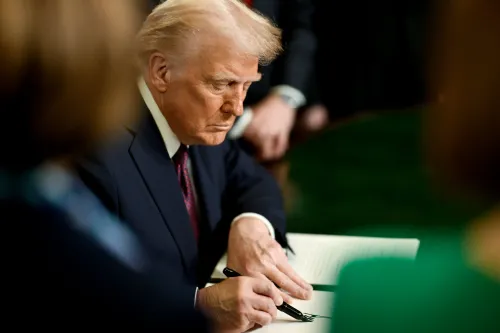
US President Donald Trump announced that a trade agreement has been reached between the US and India, which will see reciprocal tariffs on India decrease from 25 percent to 18 percent.
While there was no clear statement regarding the additional punitive tariff of 25 percent (attributed to Russian oil purchases), US Ambassador to India Sergia Gor indicated in press comments that the new tariff rate would be set at 18 percent (down from 50 percent), according to a report by DBS Bank.
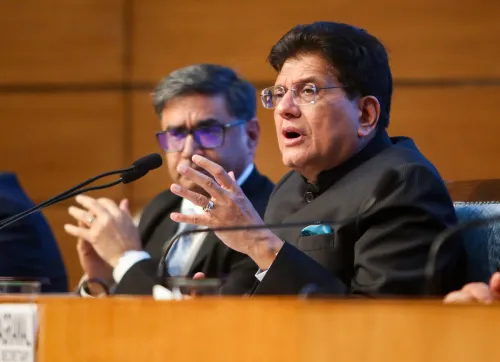
DBS Group Research's Senior Economist Radhika Rao stated, "Initially, this development is undoubtedly beneficial for the economy, exports, and market sentiments, even as we await more details."
She further explained, "Tariffs under Section 232 of the Trade Expansion Act will likely remain unaffected by this tariff reduction, similar to what applies to other nations. This exemption will impact sectors such as automotive, steel, aluminum, lumber, and copper, which could affect roughly 10 percent of the export portfolio."
Regarding fuel imports from Russia, India’s imports of petroleum and crude have decreased to $33 billion in FY26 (year to date) compared to $53.5 billion in FY25.
Earlier reports indicated that private sector refiners significantly cut back on purchases following US sanctions on certain Russian entities last year.
The US has transitioned from being the sixth largest supplier of petroleum and crude in FY25 to the fifth in FY26 YTD. Projections suggest that total fuel imports from the US will surpass those of FY25, according to the report.
Rao noted that sectors such as textiles, gems and jewelry, engineering goods, leather, and chemicals are expected to be the primary beneficiaries in the short term.
The anticipated announcement of the bilateral trade agreement will shed light on the specific product lines and commitments related to trade and investments, she concluded.
Point of View
It is imperative to acknowledge that India's tariff reduction in the context of US trade policy reflects a significant opportunity for economic growth and diversification. While the geopolitical landscape remains complex, India's proactive engagement in trade agreements is crucial for maintaining its competitive edge globally.
NationPress
20 Sept 2026
Frequently Asked Questions
What are the new tariff rates for India?
The US has reduced tariffs on India from 25% to 18%.
How does this affect India's position compared to China?
This reduction places India in a more favorable position relative to China, as India's tariffs are now lower than those of many ASEAN nations.
What sectors will benefit from the tariff reduction?
Key sectors expected to benefit include textiles, gems and jewelry, engineering goods, leather, and chemicals.
Will the additional punitive tariffs still apply?
There is uncertainty regarding the treatment of the additional punitive tariff of 25% due to Russian oil purchases, but the final tariff rate will be 18%.
How have fuel imports from Russia changed?
India’s petroleum and crude imports from Russia have decreased to $33 billion in FY26 compared to $53.5 billion in FY25.