Will US and India Keep Negotiating on Trade Barriers?
Synopsis
In an ongoing effort to strengthen bilateral trade, the US and India are set to continue negotiations on unresolved tariff and non-tariff barriers. The recent announcements highlight key commitments, including tariff reductions and increased purchases of US goods, showcasing a promising path towards a robust economic partnership.
Key Takeaways
US and India are committed to addressing unresolved trade barriers.
Significant tariff reductions will enhance bilateral trade.
India is set to purchase over $500 billion in US goods.
Digital trade agreements will eliminate harmful taxes.
Technology cooperation is a key focus for future growth.
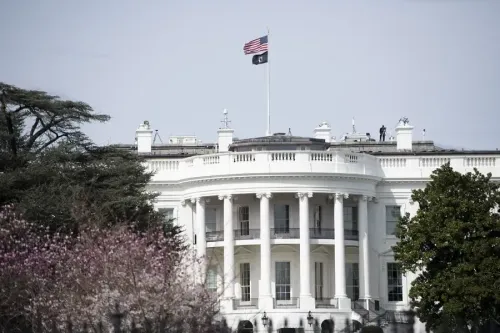
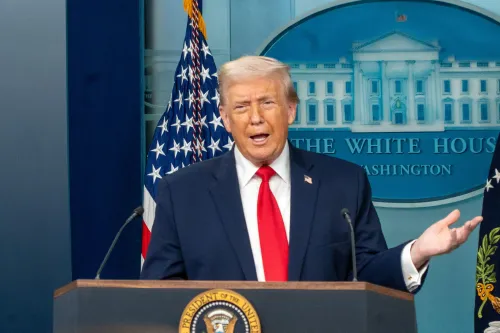
Washington, Feb 10 (NationPress) Following President Donald Trump’s announcement of a trade agreement with India, the White House conveyed that discussions will persist regarding outstanding tariff and non-tariff barriers. This comes alongside the release of a new fact sheet highlighting key elements of the agreement and a timeline for its execution.
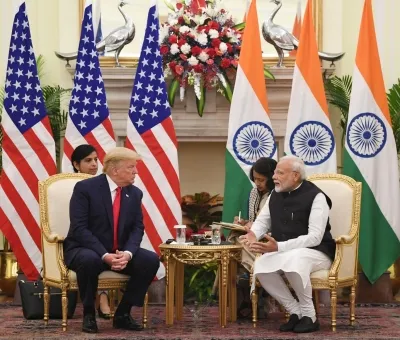
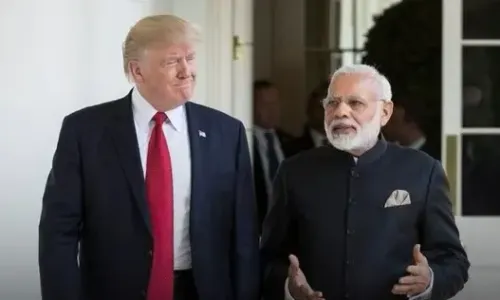
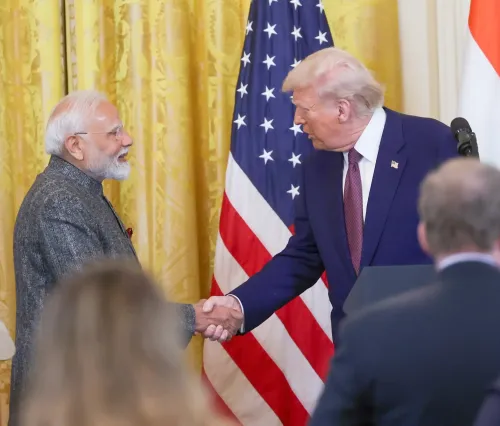
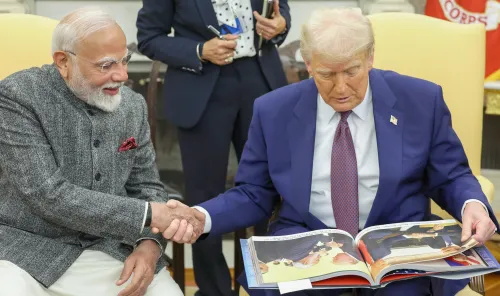
This fact sheet was released after a joint statement from Trump and Prime Minister Narendra Modi last Friday. During their conversation, both leaders concurred on a framework for an Interim Agreement aimed at reciprocal trade and reiterated their dedication to a more extensive US–India Bilateral Trade Agreement.
The White House indicated that the two nations will carry on negotiations to tackle unresolved tariff barriers, other non-tariff barriers, technical trade obstacles, customs facilitation, and effective regulatory practices.
Ongoing discussions will also cover trade remedies, services and investment, intellectual property, labor, environmental standards, government procurement, and unfair practices by state-owned enterprises, according to the fact sheet.
While negotiations are still underway on several sensitive topics, the document outlines immediate commitments already established under the interim framework.
Trump has agreed to eliminate an additional 25 percent tariff on imports from India. The White House noted that this decision underscores India’s promise to halt oil purchases from the Russian Federation. Last Friday, Trump signed an executive order to abolish the additional duty.
Moreover, the United States will reduce the Reciprocal Tariff on Indian goods from 25 percent to 18 percent, in light of India’s readiness to work with Washington on addressing systemic trade imbalances and shared national security concerns.
The fact sheet specifies India’s tariff commitments for US goods. India will either eliminate or decrease tariffs on all American industrial products as well as a wide array of US agricultural and food items.
These products include dried distillers’ grains, red sorghum, tree nuts, fresh and processed fruits, certain pulses, soybean oil, wine and spirits, among others.
India has also pledged to significantly increase its purchases from the United States. According to the document, New Delhi is set to acquire over $500 billion worth of US products, including energy, information and communication technology, agriculture, coal, and various other goods.
Regarding regulatory matters, India has agreed to tackle non-tariff barriers impacting bilateral trade in priority sectors. The two parties will negotiate rules of origin to ensure the benefits of the agreement primarily favor the United States and India.
Digital trade is another essential aspect. India will abolish its digital services taxes and is committed to formulating bilateral digital trade regulations. These regulations will address discriminatory practices and prohibit customs duties on electronic transmissions.
The United States and India have also resolved to enhance their economic security alignment to strengthen supply chain resilience and innovation. This includes collaborating to counter non-market policies from third parties and coordinating investment reviews and export controls.
Technology cooperation is a significant focus of the framework. The fact sheet states that the two nations will notably boost bilateral trade in technology products and expand joint technology initiatives.
The White House remarked that India has traditionally imposed some of the highest tariffs on US goods among major economies, averaging around 37 percent on agricultural products and exceeding 100 percent on specific automobiles. The document also referenced India’s previous use of protectionist non-tariff barriers.
This fact sheet follows Trump’s declaration on April 2, 2025, of a national emergency regarding the US goods trade deficit, which he attributed to a lack of reciprocity in bilateral trade relations.
Point of View
It is clear that both nations are committed to fostering a mutually beneficial economic relationship. The ongoing negotiations indicate a willingness to address longstanding trade issues, which could lead to substantial growth and cooperation in various sectors. As the situation develops, it will be interesting to see how these commitments unfold and impact international trade dynamics.
NationPress
27 Sept 2026
Frequently Asked Questions
What is the current status of US-India trade negotiations?
Negotiations are ongoing to resolve outstanding tariff and non-tariff barriers following a recent trade agreement announcement by President Trump.
What are the key features of the new trade deal?
The deal includes tariff reductions, commitments to increase purchases from the US, and cooperation on digital trade and technology.
How will this agreement impact US-India relations?
The agreement aims to strengthen bilateral ties by addressing trade imbalances and enhancing economic collaboration.
What products will see tariff reductions?
Tariffs on American industrial products and various agricultural goods will be eliminated or reduced by India.
What is the significance of the digital trade provisions?
The digital trade provisions aim to eliminate discriminatory practices and foster a more robust digital economy between the two countries.