NHRC directs all states to protect street vendors during Navratri, Diwali, Chhath Puja
Synopsis
The NHRC has stepped in ahead of Navratri, Diwali, and Chhath Puja with a nationally binding directive: no arbitrary evictions, no illegal seizures, and no harassment of street vendors, hawkers, potters, flower sellers, and small artisans. Chief Secretaries across all states and UTs must circulate and enforce the order — and file action reports by 18 October.
Key Takeaways
The NHRC has directed Chief Secretaries of all states and UTs to protect street vendors during Navratri, Diwali, and Chhath Puja .
Covered groups include hawkers, Kumhars, diya and murti sellers, malies, vegetable vendors, rangoli colour sellers , and other small artisans.
Local administrations are barred from arbitrary seizure of goods ; any action must follow due process and law.
Where relocation is unavoidable, authorities must provide suitable alternative vending spaces without affecting livelihoods.
Complaints of harassment, extortion, or coercion must be promptly examined by competent authorities.
States and UTs must submit Action Taken Reports (ATRs) in pending matters by 18 October .
The National Human Rights Commission (NHRC) has issued fresh directions to the Chief Secretaries of all states and union territories to ensure that street vendors, hawkers, traditional artisans, and small local traders are not unnecessarily displaced or prevented from earning their livelihoods during the upcoming festive season — covering Navratri, Diwali, and Chhath Puja in October–November 2025.
The Commission's intervention comes amid a pattern of complaints received in previous years about arbitrary removal of vendors, seizure of goods, and alleged harassment by local authorities during high-footfall festive periods.
Who Is Covered Under the Directions
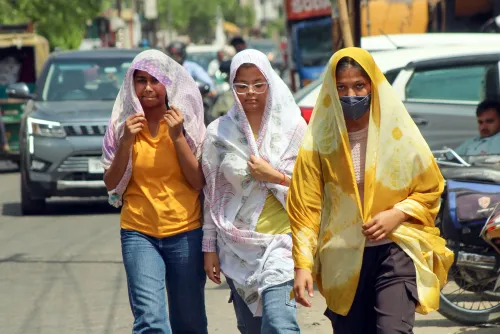
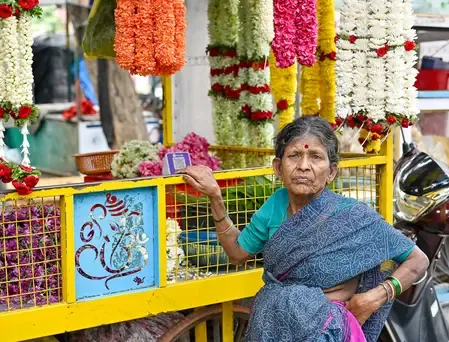
The NHRC directions cast a wide protective net. They cover street vendors, footpath traders, hawkers, Kumhars (traditional potters), local diya and murti makers and sellers, pottery sellers, small sweet vendors, malies (flower vendors), local vegetable sellers, rangoli colour sellers, and other similarly placed small artisans and traders. The Commission has made clear that these groups should not be displaced, removed, or otherwise prevented from carrying on their traditional trades during the festive period.
Key Protections Mandated
Local administrations have been directed to facilitate traditional trades, safeguard vendor livelihoods, and actively promote locally made products in line with the government's 'Vocal for Local' initiative. The Commission has specifically barred unnecessary or arbitrary seizure of goods and directed that any action against vendors must be taken strictly in accordance with law, with due regard to their right to livelihood.
Where relocation is unavoidable — due to emergency access requirements or genuine fire and public safety concerns — local authorities have been asked to provide suitable and accessible alternative vending spaces, as far as practicable, without adversely affecting the vendors' income.
Action Against Harassment and Extortion
The NHRC has separately flagged concerns over reported incidents of harassment, extortion, coercion, and undue interference faced by vendors at the hands of local officials. It has directed that any such complaint be promptly examined by the competent authority and appropriate action taken wherever warranted, in accordance with law.
Background and Implementation Timeline
The current directions follow a similar intervention by the Commission last year, when an NHRC bench headed by Priyank Kanoongo took cognisance of complaints regarding unnecessary removal of hawkers, imposition of fines, and alleged seizure of goods during the festive season. Finding that intervention was again needed in 2025, the Commission issued fresh, nationally applicable directions.
Chief Secretaries have been asked to ensure wide circulation and effective implementation of the directions across all District Magistrates, Municipal Commissioners, Commissioners and Superintendents of Police, and other concerned authorities throughout the festive period. All states and UTs have also been directed to submit additional or complete Action Taken Reports (ATRs) in pending matters by 18 October.
With the festive calendar approaching its peak, the effectiveness of the Commission's directions will depend on whether district-level administrations translate national-level human rights mandates into on-ground protection for India's most economically vulnerable informal workers.
Point of View
Yet they remain exposed to arbitrary eviction and extortion precisely during the weeks they earn most. The Commission is right to intervene, but directions alone — without enforceable penalties for non-compliant administrations — have historically produced paperwork more than protection. The ATR deadline of 18 October will test whether this cycle is different.
NationPress
5 Oct 2026
Frequently Asked Questions
What has the NHRC directed regarding street vendors this festive season?
The NHRC has directed Chief Secretaries of all states and union territories to ensure that street vendors, hawkers, traditional artisans, and small traders are not unnecessarily displaced or prevented from working during Navratri, Diwali, and Chhath Puja. The directions also prohibit arbitrary seizure of goods and mandate that any action against vendors follow due process.
Who is protected under the NHRC festive-season directions?
The directions cover a broad range of informal workers including street vendors, footpath traders, hawkers, Kumhars, diya and murti makers, pottery sellers, small sweet vendors, malies, local vegetable sellers, rangoli colour sellers, and other similarly placed small artisans and traders.
What happens if a vendor must be relocated due to safety concerns?
The NHRC has directed that where relocation is unavoidable due to emergency access, fire safety, or public safety requirements, local authorities must provide suitable and accessible alternative vending spaces as far as practicable, without adversely affecting the vendor's livelihood.
How does this year's NHRC order relate to last year's intervention?
The current directions follow a similar intervention last year, when an NHRC bench headed by Priyank Kanoongo took cognisance of complaints about arbitrary removal, fines, and harassment of vendors during the festive season. Finding the same problems persisting, the Commission issued fresh, nationally applicable directions this year.
What is the deadline for states to respond to the NHRC?
All states and union territories have been directed to submit additional or complete Action Taken Reports (ATRs) in pending matters by 18 October. Chief Secretaries must also ensure the directions are widely circulated among District Magistrates, Municipal Commissioners, and Police Commissioners throughout the festive period.