NHRC directs 22 states to act on heat waves, protect vulnerable groups
Synopsis
The NHRC has escalated India's heat wave crisis from a disaster management issue to a human rights one, directing 22 governments to act immediately. With NCRB data showing 3,712 heat-related deaths in five years — and actual numbers likely higher — the commission's move signals that inaction on extreme heat now carries constitutional accountability.
Key Takeaways
The NHRC directed Delhi and 21 state governments to implement heat wave relief measures for vulnerable populations on 28 April .
NCRB data shows 3,712 deaths due to heatstroke or sunstroke across India between 2019 and 2023 .
Most at risk: outdoor workers, homeless persons, elderly, children, infants, and newborns .
States must follow existing NDMA guidelines or SOPs and submit consolidated action taken reports through district authorities.
The NHRC framed heat wave preparedness as a constitutional rights issue, not merely a disaster management concern.
The National Human Rights Commission (NHRC) has directed the Delhi government and 21 state governments to take immediate, proactive measures to protect vulnerable populations from the escalating threat of heat waves across India. The communications, sent to the Chief Secretaries of all concerned states on 28 April, stress the urgent need for integrated and inclusive relief efforts to prevent casualties during extreme heat events.
States Covered Under the Directive
The NHRC's directive encompasses 21 states — Andhra Pradesh, Assam, Bihar, Chhattisgarh, Gujarat, Haryana, Himachal Pradesh, Jharkhand, Karnataka, Kerala, Madhya Pradesh, Maharashtra, Odisha, Punjab, Rajasthan, Sikkim, Tamil Nadu, Telangana, Tripura, Uttar Pradesh, and West Bengal — in addition to the Delhi government. Together, these jurisdictions cover a substantial share of India's population most exposed to seasonal heat stress.
Who Is Most at Risk
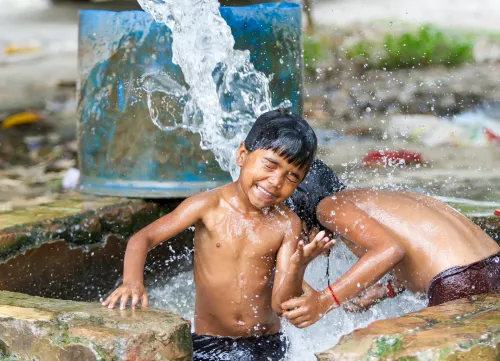
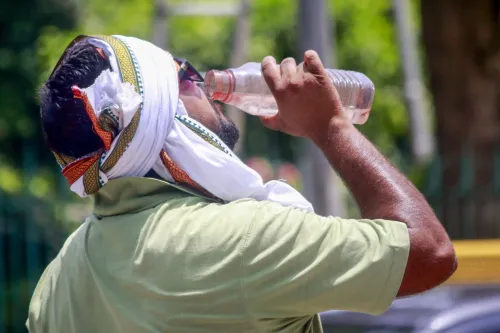
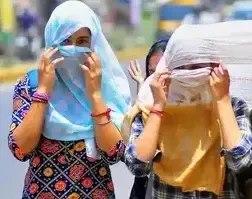
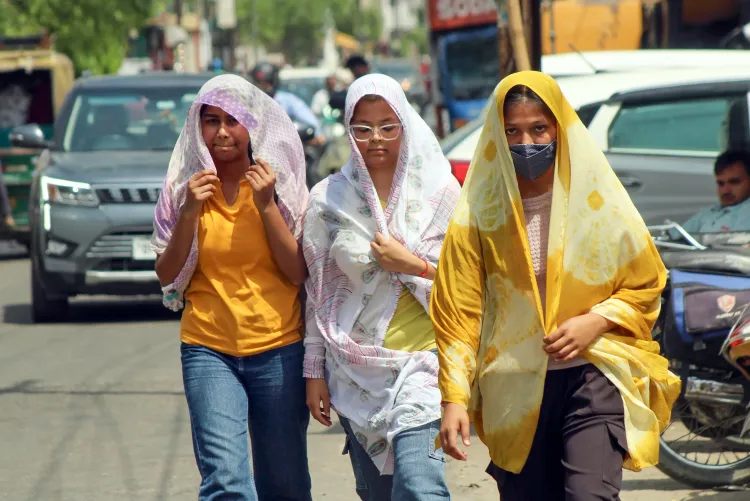
The NHRC observed that the increasing frequency, duration, and intensity of heat waves disproportionately affect marginalised and economically weaker sections, particularly outdoor workers and homeless persons who lack adequate shelter and resources. The commission further highlighted that the elderly, children, infants, and newborns face especially severe health consequences from prolonged exposure to extreme temperatures.
Beyond direct health impacts, the NHRC also noted that heat waves can result in loss of livelihoods and heighten the risk of fire-related incidents — second-order consequences that often go under-reported in official heat-mortality tallies.
The Scale of the Crisis: NCRB Data
Citing National Crime Records Bureau (NCRB) data, the NHRC recorded that 3,712 deaths due to heatstroke or sunstroke were reported across India between 2019 and 2023. This figure, spread across five years, points to a persistent and worsening public health challenge — one that climate scientists warn will intensify as average temperatures continue to rise. Notably, this count covers only officially recorded deaths; actual heat-related mortality is widely considered to be higher due to under-reporting at the district level.
What the NHRC Has Asked States to Do
The apex human rights body has urged state and Delhi governments to ensure implementation of relief measures in line with their existing Standard Operating Procedures (SOPs) or guidelines issued by the National Disaster Management Authority (NDMA). It has also sought consolidated action taken reports from district authorities, to be submitted through respective state and Union Territory administrations — a step that introduces a layer of accountability beyond mere advisory compliance.
Established under the Protection of Human Rights Act, 1993, the NHRC is an autonomous statutory body with the power to take suo motu action based on media reports or public knowledge, without requiring a formal complaint. Its intervention signals that heat wave preparedness is no longer being treated solely as a disaster management issue, but as a matter of constitutional rights — specifically the rights to life, liberty, equality, and dignity. How swiftly states translate this directive into on-ground action will determine its real-world impact ahead of what forecasters expect to be a severe summer season.
Point of View
Or whether this becomes another advisory lost in bureaucratic correspondence. With climate projections pointing to hotter and longer Indian summers, the gap between institutional response and ground-level protection for the homeless and outdoor poor remains the central, unresolved question.
NationPress
7 Oct 2026
Frequently Asked Questions
What has the NHRC directed regarding heat waves?
The NHRC has directed the Delhi government and 21 state governments to take proactive measures and implement relief efforts to protect vulnerable populations from heat waves. The commission sent communications to the Chief Secretaries of all concerned states on 28 April, urging compliance with existing NDMA guidelines or SOPs.
How many deaths due to heat waves have been recorded in India?
According to NCRB data cited by the NHRC, 3,712 deaths due to heatstroke or sunstroke were reported across India between 2019 and 2023. Actual heat-related mortality is widely considered to be higher due to under-reporting at the district level.
Which states are covered under the NHRC's heat wave directive?
The directive covers 21 states — Andhra Pradesh, Assam, Bihar, Chhattisgarh, Gujarat, Haryana, Himachal Pradesh, Jharkhand, Karnataka, Kerala, Madhya Pradesh, Maharashtra, Odisha, Punjab, Rajasthan, Sikkim, Tamil Nadu, Telangana, Tripura, Uttar Pradesh, and West Bengal — along with the Delhi government.
Who are the most vulnerable groups during heat waves according to the NHRC?
The NHRC identified outdoor workers, homeless persons, the elderly, children, infants, and newborns as the most vulnerable groups. These populations often lack adequate shelter, resources, or physiological resilience to withstand prolonged exposure to extreme temperatures.
What powers does the NHRC have to enforce this directive?
The NHRC, established under the Protection of Human Rights Act, 1993, can take suo motu action and has sought consolidated action taken reports from district authorities through state administrations. However, it functions primarily as a recommendatory body — enforcement ultimately depends on state compliance.