Heatwave Alert: Delhi CM Rekha Gupta Sets Zero Death Target by 2030
Synopsis
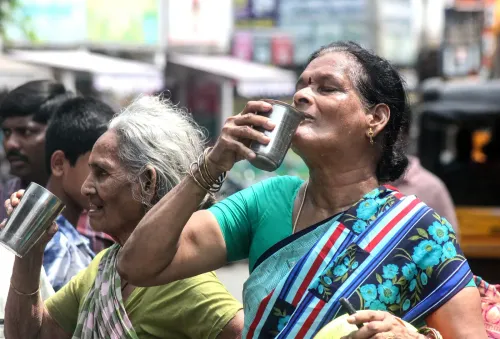
Delhi CM Rekha Gupta has set an ambitious target of zero heatwave deaths by 2030, activating the Heat Wave Action Plan 2026 with 339 health centres stocked, 30 hospitals with cool rooms, 330 ambulances on standby, and a school 'water bell' system — as Delhi recorded 43.7°C in 2025.
Key Takeaways
Delhi CM Rekha Gupta chaired a heatwave preparedness review on April 25, 2026 , issuing time-bound directives to all departments under the Heat Wave Action Plan 2026 .
The government has set an ambitious target of zero heatwave-related deaths by 2030 , with structured accountability across departments.
Over 339 health centres across Delhi are stocked with ORS and ice packs, and 30+ hospitals have dedicated 'cool rooms' for heatstroke patients.
A fleet of 330 ambulances is on standby, and 174 medical officers and ASHA workers have been trained for heat emergency response.
Schools have been directed to implement a 'water bell' system to ensure students drink water regularly and avoid dehydration.
The DDMA is coordinating the plan with 17+ knowledge partners , using IMD's colour-coded alert system for real-time monitoring and public dissemination.
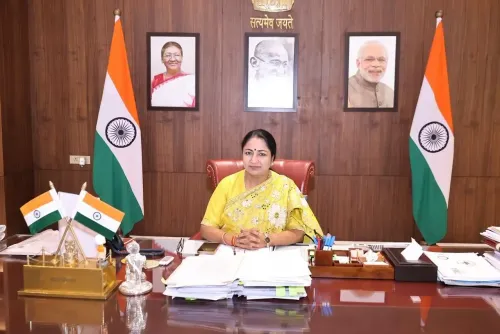
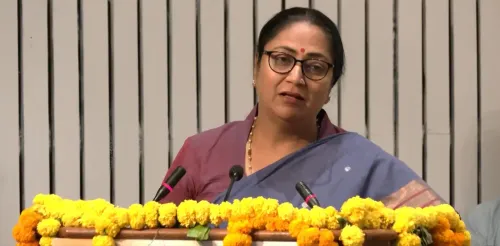
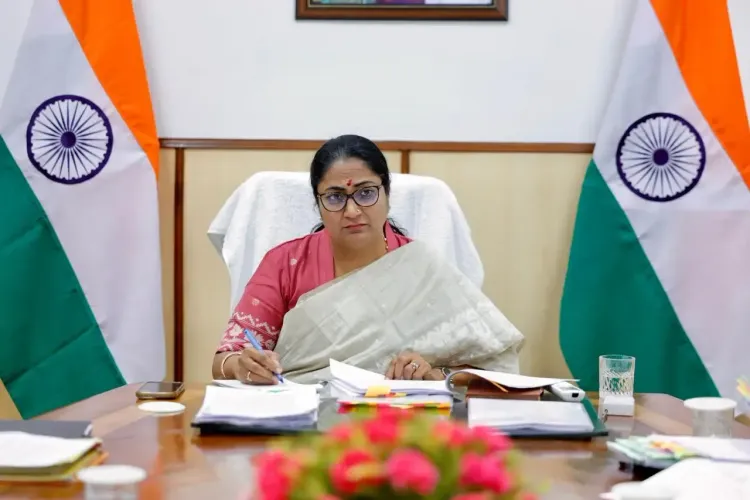
New Delhi, April 25 (NationPress) — Delhi Chief Minister Rekha Gupta on Friday, April 25, chaired a high-level review meeting to accelerate the city's preparedness under the Heat Wave Action Plan 2026, issuing strict time-bound directives to all departments. With the national capital recording extreme temperatures in recent summers, Gupta declared that the government's primary goal is to bring heatwave-related fatalities to zero by 2030. The meeting was attended by Chief Secretary Rajeev Verma and senior officials from all relevant departments.
Key Directives Issued by Chief Minister Gupta
CM Rekha Gupta ordered all hospitals across Delhi to ensure sufficient bed capacity dedicated to heat-related medical cases. She also mandated that every ambulance in the city be equipped with the necessary facilities to manage heat emergencies effectively.
On the health infrastructure front, more than 339 health centres across Delhi have already been stocked with ORS packets, ice packs, and related medical supplies. Over 30 hospitals now feature dedicated 'cool rooms' specifically designed for heatstroke management and patient recovery.
Additionally, 174 medical officers and ASHA workers have undergone specialised training to identify and treat heat-related illnesses. A fleet of 330 ambulances has been placed on standby to ensure rapid emergency response across the city.
Public Awareness and School-Level Interventions
The Chief Minister called for a comprehensive citywide awareness campaign to inform residents about preventive measures against heatwave risks. Schools have been specifically instructed to introduce a 'water bell' system — a scheduled reminder for students to drink water at regular intervals, directly targeting dehydration prevention among children.
CM Gupta further directed that clean drinking water be made available at hospitals, schools, construction sites, Atal canteens, police stations, post offices, and DTC bus stands across the city. She stressed that water tankers, water coolers, and water ATMs must operate without disruption throughout the summer season.
Arrangements for shade and drinking water for animals and birds were also specifically mentioned as a priority under the plan, reflecting the plan's broad ecological scope.
DDMA Coordination and Science-Based Framework
The Heat Wave Action Plan 2026 is being implemented through the Delhi Disaster Management Authority (DDMA), which is coordinating a multi-departmental response in collaboration with more than 17 knowledge partners, including NGOs and scientific institutions.
As part of the early warning mechanism, the India Meteorological Department's (IMD) colour-coded alert system — green, yellow, orange, and red — is being actively used for continuous temperature monitoring. Real-time alerts are being disseminated simultaneously to concerned government departments and the general public.
This structured approach marks a significant upgrade from reactive emergency responses of previous years, embedding predictive science into the city's disaster management framework.
Delhi's Alarming Temperature Records Driving Urgency
CM Gupta underscored the gravity of the situation by citing recent temperature data: Delhi recorded a peak of 43.7 degrees Celsius in 2025, and temperatures have remained above 40 degrees Celsius for nearly 40 consecutive days over the past two to three years. This trend, she noted, reflects a broader climate pattern that demands structured, long-term intervention rather than seasonal firefighting.
Notably, heatwave mortality has emerged as a serious public health crisis across India, with thousands of heat-related deaths recorded nationally in recent years. Delhi, as a densely populated urban heat island, faces disproportionately higher risks due to concrete infrastructure, low green cover in several zones, and high population density among daily wage workers and outdoor labourers who have the least access to cooling infrastructure.
Critics and urban planners have long argued that India's cities need to integrate heat-resilient urban design — including green corridors, reflective rooftops, and expanded public cooling centres — into long-term development plans, not just emergency response protocols. The Heat Wave Action Plan 2026 represents a step in that direction, though its effectiveness will ultimately depend on ground-level implementation and inter-departmental accountability.
With summer temperatures expected to peak in May and June 2026, all eyes will be on whether Delhi's preparedness framework translates into measurable reductions in heat-related illness and mortality this season.
Point of View
Ad-hoc responses that have historically characterised India's approach to extreme heat events — but the real test lies in last-mile delivery, particularly for the city's most vulnerable: construction workers, street vendors, and the urban poor who cannot afford to stay indoors. The 'zero deaths by 2030' target is politically bold, but without enforceable accountability mechanisms and transparent public data on heat mortality, it risks becoming another headline promise. What's encouraging is the integration of IMD's colour-coded alert system into real-time departmental coordination — a model other Indian cities should urgently replicate as climate change makes extreme heat the new normal.
NationPress
5 Oct 2026
Frequently Asked Questions
What is Delhi's Heat Wave Action Plan 2026?
The Heat Wave Action Plan 2026 is a comprehensive, science-based framework implemented by the Delhi government through the Delhi Disaster Management Authority (DDMA) to reduce heat-related illness and deaths across the city. It includes early warning systems, hospital preparedness, public awareness campaigns, and coordination with over 17 knowledge partners including NGOs.
What is Delhi CM Rekha Gupta's target for heatwave deaths?
Delhi Chief Minister Rekha Gupta has set a target of bringing heatwave-related deaths down to zero by 2030. She announced this goal during a high-level review meeting on April 25, 2026, where she issued time-bound directives to all government departments.
What facilities have Delhi hospitals set up for heatwave emergencies?
Over 30 hospitals in Delhi have set up dedicated 'cool rooms' for heatstroke management, while more than 339 health centres have been stocked with ORS, ice packs, and related supplies. Additionally, 330 ambulances have been kept on standby and 174 medical officers and ASHA workers have been trained for heat-related emergencies.
What is the 'water bell' system introduced in Delhi schools?
The 'water bell' is a scheduled reminder system introduced in Delhi schools to prompt students to drink water at regular intervals during the school day, aimed at preventing dehydration during peak summer heat. It was directed by CM Rekha Gupta as part of the Heat Wave Action Plan 2026.
What were Delhi's highest temperatures in recent years?
Delhi recorded a peak temperature of 43.7 degrees Celsius in 2025, and temperatures have remained above 40 degrees Celsius for nearly 40 consecutive days over the past two to three years. These unprecedented highs have driven the government to implement a more structured and proactive heatwave response framework.